
Protecting Your Passion: Why Brass Players Prefer Durable, Custom Leather Trumpet Cases
Leather trumpet cases combine time-tested materials with purpose-built construction to protect valuable brass instruments during practice, travel, and performance. This article explains why brass players—students, orchestra members, and touring professionals—choose leather gig bags and cases by examining material properties, protective engineering, customization options, maintenance, and the long-term value of a handcrafted case. You will learn how genuine leathers absorb shock, resist abrasion and moisture, and develop a patina that enhances both protection and aesthetic appeal, plus practical guidance on care and selection. The sections that follow break down core protective features, customization choices that improve fit and usability, the best premium leathers and linings for trumpet protection, ergonomic design and storage, lifecycle value and sustainability, step-by-step maintenance, and real-world musician perspectives. By the end you’ll have an actionable checklist for choosing or commissioning a leather trumpet case that balances durability, style, and long-term instrument care.
What Makes Leather Trumpet Cases the Top Choice for Brass Players?
Leather trumpet cases are prized because genuine leather offers a blend of impact diffusion, abrasion resistance, and controlled breathability that protects brass finishes while remaining repairable and visually enduring. The combination of material science and construction—padded interiors, reinforced bell compartments, quality hardware and tight stitching—creates a protective system that prevents dents, scratches and moisture migration. Compared with rigid plastic shells or thin synthetic gig bags, leather balances weight, tactile repairability, and the ability to develop a useful patina rather than cracking under stress. The following quick list highlights the primary practical advantages many brass players cite.
Leather trumpet cases deliver clear protective and practical benefits:
- Durability: High-quality leather resists abrasion and stands up to repeated handling.
- Impact diffusion: Leather and padding together reduce transmitted shock more evenly than rigid shells.
- Moisture mitigation: Natural breathability helps buffer humidity swings that can harm brass finishes.
- Repairability: Hand-stitched seams and replaceable hardware make field repairs feasible.
This mapping table clarifies how each protective element functions and what it defends against.
| Protective Feature | How It Works | Protects Against |
|---|---|---|
| Padded interior | Foam or textile layers absorb and disperse kinetic energy | Dents, deformation, valve misalignment |
| Reinforced bell compartment | Structured walls and shaped inserts cradle the bell | Bell impact and crushing |
| Quality closures (zippers/latches) | Secure fastening prevents accidental opening | Instrument loss or jostling during transit |
| Mid-bag suspension | Instrument suspended away from outer shell | Direct shocks from drops or baggage handling |
This table underscores that protection is a system of materials and construction choices rather than a single attribute. Understanding those layers leads naturally into how custom options tailor protection to instrument shape and player needs.
For musicians and retailers evaluating suppliers, looking for consistent reinforcement details, robust padding and durable hardware is essential; manufacturers who combine these features with artisanal assembly deliver the most reliable protection. In practice, partnering with a producer that emphasizes premium materials and reinforced construction helps importers and premium consumers get consistent protective performance.
How Does Genuine Leather Provide Superior Protection for Trumpets?
Genuine leather provides superior protection for trumpets because its tensile strength and flexible grain layer absorb and diffuse energy from impacts while resisting surface abrasion. Leather’s fibrous structure cushions minor knocks by deforming slightly and returning to shape, which reduces peak forces transmitted to delicate valve casings and lacquer. Additionally, many premium leathers have surface treatments that add water resistance without eliminating breathability, helping stabilize humidity near the instrument finish. Recognizing leather as an active protective layer leads into why long-term durability is a financially prudent choice for players and institutions.
Leather’s physical behavior under stress explains its protection benefits, and those benefits inform decisions about construction standards and maintenance schedules.
Why Is Durability Essential in a Premium Trumpet Case?
Durability matters because a trumpet is both a precision instrument and a financial investment, and a durable case limits repair costs, prevents performance-disrupting damage, and preserves resale value. A well-made leather case reduces the frequency of replacements and the risk of transportation-related failures, making lifecycle cost lower than repeatedly replacing inferior carriers. For students, durability reduces downtime and instrument damage during commutes and lessons; for touring professionals, it prevents costly repairs mid-tour. This practical value ties directly into how customization and hand-stitched construction further reinforce longevity.
Understanding durability’s role sets the stage for examining the specific protective features builders include to achieve that longevity.
What Are the Key Protective Features of Leather Trumpet Cases?
Key protective features combine internal support systems and exterior durability elements to safeguard both form and finish: structured padding, molded bell supports, soft sheepskin or microfibre linings, shock-absorbing base panels, and premium closure hardware. Each feature addresses a distinct risk—pad thickness and density determine shock absorption, while shaped bell compartments prevent lateral movement that causes dents. Durable external leather and heavy-duty stitching protect against abrasion and seam failure during heavy use, and hardware like quality zippers or brass fasteners ensures the case stays closed when it matters. Considering these components together helps musicians prioritize which features matter most for their use case.
These protective design choices naturally connect to the value-added role of customization, which adapts the protective system to specific instruments and player preferences.
How Does Customization Enhance the Value of Leather Trumpet Gig Bags?
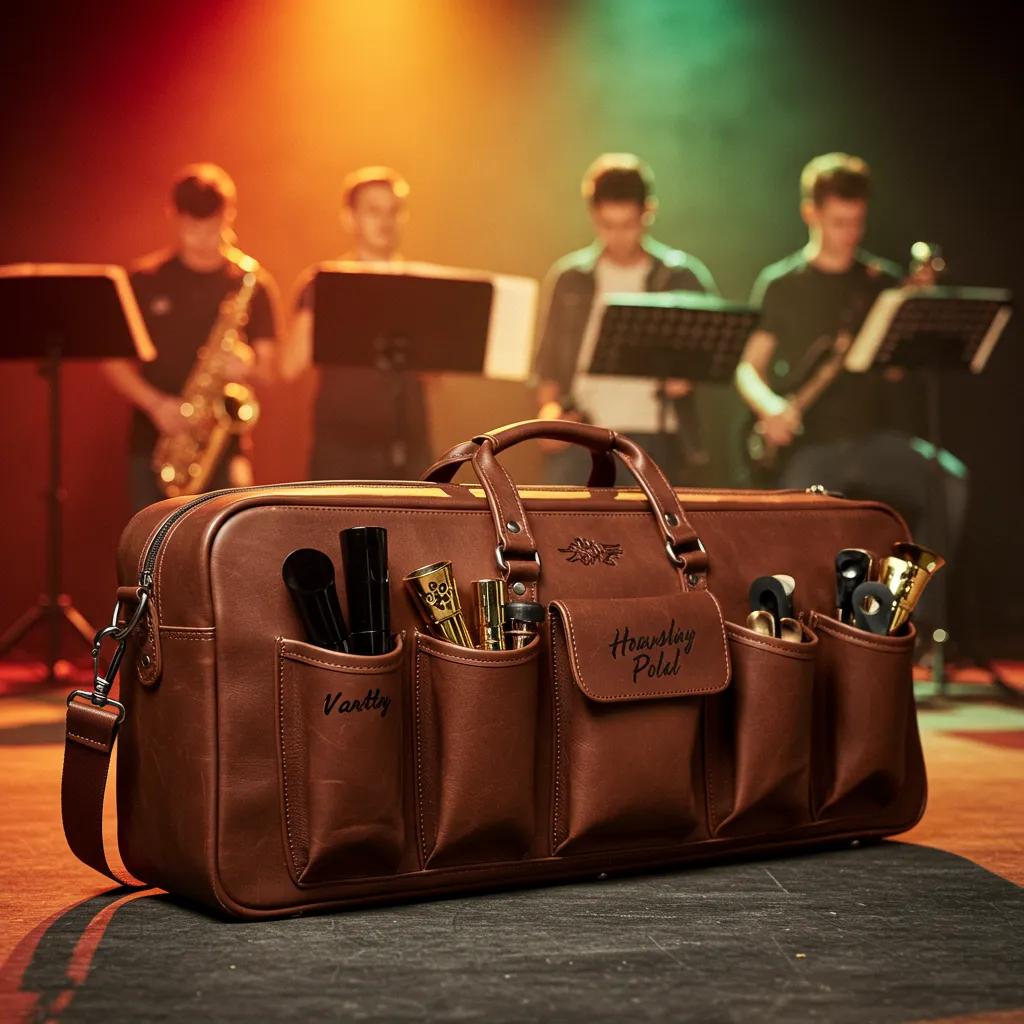
Customization transforms a standard case into a tailored protective system by aligning internal shaping, padding density, and exterior features with the instrument model and player routine. Precise interior fittings prevent movement, bespoke pocket layouts accommodate mutes and mouthpieces, and strap configurations improve carry comfort for different users. A short list below shows common customizations and the practical benefit each delivers, useful for both private buyers and retailers ordering bulk variants.
- Bespoke interior shaping: Ensures no unnecessary movement for a specific trumpet model.
- Custom pocket layouts: Allows on-stage access to mutes, valve oil, and tools without opening the main compartment.
- Adjustable strap systems: Adapts to soloists, students, or touring artists for comfort and load distribution.
- Embossing or color choices: Provides branding or gifting differentiation for retailers and private clients.
These options are not merely aesthetic: they change how the instrument is secured and how the user interacts with the case, which leads directly into the craft practices that deliver reliable customization.
What Custom Options Are Available for Leather Trumpet Cases?
Custom options typically include leather type selection, interior lining choices, pocket and divider arrangements, strap and handle configurations, and personalization such as embossing or custom hardware. Material choice affects weight and patina, lining selection influences cushioning and humidity buffering, and accessory layout determines stage efficiency for the player. For importers and retailers, offering SKU variants—basic, performance, and deluxe—streamlines inventory while still meeting diverse customer needs. Clear specification drawings and sample approvals are recommended before production to ensure the bespoke fit and function meet expectations.
Specifying options carefully reduces rework and increases end-user satisfaction, and this artisan-level control depends on craftsmanship methods like hand-stitching.
How Does Hand-Stitched Craftsmanship Impact Quality and Style?
Hand-stitched craftsmanship increases seam strength at high-stress points and allows for precise tension control, which prevents splitting and enhances the case’s visual finish. Skilled stitching creates durable joins that tolerate repeated flexing during carrying and loading, and it also simplifies repairs by local leatherworkers if wear occurs. Artisanal handwork supports customization because stitch patterns, thread type and joining methods can be adjusted for reinforcement or decorative effect. Knowing how hand-stitching contributes to both durability and aesthetics helps buyers appreciate the difference between mass-produced and bespoke leather cases.
The artisanal process described leads to feasibility for tailoring cases to related brass instruments, a logical next consideration.
Can Leather Cases Be Tailored for Other Brass Instruments Like Flugelhorns and Cornets?
Yes—leather cases can be tailored by reshaping internal supports, adjusting padding geometry, and altering compartment dimensions to suit flugelhorns, cornets, or piccolo trumpets. Flugelhorns often need deeper, more rounded bell cavities and softer cushioning to protect their broader bell flare, while cornets require shorter, tighter leadpipe support. Bespoke interiors reduce instrument movement and prevent contact damage during transport. For resellers, offering instrument-specific interiors as configurable SKUs enables a single exterior shell design to serve multiple instrument types efficiently.
Understanding which leathers perform best for these tailored applications follows naturally, as material choice affects both forming and protection.
Which Premium Leathers Are Best for Trumpet Cases and Why?
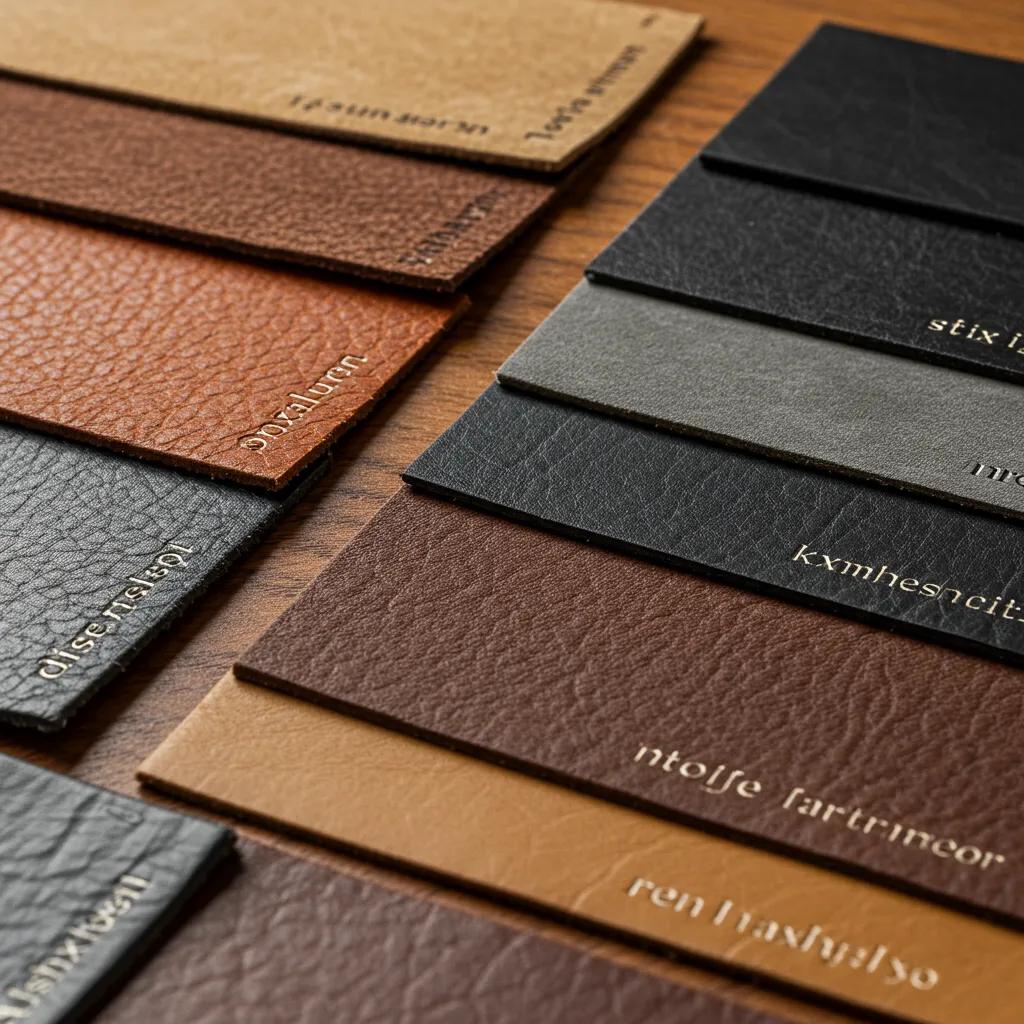
Selecting the right leather type balances abrasion resistance, flexibility for shaping, water resistance, and the desired aesthetic patina. Different premium leathers suit different use cases—some prioritize rugged protection for touring, others provide a supple finish for a vintage aesthetic—so a concise comparative approach helps buyers match leather to need. The table below compares common premium options and their protective benefits for brass instruments.
| Leather Type | Key Property | Benefit for Trumpet Protection |
|---|---|---|
| Crazy Horse | Oiled, wax finish with surface resilience | Resists scratches and develops durable patina with light maintenance |
| Detroit | Textured, flexible hide | Conforms well to custom shapes and supports detailed stitching |
| Flotar | Smooth, slightly treated aniline | Offers even surface and moderate water resistance for stage use |
| Water Buffalo | Dense, high-abrasion hide | Superior abrasion resistance for rugged travel conditions |
| Sheepskin lining | Soft, insulating fleece | Cushions finish and moderates local humidity to protect lacquer |
This table clarifies how material choice maps to practical protection and care expectations. Selecting a leather should reflect the musician’s travel habits and desired aesthetic.
When discussing supplier capabilities, it’s useful to note that manufacturers who list Crazy Horse, Detroit, Flotar, water buffalo exteriors and sheepskin linings provide the material range most professionals request. Such a range supports both touring-grade protection and classic vintage styling without sacrificing construction quality.
What Are the Benefits of Crazy Horse Leather for Trumpet Protection?
Crazy Horse leather, treated with oils and waxes, offers a rugged finish that hides small scuffs and develops a pleasing patina that actually signals use rather than failure. Its surface treatment repels light moisture and reduces the visibility of travel wear, making it a practical choice for musicians who value a lived-in look without constant touch-ups. The finish also resists superficial abrasions that can mar brass lacquer during loading. Understanding Crazy Horse’s balance of protection and patina helps buyers choose a leather that improves with age rather than showing damage.
This naturally leads to how other leathers like Detroit provide different tactile and forming advantages.
How Does Detroit Leather Offer Unique Texture and Flexibility?
Detroit leather delivers a textured, supple feel with enough flexibility to be formed precisely around custom interior shaping and seams, which benefits cases requiring tight, supportive fits. Its grain accepts detailed stitching and allows artisans to craft clean edges and reinforced joins that aid longevity. The tactile surface suits musicians who want both a comfortable hand-feel and a durable exterior for everyday handling. Recognizing this flexibility clarifies why Detroit-type hides are preferred when bespoke internal shaping is critical.
Choosing water buffalo exteriors or soft linings then addresses extreme durability or interior cushioning needs respectively.
Why Choose Water Buffalo or Sheepskin Lining for Enhanced Durability?
Water buffalo hides are dense and highly abrasion-resistant, making them ideal for exterior panels that face frequent contact with rough surfaces or heavy handling. In contrast, sheepskin linings serve the interior function of soft cushioning and humidity buffering, preventing lacquer damage and condensate-related corrosion on brass surfaces. Paired together, a tough exterior and plush lining form a complementary protection strategy: the exterior resists external wear while the interior preserves delicate finishes. These material pairings inform maintenance choices and expected product lifecycles for demanding users.
Material selection and maintenance guidance together determine how long a case will preserve both instrument and aesthetics, which brings us to design considerations that balance style and practicality.
How Do Leather Trumpet Cases Combine Style and Practicality for Musicians?
Leather trumpet cases merge classic aesthetics with user-focused design elements—vintage finishes and brass hardware for stage presence, alongside modern ergonomics like backpack straps and accessory pockets for daily usability. Designers must balance weight, handle placement and pocket layout to meet varied musician profiles from conservatory students to touring professionals. The table below lays out common design elements, user benefits and practical use cases to aid selection or specification for custom orders.
| Design Element | User Benefit | Use Case/Example |
|---|---|---|
| Distressed/vintage finish | Stage-ready aesthetic with character | Jazz soloist seeking visual presence on stage |
| Adjustable backpack straps | Improved weight distribution and hands-free travel | Student commuting across campus |
| Dedicated accessory pockets | Quick access to mutes and oils without opening main compartment | Orchestral musician during short stage breaks |
| Removable dividers | Flexible interior use across instruments | Multi-instrument teachers and rental shops |
This comparison helps musicians choose a case that looks the part while functioning efficiently for their routine, and it sets the stage for specifics about which vintage touches and ergonomic choices resonate with different player types.
What Vintage and Classic Styles Appeal to Brass Players?
Vintage and classic styles—distressed leather, contrast stitching, brass-toned hardware—appeal to players who value stage presence and a sense of tradition, such as jazz soloists and orchestral principals. These finishes age attractively and often hide minor wear, making them practical for performers who travel frequently. Color and trim choices can also be used to coordinate with uniforms or personal branding, giving musicians a visual identity on stage. Style choices therefore become an extension of professional image as well as a practical strategy for hiding wear.
The visual choices then prompt ergonomic considerations, since a beautiful case must also be comfortable to carry between gigs.
How Do Ergonomic Designs Improve Portability and Comfort?
Ergonomic features like well-placed handles, padded shoulder straps or convertible backpack systems distribute load and reduce fatigue during long moves between venues. Proper weight distribution helps prevent instrument slippage and reduces strain that can lead to accidental drops—critical for students and touring professionals alike. Handle placement and strap padding choices depend on how the musician travels—airline hand-carry, urban transit, or foot traffic between rehearsal spaces. Ergonomics thus directly affect instrument safety by reducing the human-errors that cause damage.
Comfortable carrying solutions also affect how musicians organize and access accessories, which is explored next.
What Smart Storage Features Help Organize Trumpet Accessories?
Smart storage features include padded pocketing for mutes and mouthpieces, ventilated compartments to prevent trapped moisture, and removable organizers that adapt to different gigs or lessons. Well-designed pockets reduce rattling and contact damage while allowing quick access during performance changes. Removable organizers let teachers and rental shops adapt layouts for various user needs without changing the outer shell. Such storage strategies improve on-stage efficiency and protect small accessories from becoming sources of inside-case abrasion.
Organizing accessories and choosing appropriate storage goes hand-in-hand with understanding long-term value and lifecycle advantages of investing in leather gear.
Why Is Investing in a Leather Trumpet Case a Smart Long-Term Choice?
Investing in a high-quality leather trumpet case pays off through reduced replacement frequency, preserved instrument finishes, and aesthetic appreciation as leather develops patina that often increases the case’s perceived value. Over time, a durable, repairable leather case lowers total cost of ownership compared with repeatedly buying cheap replacements that offer inferior protection. Sustainability arguments emphasize longevity: durable goods reduce waste versus disposable alternatives, while buyers who ask about sourcing and tanning can further align choices with environmental priorities. Evaluating long-term value also includes resale prospects and maintenance commitments.
The next subsections explore patina development, resale dynamics, and sustainability considerations that together define lifecycle value for players and buyers.
How Does Leather Develop a Rich Patina Over Time?
Leather develops patina through the gradual migration of oils, handling, and exposure to light, which subtly alters color and surface sheen and often enhances the material’s aesthetic character. Controlled care—regular conditioning and avoiding harsh cleaners—encourages an even, attractive patina rather than drying or cracking. Musicians who prefer a uniform stage-ready look can accelerate an even finish with occasional conditioning, while those who favor a rugged vintage look may allow more natural wear. Understanding patina mechanics helps owners manage appearance without sacrificing protective performance.
Patina considerations then tie into resale value, which depends on condition and provenance.
What Is the Resale Value of High-Quality Leather Trumpet Cases?
High-quality, hand-stitched leather cases tend to retain more resale value than mass-market alternatives because buyers value craftsmanship, original condition, and material quality. Factors that raise resale interest include well-documented provenance, bespoke features, and maintained condition without structural damage. Simple preservation steps—keeping hardware functional, addressing seam issues promptly, and using proper storage—help protect resale value for collectors, students upgrading instruments, or institutions replacing fleet cases. This resale perspective supports the case for investing in a premium, repairable leather carrier.
Beyond resale, sustainability considerations influence purchasing decisions for eco-aware buyers and institutional procurement.
How Does Choosing Genuine Leather Support Sustainability?
Choosing genuine leather supports sustainability primarily through longevity: durable items reduce turnover and waste compared with disposable carriers, and repairable construction extends useful life. Responsible buyers should inquire about tanning methods and traceability—vegetable tanning or reclaimed-leather programs can reduce environmental impact compared with conventional practices. Ultimately, specifying long-lived materials and repairable construction often yields a lower lifetime environmental cost than repeatedly replacing lower-quality alternatives, making durability a sustainable purchasing strategy.
Sustainability and longevity considerations naturally lead into the care routines that keep leather cases functional for years.
How Should Musicians Care for and Maintain Their Leather Trumpet Cases?
Proper care routines preserve leather suppleness, structural integrity, and the cushioning that protects an instrument’s finish, and they should be tailored to the leather type and usage frequency. Basic maintenance includes regular dusting, spot cleaning with pH-neutral products, periodic conditioning, and appropriate storage with desiccants in humid climates. The checklist below organizes care tasks by frequency so musicians can maintain protection without overdoing treatments that alter patina or finish.
- Weekly: Wipe exterior with a soft, dry cloth and inspect seams and hardware for loose threads or corrosion.
- Monthly: Spot-clean soiling with a damp, pH-neutral leather cleaner and allow to air-dry away from direct heat.
- Semi-annually: Condition leather sparingly with a manufacturer-recommended balm to restore oils and suppleness.
- Annual: Review structural elements—replace worn padding, repair loose stitching—and evaluate lining condition.
Following a basic timeline keeps the case protective and supports healthy patina development without over-conditioning, which would invite softening or color change.
What Are the Best Practices for Cleaning Different Leather Types?
Different leathers require tailored cleaning: oiled finishes like Crazy Horse tolerate gentle surface cleaning and infrequent conditioning, while smooth aniline leathers may need more careful pH-neutral cleaners and lighter conditioning to preserve the finish. Always spot-test products in an inconspicuous area before full application and avoid alcohol-based cleaners that strip natural oils. For linings such as sheepskin, use soft brushes and, if needed, specialized wool cleaners to remove debris without compressing the pile. Choosing the right cleaning approach preserves both protection and appearance.
These cleaning practices lead directly into storage and moisture-control strategies that prevent mold and corrosion.
How Can Moisture and Dust Be Prevented in Leather Cases?
Prevent moisture and dust by storing the case in a cool, dry location away from direct sunlight, using breathable dust covers rather than sealed plastic, and placing silica gel desiccants inside for long-term storage in humid climates. Avoid leaving wet instruments in a closed case; instead, dry both instrument and interior before stowing. Regular airing and occasional lining inspections prevent mold development, and ventilated storage prevents trapped condensation that can corrode brass. Simple storage habits therefore preserve both the instrument and the leather carrier.
Preventive care ties into knowing when to condition or repair, which is the final maintenance consideration.
When Should Leather Trumpet Cases Be Conditioned or Repaired?
Condition leather when it begins to feel dry or loses pliancy—typically semi-annually for regular users and less for occasional users—and apply small amounts of manufacturer-recommended conditioner rather than heavy waxes that alter surface texture. Repair visible damage promptly: loose stitching, compressed padding, or failing hardware should be addressed before defects propagate and compromise protection. For significant repairs or restoration, consult a professional leatherworker who understands instrument-case specifics to preserve fit and function. Timely intervention preserves both protection and long-term value.
Routine care and repair practices underpin professional players’ trust in leather cases, which is reflected in user feedback and priorities.
What Do Professional Brass Players Say About Their Leather Trumpet Cases?
Professional brass players consistently value three attributes: a secure, instrument-specific fit; reliable protection during travel; and comfortable, ergonomic carry systems that reduce fatigue. Professionals often describe hand-stitched cases as easier to repair and more dependable during long tours, and they tend to prefer materials that balance ruggedness with a refined appearance. The short ranked list below summarizes the features professionals most frequently cite when recommending leather cases.
- Secure internal fit: Prevents movement and reduces risk of dents.
- Quality padding and suspension: Absorbs shocks from handling and transit.
- Comfortable carry systems: Reduces strain during frequent travel.
Which Features Do Musicians Value Most in Leather Cases?
Musicians most often rank secure internal fit, robust padding, durable closures, and comfortable straps as the key features that make a case trustworthy for stage and travel. Secure fit prevents instrument movement that causes internal knocks; padding density and suspension systems absorb shocks; and hardware quality ensures that closures and attachments do not fail mid-transport. These features together reduce the likelihood of instrument damage and lost performance time. Prioritizing those elements when choosing a case aligns purchase decisions with practical touring and rehearsal needs.
How Have Custom Leather Cases Enhanced Musicians’ Travel and Performance?
Custom leather cases address specific travel challenges—reducing instrument movement during flights, providing rapid access to accessories during quick stage changes, and presenting a professional stage appearance that supports artist branding. Musicians report fewer mid-tour repairs when using cases with bespoke interior fits and reinforced stress points, and they appreciate layouts that minimize time spent searching for mutes or spare mouthpieces. These performance-oriented benefits translate into tangible time savings and reduced anxiety during touring seasons. Real-world improvements in handling and access therefore justify the incremental cost for many professionals.
What Are the Top Reasons Musicians Recommend Pakistan Leather Cases?
Musicians who recommend Pakistan Leather cases highlight hand-stitched craftsmanship, a wide selection of premium leather and lining options, and the ability to produce bespoke fittings that match specific instrument models and use cases. The manufacturer’s emphasis on artisanal assembly and customization aligns with professional priorities for fit, protection and repairability, and the availability of varied leathers and linings supports both rugged touring needs and vintage aesthetics. For buyers—retailers or individual professionals—these supplier capabilities simplify specification of functional, long-lasting cases without sacrificing classic style.
For those considering custom or bulk orders, Pakistan Leather’s artisanal, export-ready capabilities present a practical option to explore; interested buyers can reach out to inquire about bespoke specifications, sample approvals, or bulk export inquiries via the company’s official channels.


