
Advantages of Leather for Riding
Why Leather Is the Best Choice for Riding: Protection, Durability, and Lasting Value
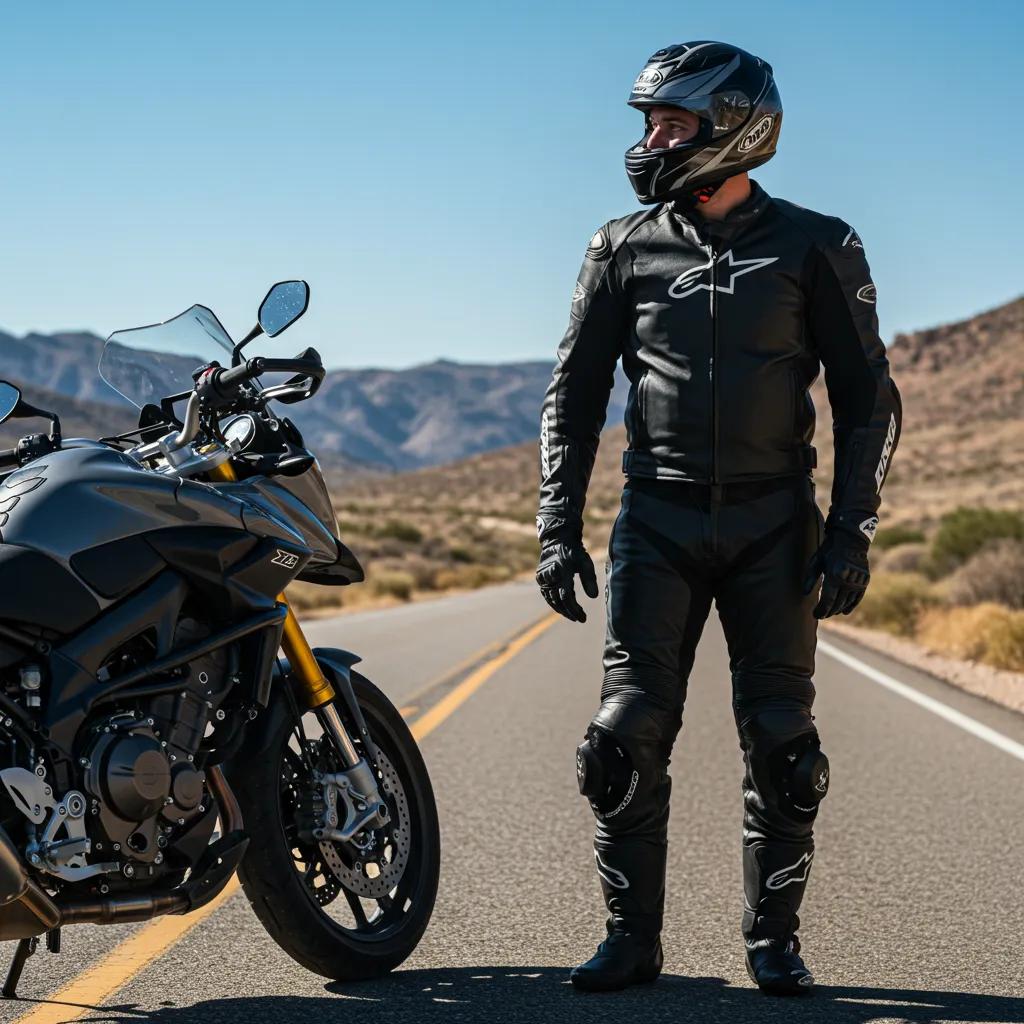
Leather motorcycle gear brings together material science and practical design to give riders reliable protection, long service life, and classic style. This guide explains how leather’s physical traits — high abrasion resistance, strong tensile strength, and structural stability — translate into real-world safety, lower injury risk, and a better cost-per-year than many textile alternatives. You’ll learn how leather resists sliding abrasion, spreads impact energy, and how construction and care keep those properties working. We also cover the best leather types and design details for different riders, inspection cues for retirement, and maintenance routines that balance ventilation with protection. Each H2 answers a focused question and H3s add practical detail and specifications for riders, manufacturers, and wholesale buyers. Key terms like abrasion resistance, impact protection, full-grain leather motorcycle jacket, and CE armor compatible leather are used throughout to support both understanding and product selection.
What Are the Key Benefits of Leather Motorcycle Gear?
Leather motorcycle gear protects riders through a mix of strong materials and thoughtful construction. Its dense fiber network and grain slow surface friction; correct hide thickness and reinforced seams delay tearing. Together, these features reduce the severity of road rash and help keep armor where it should be during a slide. Beyond crash protection, leather’s longevity cuts lifetime cost and keeps fit and appearance with routine care — practical advantages for commuters and sport riders alike. Below we explain abrasion mechanics and compare leather to common textile options so you can pick gear that fits your riding profile.
Leather’s abrasion resistance comes from its grain and collagen-fiber structure, which forms a tough outer surface that resists friction and tearing in sliding incidents. Full-grain hides keep the natural grain layer and so retain tensile strength and the best wear characteristics; thicker cowhide or buffalo leathers raise the time-to-failure under abrasion. Proper construction — triple stitching, bound seams, and overlay patches — helps prevent seam rupture and local failures that expose skin. Knowing these mechanics helps you choose hides and construction specs that improve real-world rider outcomes at both low and high speeds.
Many riders prefer leather over textiles because it combines abrasion and tear resistance with predictable aging when properly maintained. Textiles such as Cordura and Kevlar blends can offer better ventilation or puncture resistance in some cases, but they often need layered systems or reinforcement panels to match a full-grain leather’s slide life. For riders who prioritize slide protection and long-term cost, leather jackets and pants often strike the best balance of durability, armor retention, and lasting appearance. Understanding these trade-offs helps when selecting hybrid or textile garments where weight, ventilation, or specific certifications matter.
Different hides and construction methods bring clear differences in protection:
| Leather Type / Construction | Key Protective Attribute | Typical Benefit |
|---|---|---|
| Full-grain cowhide | Abrasion & tear resistance | Longest time-to-failure during slides |
| Buffalo leather | Thickness & toughness | Excellent impact dispersion and durable wear |
| Top-grain / corrected grain | Consistency & finish | Smoother look with slightly lower abrasion life |
| Reinforced seams & overlays | Structural integrity | Prevents seam failure and keeps armor in place |
This comparison shows how the right hide and construction optimize abrasion resistance, impact compatibility, and long-term durability. Next, we look specifically at how jacket durability improves rider protection.
How Does Leather Provide Superior Abrasion Resistance for Riders?
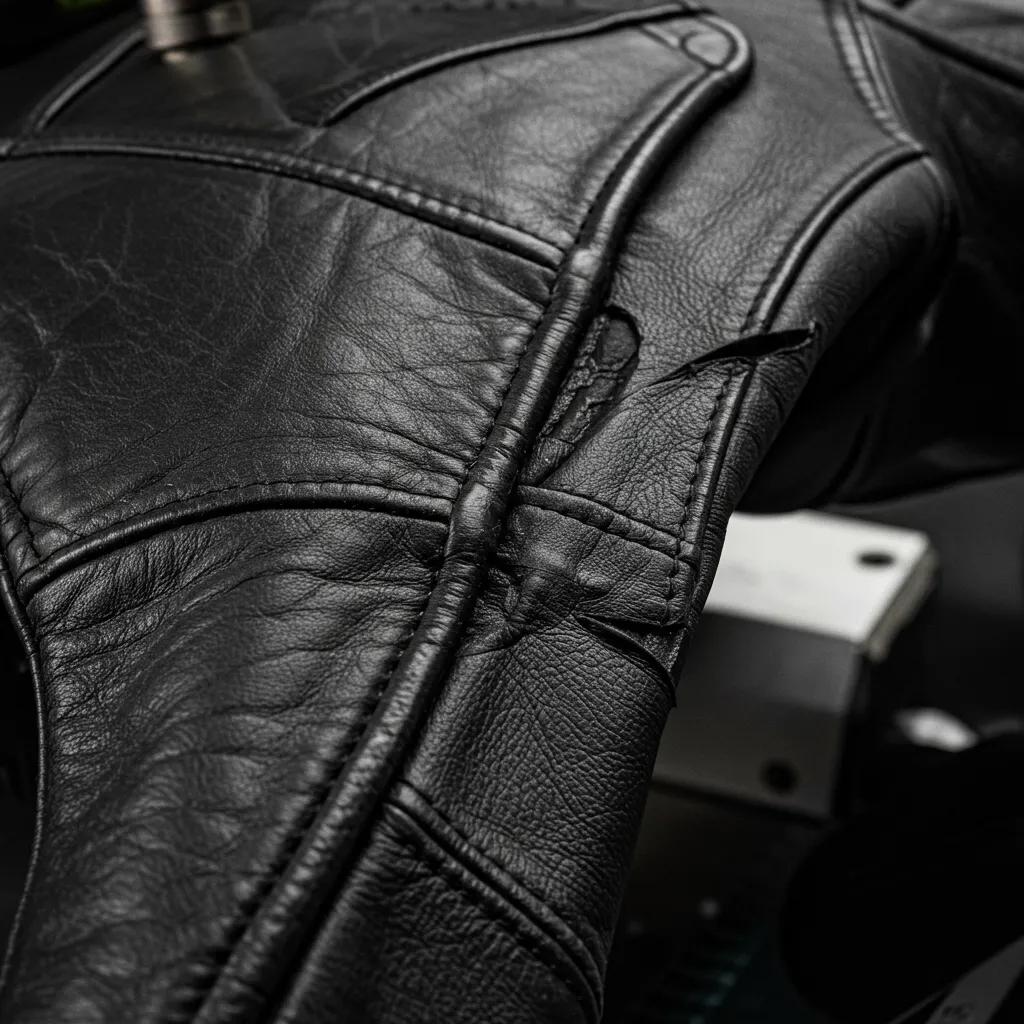
Abrasion resistance in leather comes from dense collagen fibers and a preserved grain that create a hard-wearing outer surface resisting micro-tearing during slides. The grain layer reduces surface wear and limits frictional heat transfer; thicker hides increase the energy the material can absorb before failing, extending the time a rider’s skin stays covered. Finishes and dressings (wax, oil, or penetrative conditioners) can boost surface cohesion without losing flexibility, but over-treating can reduce breathability. Smart construction — overlapping panels, abrasion patches in high-wear zones, and reinforced seams — slows progressive failure. Both material choice and careful assembly matter for real performance.
Why Is Leather Preferred for Motorcycle Safety Compared to Other Materials?
Leather’s popularity for motorcycle safety rests on its long abrasion life, predictable wear patterns, and the ease of adding structural reinforcements without ruining fit. Textiles can be lighter or more breathable and may include engineered abrasion panels, but they typically need multi-layer builds or extra reinforcement to match leather’s slide protection. Leather also gives visible cues as it ages — patina, seam stretch, and thinning panels — while some composite textiles hide internal damage. For many riders, leather works best for primary protective zones, with textiles used strategically for ventilation or hybrid designs.
How Does Leather Motorcycle Jacket Durability Enhance Rider Protection?
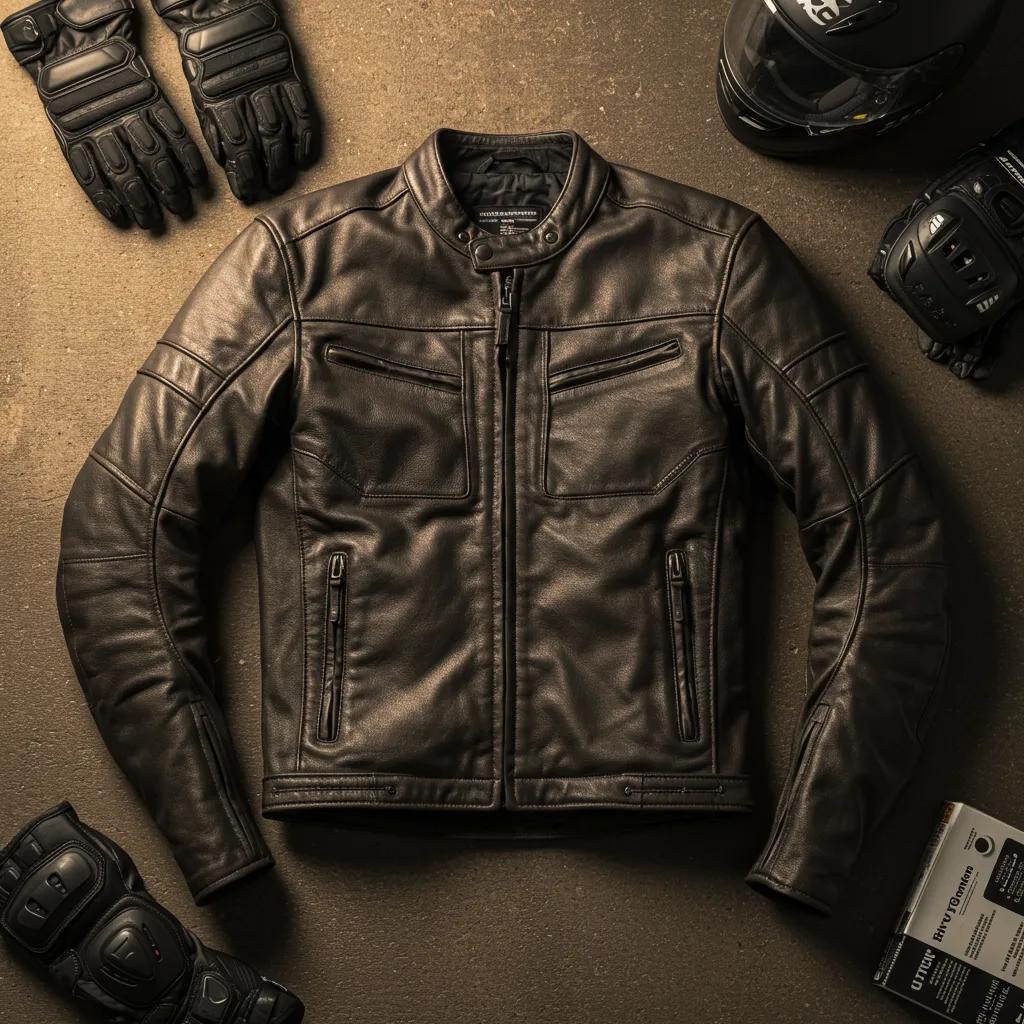
A jacket that keeps its shape and seam integrity protects riders by holding armor in place and resisting catastrophic failure under stress. Durable jackets use thicker hides over impact areas, bar-tacked stress points, and redundant stitching so local damage does not spread into full garment failure. That structural continuity keeps armor aligned with joints and the spine during a crash. Durable leather also resists long-term fiber fatigue from repeated flexing, helping a jacket bought today perform reliably years later. The H3 sections below detail the material choices and construction features that deliver the most dependable longevity and how to inspect and replace gear when needed.
Full-grain hides and well-tanned top-grain leathers form the backbone of long-lasting jackets because tanning and hide selection determine collagen cohesion and resistance to environmental damage. Vegetable, chrome, and mixed tanning methods change flexibility, colorfastness, and how leather reacts to conditioners; choosing the right tanning for your use prevents premature stiffness or cracking. Reinforcement techniques — double or triple stitching, bartacks, and internal ripstop liners — help prevent seam blowouts and maintain the jacket’s protective geometry. When assessing reliability, look for visible reinforcements at shoulders, elbows, and seams.
Durability matters to safety because it ensures armor stays correctly placed and that failure modes are gradual and detectable, not sudden. A jacket with stretched seams or thinned panels can shift armor away from bones or open in a crash, increasing injury risk beyond what armor alone can prevent. Regular checks for seam stretch, thinning leather, and worn hardware let riders repair or retire garments before catastrophic failures occur. The next section explains how leather behaves in crashes and which design features improve outcomes.
What Are the Motorcycle Leather Protection Benefits in Crash Situations?
In crashes, leather reduces injury severity by resisting abrasion, delaying tearing, and working with impact armor to manage blunt forces. While sliding, leather’s dense fibers provide a wear-resistant interface with pavement that reduces skin penetration and the extent of road rash; thicker panels and overlays absorb energy and slow tear-through. Leather alone is not a cushion, but paired with CE-rated armor it stabilizes coverage and resists displacement so armor can dissipate blunt energy effectively. Below we outline the mechanisms and design features that turn leather’s material properties into measurable protective results.
Leather minimizes abrasion and tearing through time-to-failure behavior that allows the shell to hold together longer under sliding forces. Hide thickness, grain quality, and reinforced stitching extend the duration before fiber separation, giving riders a longer protective window. This reduces the depth and area of skin damage and lowers the chance of open wounds and contamination. Properly placed armor pockets and overlays help ensure that if the shell abrades, the armor remains to reduce blunt trauma to bony areas.
Design elements that improve crash performance include reinforced shoulders and hips, triple-stitched seams, armor-compatible pockets with retention features, and abrasion patches in high-contact zones. These choices preserve structure and prevent early seam failure or armor migration — common failure modes in complex crashes. Recommended minimum specifications for protective zones include thicker outer panels and seam reinforcements where sliding forces peak; these complement armor rather than replace it and together produce the most consistent crash protection. Below we note how manufacturers implement these principles with quality controls and testing.
Manufacturers committed to safety turn these material and design principles into tested products through quality control and reinforcement standards checked before shipping. Responsible production includes hide thickness inspections, stitching-strength verification, and functional checks of armor pockets and reinforcements so garments perform as intended. For wholesale or export buyers seeking consistent protection, suppliers with e-commerce and information-hub capabilities can document testing protocols and fulfill bulk orders to agreed reinforcement specs. These QA practices link design intent to real-world rider safety.
How Does Leather Minimize Injury Risks During Accidents?
Leather reduces injury risk by acting as a durable barrier that resists abrasion and delays tearing, protecting skin and soft tissue during slides. The hide’s thickness and grain lower frictional heating and micro-tearing, while overlays and patches localize wear and protect seams. When the shell holds together long enough, underlying armor can absorb and spread impact energy instead of being exposed. Riders get the most benefit when leather garments combine sturdy panels in high-wear areas with secure armor retention systems that together lower both soft-tissue and blunt-force injuries.
What Features of Leather Gear Improve Impact and Abrasion Protection?
Protective features to look for include reinforced shoulder and hip panels, internal armor pockets that lock plates in place, triple-stitched seams, and abrasion overlays on forearms and the seat. Bartacks and reinforced seams at stress points prevent progressive tearing. Armor pockets with retention flaps or straps keep padding aligned during movement and impact. Choosing garments that combine these features offers better real-world protection than relying on a single strategy.
Why Is Abrasion Resistant Leather Riding Gear Essential for Motorcyclists?
Abrasion resistance is essential because the most common and immediately damaging result of a slide is road rash and skin tearing — exactly what abrasion-resistant leather helps prevent by slowing material failure and keeping tissue covered. Practically, higher abrasion life reduces injury area and depth, lowers infection risk, and shortens recovery compared with inadequate garments. Abrasion-resistant gear also changes rider behavior: when riders trust their apparel will perform, they are more likely to wear protective gear regularly. The sections that follow explain how abrasion resistance builds rider confidence and which leathers best deliver that property for different uses.
Abrasion-resistant gear boosts rider confidence by giving a clear, reliable level of protection that encourages consistent use across conditions. Confidence from proven protection reduces the temptation to skip protective layers on short trips or in warm weather. Clear labeling of measured abrasion data and visible construction cues help riders separate garments that only look protective from those that deliver tested abrasion life. Straightforward communication of these differences supports safer gear choices and better riding habits.
Choosing the right hide — full-grain cowhide, buffalo, or kip — affects abrasion performance through thickness and fiber density. Full-grain, thicker cowhide usually ranks highest for slide resistance, while buffalo offers similar toughness often at a heavier weight. Corrected or top-grain leathers give a more uniform finish but typically have lower abrasion life. Match hide choice to riding style and panel location to balance comfort, weight, and abrasion performance for your needs.
| Leather Grade / Species | Typical Thickness (mm) | Typical Abrasion Outcome |
|---|---|---|
| Full-grain cowhide | 1.2–1.4 | Longest resistance in slides |
| Buffalo | 1.3–1.6 | High toughness, very durable |
| Top-grain / corrected | 0.9–1.2 | Moderate resistance, cleaner finish |
This table summarizes typical thickness ranges and expected abrasion results to guide material choice. Next, we discuss the trade-offs in style, fit, and comfort riders face when choosing abrasion-resistant leather.
How Does Abrasion Resistance Affect Rider Confidence and Safety?
Abrasion resistance changes rider behavior because reliable gear promotes regular use and reduces risk-taking driven by perceived vulnerability. When riders see measured performance and visible reinforcements — thicker panels, taped seams, secure armor systems — they trust the garment and are more likely to wear it for everyday rides. That trust creates a positive loop: better gear leads to more consistent use and fewer preventable injuries.
What Types of Leather Are Best for Maximizing Abrasion Resistance?
Full-grain cowhide generally delivers the best abrasion resistance thanks to preserved grain and higher collagen density; buffalo offers great toughness and often greater thickness for heavy-duty needs. Kip and lighter top-grain hides reduce weight and improve comfort for sport cuts but usually need reinforcement in contact zones to match protection. Oiled or waxed finishes can boost surface cohesion and reduce micro-abrasion but should be used sparingly to avoid stiffening. For primary protective zones, prioritize full-grain or heavier hides; use lighter leathers only where mobility or ventilation is essential.
How Does Leather Motorcycle Gear Combine Style with Practical Safety Advantages?
Leather blends classic styling with structural properties that support safety, letting designers create garments that look timeless while including thick panels, strategic perforation, and hidden armor pockets. Cuts — racing, cafe-racer, or touring — can preserve protective geometry while delivering the desired silhouette; proper panel placement is essential so style does not move armor out of position. Finishes like matte, waxed, or aniline let you customize appearance while keeping grain integrity. Manufacturers offering bespoke or private-label production can match wholesale orders to specific protective and style requirements. The subsections below explain why riders pick leather for both reasons and how comfort design keeps safety central.
Many riders choose leather for its heritage and timeless look, which also signals durability and quality — cues that encourage regular wear. Visible signs of quality — solid hardware, reinforced stitching, and natural grain — suggest reliability and support safer behavior. At the same time, classic leather silhouettes can hide modern protective technology without bulk, helping riders adopt safety-forward garments that still match their style. Knowing this balance helps buyers choose pieces that satisfy both appearance and protection.
Leather gear can be comfortable without sacrificing safety by using ergonomic paneling, selective perforation, and removable liners for seasonal flexibility. Perforation should avoid primary impact areas and be paired with abrasion overlays where needed; stretch panels and articulated seams preserve mobility while keeping armor aligned. Removable thermal liners and breathable mesh backings increase usability across climates while leaving the leather shell intact for protection. A proper fit — snug but not restrictive — ensures armor pockets sit on the right anatomical landmarks. Choosing garments engineered this way gives year-round wearability while maintaining protection.
Manufacturers with e-commerce and information-hub capabilities can provide finish options, customization for wholesale runs, and private-label services that pair craft with protection. These suppliers can produce waxed, aniline, or distressed finishes and fulfill bulk orders to agreed reinforcement specs for export clients. That flexibility supports fashion-driven collections that keep safety-critical features — reinforced seams and armor pockets — front and center for retail and wholesale buyers.
Why Do Riders Choose Leather for Both Protection and Aesthetic Appeal?
Riders pick leather because it signals durability and tradition while delivering genuine protection when built correctly. The material’s visual cues — grain, patina, hardware — communicate longevity and often reflect thicker panels and reinforced seams. That blend of look and function makes riders more likely to invest in pieces they will wear often, increasing consistent protection. For those who care about both identity and safety, leather provides a trusted base that accepts modern armor and reinforcement details.
How Does Leather Gear Maintain Comfort Without Compromising Safety?
Comfort comes from ergonomic cuts, stretch panels, and breathable linings that do not reduce protective zones. Perforated panels must avoid high-impact areas and be paired with abrasion overlays where needed; removable liners give weather versatility without changing the shell’s protection. Correct sizing ensures armor pockets sit on anatomical landmarks so mobility and safety are preserved. Selecting garments designed with these strategies delivers all-season usability while keeping protection intact.
What Maintenance Practices Extend the Life and Safety of Leather Riding Gear?
Regular care preserves leather’s protective qualities by preventing drying, keeping seams strong, and maintaining hardware — extending service life and ensuring consistent crash performance. Wiping off grit after rides, conditioning to restore oils, and storing gear dry and ventilated prevents stiffness and cracking that reduce abrasion resistance. Scheduled inspections for seam stretch, thinning panels, and armor-pocket integrity let you repair or retire gear before failures become dangerous. Below are clear care steps, a simple maintenance table, and suggested product or service options helpful for individual riders and wholesale buyers.
Follow a three-tier routine: quick cleaning after each ride, monthly conditioning during regular use, and professional inspection or repair annually or after an impact. Quick cleaning removes grit that speeds abrasion; conditioning keeps fibers supple to maintain tear resistance; professional services can reinforce seams and check armor pockets to restore protective geometry. Store gear away from direct sun and humidity extremes to avoid drying or mildew. These steps protect both function and finish and form the basis of recommended maintenance packages.
For riders and wholesale buyers, bundled care kits and maintenance packages simplify upkeep. A basic kit includes a gentle leather cleaner, a balanced conditioner, and instructions for minor repairs; professionals can offer seam reinforcement and armor-pocket checks under periodic maintenance agreements. Suppliers with e-commerce and information hubs can supply these kits to customers and arrange tailored maintenance contracts for bulk clients, helping preserve product longevity and consistent safety across fleets.
| Care Task | Recommended Frequency | Result / Safety Impact |
|---|---|---|
| Post-ride wipe-down | After every ride | Removes grit that speeds abrasion |
| Conditioning with oil/lotion | Monthly (active use) | Restores flexibility and tear resistance |
| Professional inspection/repair | Annually or post-impact | Restores seam strength and armor retention |
This table links simple maintenance steps to safety outcomes so riders can keep protective performance intact. Next, we list practical do’s, don’ts, and common mistakes to avoid.
Good maintenance means avoiding harsh chemical cleaners, never using direct heat to dry leather, and fixing small tears quickly to keep them from growing. Over-conditioning with heavy waxes can clog pores and stiffen leather, reducing flexibility and making it more brittle over time. Storing gear in direct sunlight dries oils and weakens collagen fibers, shortening abrasion life. A measured care routine preserves both protection and appearance.
Common maintenance mistakes to avoid:
- Using household detergents: Harsh soaps strip natural oils and weaken the hide.
- Over-conditioning with heavy oils: Too much product can stiffen leather and trap dirt.
- Ignoring seam or zipper wear: Small failures escalate quickly under stress.
Follow correct care protocols to prevent premature degradation and keep protective features working as intended.
How Should Riders Care for Leather to Preserve Its Protective Qualities?
To keep leather protective, perform a post-ride clean to remove grit, condition monthly during regular use to maintain suppleness, and schedule professional inspections annually or after any impact. Use pH-neutral cleaners made for leather, apply conditioner sparingly to preserve breathability, and avoid heat-driven drying that shrinks or stiffens hides. When repairing, prioritize seam reinforcement and hardware restoration over cosmetic fixes so structural issues are resolved. These practices maintain abrasion resistance and armor fit, extending safe service life.
What Are Common Mistakes That Reduce Leather Gear Effectiveness?
Common errors include using household cleaners that strip oils, applying silicone-heavy products that block pores, and storing gear damp or in direct sun so it dries or mildews. Ignoring small seam separations or early zipper wear can lead to rapid, safety-critical failures in a crash. Over-perforating shells for airflow without reinforcing high-wear areas undermines abrasion protection; balance ventilation needs with strategic overlays. Avoid these mistakes to preserve protection and extend usable life.
- Maintenance checklist summary: Regular cleaning, monthly conditioning, annual inspection.
- Inspection cues: Thinning panels, seam elongation, loose hardware — repair or retire.
- Service options: Care kits for individuals; maintenance contracts for wholesale clients.
These steps form a practical maintenance program that protects both riders’ investments and their safety.
Frequently Asked Questions
What types of leather are best for motorcycle gear?
Full-grain cowhide, buffalo leather, and top-grain leathers are common choices. Full-grain cowhide offers the best abrasion resistance and durability for protective gear. Buffalo leather brings extra thickness and toughness for heavy-duty use. Top-grain leather looks cleaner but usually has a shorter abrasion life. Pick the leather type based on your riding needs and balance comfort, weight, and protection.
How can riders ensure their leather gear fits properly for maximum protection?
Fit matters. Gear should be snug enough to keep armor aligned but not so tight it restricts movement. When trying gear on, confirm armor pockets sit over joints, sleeves and pant legs are long enough to stay covered while moving, and there’s room for any base layers you plan to wear. Correct fit keeps armor where it’s needed in a crash.
What are the signs that leather motorcycle gear needs to be replaced?
Replace gear when you see thinning panels, frayed or open seams, significant abrasions, or hardware failures that affect fit or armor retention. If armor no longer fits securely or zippers and snaps fail, those are signs the garment may no longer offer intended protection. Regular inspections help catch these issues early.
How does weather affect the maintenance of leather motorcycle gear?
Weather matters. Moisture can cause mildew and weaken fibers; heat and sun dry out leather and cause cracking. Store gear in a cool, dry place and avoid long exposure to sunlight. Condition leather after wet rides or humid spells to restore suppleness and protective performance.
What are the best practices for cleaning leather motorcycle gear?
Use a pH-neutral leather cleaner to remove dirt and grime after rides. Avoid harsh chemicals that strip natural oils. After cleaning, apply a suitable conditioner sparingly to replenish moisture and flexibility. Air-dry naturally — never use direct heat. Regular, measured care preserves both appearance and safety features.
Can leather motorcycle gear be customized for better fit and style?
Yes. Many manufacturers offer bespoke or tailored options so you can adjust sleeve and pant lengths, choose finishes, or add protective elements. Custom work improves fit and comfort and lets you express personal style without sacrificing protective performance.
What role does armor play in enhancing leather motorcycle gear safety?
Armor is essential for impact protection. CE-rated armor absorbs and spreads energy during a crash, protecting shoulders, elbows, back, and hips. For armor to work, it must be securely positioned and retained during movement and impact. High-quality leather plus correctly fitted armor gives a strong defense against sliding and blunt injuries.
Conclusion
Leather motorcycle gear stands out for protection, durability, and timeless style — a solid choice for riders. By understanding abrasion resistance and following sensible maintenance, you can keep gear effective and reliable for years. Investing in quality leather not only improves safety but also builds rider confidence. Browse our selection of premium leather motorcycle gear to find pieces that blend protection and style.


