
Protecting Embossed Leather
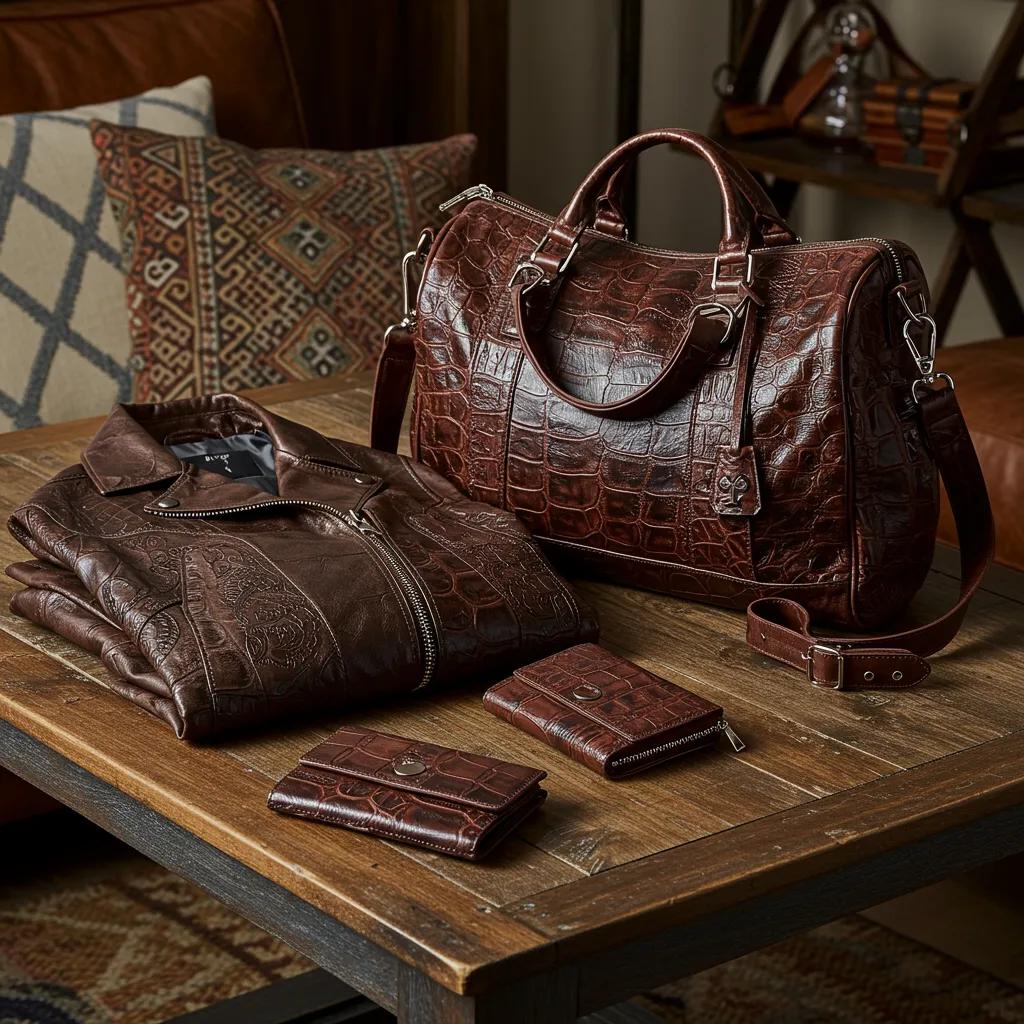
Caring for Embossed Leather: A Complete Guide to Cleaning, Conditioning and Maintenance
Embossed leather has raised, decorative patterns that give each piece character — and that same texture also traps dirt, wears faster at high points, and reacts differently to moisture than smooth leather. This guide explains why embossed finishes need careful cleaning, the right conditioners and protectors, and correct storage so your embossed patterns, color and structure stay true over time. You’ll find safe cleaning routines, recommended conditioners and sprays for different hides, storage tips to avoid flattening, and step-by-step stain-removal methods for jackets, bags, wallets and accessories. Practical checklists, manufacturer-friendly product guidance and comparison tables are included to help both individual owners and wholesale customers choose the best care. After a short overview we walk through tools and cleaning steps, conditioning basics, waterproofing options, storage rules, stain and embossing repair, and manufacturer-specific advice for Pakistan Leather’s embossed lines. Follow these manufacturer-aligned steps and simple maintenance rhythms to keep embossed textures crisp and attractive for years.
Cleaning Embossed Leather — Safe, Effective Steps
Cleaning embossed leather starts with the simple fact that raised patterns catch dust and grime, and aggressive rubbing or too much moisture can flatten or stain the texture. A gentle, step-by-step method — dry dusting, working with diluted cleaners, and always spot-testing — removes soils without harming the finish or pattern. Regular light cleaning prevents build-up that speeds wear, and correct drying plus conditioning afterwards protects flexibility and pattern depth. Below we list the best tools and a careful routine that prioritizes low pressure and short contact time to preserve embossed detail.
Best Tools for Cleaning Embossed Leather
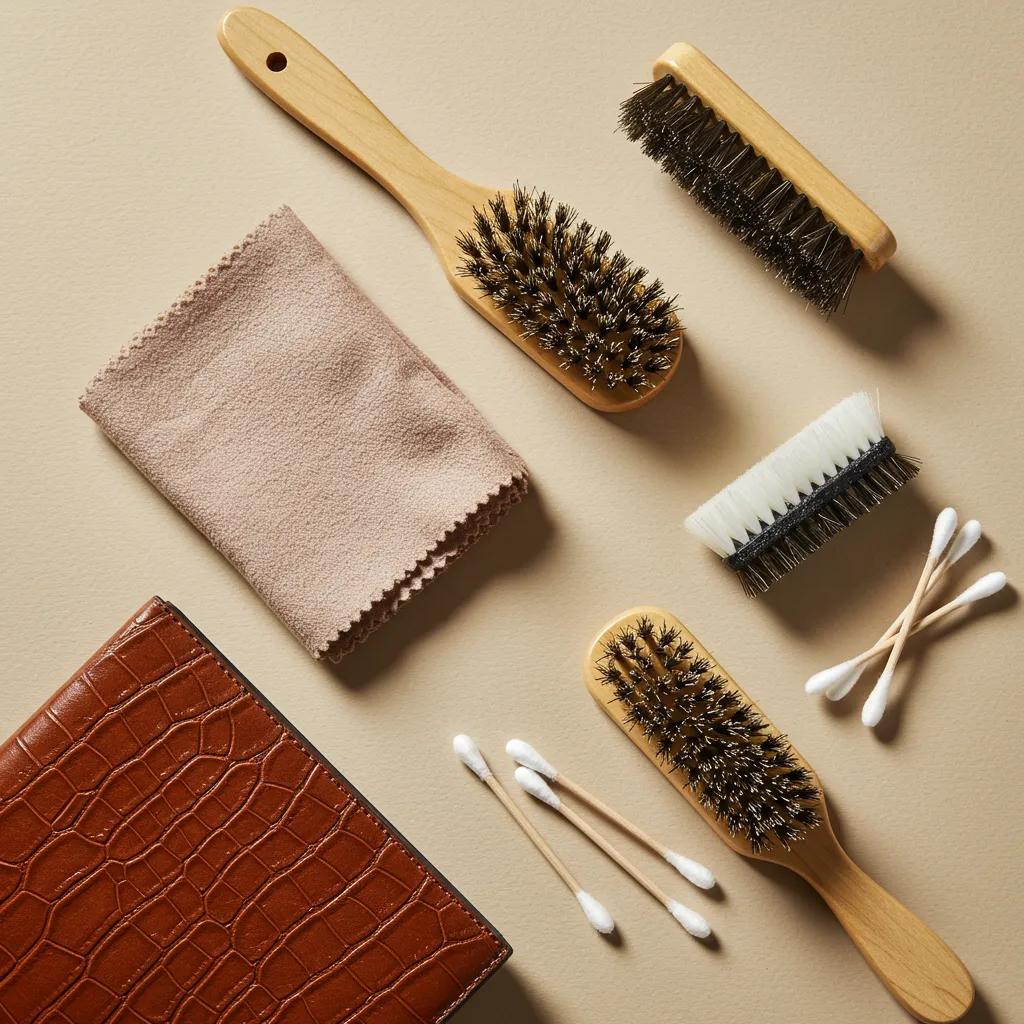
- Use soft microfiber cloths, soft‑bristle brushes and cotton swabs for precise cleaning in recesses.
- Mix cleaners with distilled water to avoid mineral residues on sensitive finishes.
- Avoid abrasive sponges, stiff brushes and household solvents that strip finishes.
Choosing gentle tools reduces the chance of damage and lowers the need for later restoration.
How to Use Saddle Soap and Mild Cleaners on Embossed Leather
When you use saddle soap or a mild leather cleaner, dilute it and work with a barely damp cloth so the leather is not saturated and the embossing stays firm. Always start with a small spot test on an inconspicuous seam and let it dry to check for darkening or finish loss. If safe, apply a small amount to a microfiber cloth and wipe in light circular motions; use a soft brush to lift dirt from pattern recesses. Remove residues with a cloth dampened in plain distilled water, blot dry immediately with a clean microfiber towel, and air‑dry away from heat or direct sun. Quick rinsing and drying prevent soap residue from attracting dirt and preserve the contrast between raised and recessed areas.
Why Conditioning Matters for Embossed Leather
Conditioning replenishes the oils and plasticizers that keep leather supple — vital for embossed items, because flexibility preserves raised patterns and prevents cracking at textured edges. Regular conditioning restores moisture balance, improves resistance to bending stress, and keeps the visual separation between peaks and valleys in the design. Conditioners vary in chemistry and finish effect, so choose a formula suited to the hide and finish (sheep, goat, cow, buffalo; aniline or pigmented) to avoid unwanted darkening or surface film. The table below summarizes common conditioner categories, their ingredients, compatibility and main benefits to help you pick the right product for embossed surfaces.
Introductory note: the table below outlines conditioner types, key ingredients, compatibility with common leather types and finishes, and the benefits most relevant to preserving embossed texture.
| Conditioner Type | Key Ingredients | Compatibility with Leather Types & Finishes | Primary Benefit |
|---|---|---|---|
| Oil-based conditioners | Natural oils (neatsfoot, lanolin) | Best for thick cow and buffalo hides with pigmented finishes; test on aniline first | Deep rehydration and improved flexibility |
| Wax-based balms | Beeswax, carnauba | Good for pigmented/protected embossing; may slightly darken aniline leathers | Surface protection and light water resistance with gentle sheen |
| Water-based lotions | Emollients, glycerin | Safe for delicate sheep/goat and aniline finishes when labeled for them | Light moisturization without heavy residue |
| Eco-conscious blends | Plant oils, biodegradable waxes | Formulated for broad compatibility; ideal where sustainability matters | Balanced conditioning with lower environmental impact |
Choosing Conditioners and Balms for Embossed Leather
Pick conditioners that explicitly state compatibility with your leather type and finish. Prefer water‑based or light emollients for soft sheep and goat leathers; use oil‑ or wax‑based options for thick cow or buffalo hides in structured bags and jackets. On embossed surfaces apply very small amounts, sparingly, with a soft cloth — work with the grain and avoid over‑saturation that can fill recesses and flatten patterns. Use thin, even layers and buff lightly with a clean microfiber cloth to spread product without creating an opaque film. Conditioning frequency depends on climate and use: generally every 3–6 months for regular wear, and annually for stored items. Manufacturer-backed products or small care kits made for embossed finishes make safe choices easier.
How Conditioning Prevents Cracking and Dryness
Conditioners replace lipids and natural oils that bind leather fibers and keep them elastic. Replenishing those elements reduces friction when the hide bends, preventing tiny fractures at raised edges that later become visible cracks. Watch for early warning signs — stiffness, pale surface streaks, or loss of crispness in the pattern — and condition promptly to avoid irreversible damage. In low‑humidity areas, do lighter, more frequent conditioning rather than heavy applications that could oversaturate the finish; combine this with protective measures like appropriate waterproofing when needed.
Waterproofing and Protecting Embossed Leather from Stains & Water

Protecting embossed leather from water is a balance: you want repellency without sealing the hide so tightly that moisture becomes trapped. Broadly there are two approaches — light water‑repellent sprays that add temporary hydrophobicity while keeping flexibility, and stronger sealants that offer longer protection but can change texture and breathability. Proper technique — light, multiple thin coats, spot testing and full cure time — minimizes visual change and preserves embossing depth. The table below compares protector spray categories, suitable finishes and practical application notes including typical drying times.
Introductory note: this table compares protector spray types, their protection style, which embossed finishes they suit best, and key application guidelines.
| Protector Spray | Protection Type | Suitable Finishes (Embossed) | Application Notes & Drying Time |
|---|---|---|---|
| Silicone-based sprays | Water-repellent | Pigmented, protected embossing | Apply light passes; quick dry (10–30 min); may slightly darken finish |
| Fluoropolymer sprays | Stain & water resistance | Aniline (after testing) and pigmented finishes; use sparingly | Several thin coats; longer cure (24–48 hrs); retains breathability |
| Natural wax blends | Water and light stain resistance | Protected/pigmented embossing | Hand‑apply or spray; buff after curing; may darken moderately |
| Eco-friendly polymer blends | Water-repellent with low VOCs | Broad compatibility when labeled | Follow manufacturer cure times; better environmental profile |
Finishing agents play a major role in leather’s water resistance and overall durability.
Finishing Agents for Leather Waterproofness and Durability
Leather finishes are applied to change surface appearance and to improve properties such as light and rub fastness, resistance to water, solvents and abrasion. This study looked at how waterborne finishing agents affect waterproofness and breathability after different retanning and waterproofing approaches were used.
Which Protector Sprays Work Best on Embossed Leather?
Choose sprays that balance protection with minimal appearance change. Low‑odor fluoropolymer sprays are often preferred because they offer stain resistance while keeping the hide breathable; natural waxes or silicone sprays suit many pigmented finishes but can deepen color slightly. For delicate aniline embossed leathers use sprays formulated for aniline finishes and always test out of sight to watch for darkening or sheen shifts. Environmental concerns point to low‑VOC, biodegradable blends when available. After applying any spray, plan re‑application based on use — typically every 6–12 months for items in regular rotation.
Adjustments in tanning and finishing steps can significantly improve leather’s waterproof performance.
Enhancing Leather Waterproofness Through Finishing Techniques
Waterproofness can be improved by changing stages from pre‑tanning through finishing. This research used different tanning and finishing combinations, avoided surfactants and hydrophilic agents, and tested various waterproof fatliquors and finishes. Samples with more extensive finishing showed the highest waterproof performance.
How to Apply Waterproofing Sprays Without Hurting Embossed Patterns
Technique matters: work in a ventilated area, hold the spray 20–30 cm from the surface and use two to three very light passes instead of one heavy coat to avoid pooling in recesses. Let each coat become tack‑free and allow full cure time before use — this staged approach prevents build-up that obscures embossing. If you get streaks or a slightly sticky feel, lightly buff with a dry microfiber cloth after the spray cures or use a manufacturer‑recommended solvent‑free cleaner to remove excess. Always spot‑test first and recondition lightly after the product has fully cured to restore surface suppleness.
Storage Best Practices to Preserve Embossing and Shape
Good storage protects embossed patterns from pressure flattening, abrasion and humidity damage. Aim for breathable covers, gentle internal support, and stable conditions with moderate humidity. Before long‑term storage, clean lightly, condition sparingly (so oils don’t get trapped), stuff cavities with neutral soft material and keep items in breathable dust bags. The table below compares recommended storage supplies and explains why each choice helps embossed goods.
Introductory note: the table below outlines storage materials, their breathability and recommended stuffing to reduce flattening and mildew risk during short or long storage.
| Storage Supply | Material / Breathability | Recommended Stuffing Material | Benefit for Embossed Items |
|---|---|---|---|
| Dust bag | Cotton or muslin; highly breathable | Acid-free tissue paper or cotton batting | Keeps dust off while allowing air circulation |
| Stuffing inserts | Unbleached cotton / soft batting | Soft cotton or archival tissue | Maintains cavity shape without creating pressure points |
| Boxes | Acid-free cardboard with ventilation | Layered tissue padding | Protects from light and pests while permitting airflow |
| Silica or desiccant packs | Reusable silica; controls moisture | Placed near but not touching the leather | Helps control relative humidity without direct contact |
How embossing is done affects final color and shape retention of the leather.
Embossing Parameters and Leather Properties
Study of how embossing parameters influence colour change and the ability of vegetable‑tanned leathers to retain shape.
Why Breathable Dust Bags and Proper Stuffing Matter
Breathable dust bags (cotton or muslin) stop dust but allow slow moisture exchange, preventing trapped humidity that causes mold or finishes to fail; avoid non‑breathable plastics that invite condensation and flattening. Stuff cavities with soft, neutral materials and slightly under‑fill so shape is retained without compressing embossed peaks — archival tissue or cotton batting works well for bags and wallets; jackets benefit from curved shoulder supports that mimic the body. Correct stuffing and breathable covers relieve seam tension and protect hand‑stitched details common in higher‑grade goods, which reduces the need for repairs down the line.
Ideal Environmental Conditions for Storing Embossed Leather
Store embossed items in a stable environment around 15–22°C (59–72°F) with relative humidity near 40–55% to prevent drying or mold while keeping leather flexible. Avoid extreme swings in temperature or humidity that stress fibers and finishes. Keep pieces out of direct sunlight and strong indoor lighting to prevent fading and heat‑drying, and ensure gentle air circulation to avoid stagnant humidity pockets. In humid climates use desiccants placed near but not touching leather; in very dry climates increase light conditioning rather than using heaters that accelerate cracking. These measures cut down on maintenance and major restoration needs.
Removing Stains and Restoring Flattened Embossing
Treat stains and flattened embossing conservatively, using stain‑specific, low‑contact methods that protect texture. Start with absorption for fresh spills, move to gentle cleaning, and finish with conditioning. For oil and grease begin with absorbents; for ink or dye transfer use specialist removers only after a professional test; for flattened embossing try light humidification and careful mechanical reshaping with padded tools rather than heavy heat or chemical re‑embossing. Below are immediate actions and a quick troubleshooting checklist to help decide between DIY fixes and professional service.
- Blot fresh spills immediately: Gently absorb with a clean microfiber cloth — do not rub.
- Use absorbents for oil: Sprinkle cornstarch or talc, let sit, then brush off with a soft brush.
- Spot-test cleaners first: Always try any product on a concealed seam before treating visible areas.
- Avoid harsh solvents on colored finishes: They can remove dyes or alter Pantone‑matched surfaces.
These first steps often stop a problem from getting worse. The paragraph below outlines restoration approaches when patterns have flattened or damage is deeper.
Gentle Methods for Common Stains on Embossed Leather
For oil and grease, use an absorbent such as cornstarch left in place for several hours to lift oils without wetting the leather; brush residue away gently and condition afterward. Ink stains may respond to a specialist leather ink remover applied sparingly with a cotton swab after a successful spot test — avoid household solvents that strip dye. Watermarks and salt deposits are best handled by light rehydration with a barely damp cloth, even drying and a light conditioning to rebalance oils. After any stain work, let the area dry fully and then condition to restore suppleness and maintain embossing contrast.
When to Seek Professional Restoration
Call a professional when stains penetrate dye layers, when there is structural damage or deep cracking, or when embossing is severely flattened and needs reworking. These situations often require re‑dyeing, controlled heat and pressure re‑embossing, or stitching repairs beyond DIY. Professionals test finish chemistry and use controlled techniques for recoloring and re‑finishing so pattern and color remain uniform — essential for Pantone‑matched or hand‑finished pieces. Wholesale buyers or customers shipping internationally should consult the manufacturer or a certified restorer before authorizing major repairs to ensure methods match the original materials and finish. Preparing items for assessment — clean, lightly conditioned and well documented — speeds diagnosis and turnaround.
Care Recommendations for Pakistan Leather’s Embossed Products
Pakistan Leather produces embossed jackets, bags, wallets and accessories in sheep, goat, cow and buffalo hides and offers Pantone color matching on many finishes. Care that follows these materials will preserve texture, color and stitching. For Pakistan Leather’s hand‑stitched, color‑matched pieces follow conservative cleaning, conditioning and storage routines and choose manufacturer‑recommended supplies or care kits made for embossed finishes to protect seams and avoid color shift. Wholesale and export customers should also follow packing/unpacking guidance — air items briefly after transit and do a light conditioning cycle to offset any dryness from shipping. Below are tailored tips for Pakistan Leather items and a short product note to guide purchases or wholesale enquiries.
Unique Care Tips for Pakistan Leather’s Embossed Jackets and Bags
Many Pakistan Leather embossed jackets and bags combine delicate grain areas with hand‑stitched seams. When cleaning, work carefully along seams and avoid saturating threads to prevent tension changes; use a soft brush in pattern recesses to lift dirt without stressing stitching. For Pantone‑matched finishes always spot‑test cleaners and protectors in an unseen area because some sprays can slightly shift surface tone — use light, controlled applications to keep color faithful. After international shipping let items acclimate to ambient humidity for 24–48 hours, then perform a gentle conditioning to restore oils lost during transit. These manufacturer‑aware steps reduce the need for recoloring and protect the structural details that define our higher‑end embossed goods.
Recommended Pakistan Leather Care Products for Embossed Lines
For Pakistan Leather embossed lines we recommend mild water‑based conditioners for soft sheepskin, milk‑oil blends or light wax balms for structured cow and buffalo items — always apply sparingly and buff to avoid filling embossed recesses. A basic kit should include a soft microfiber cloth and a soft‑bristle brush. For protection choose a low‑impact fluoropolymer water‑repellent spray that has been tested for pigment stability and apply thin coats as directed, then recondition once the spray is fully cured to restore suppleness. Wholesale and export customers seeking bulk care supplies or manufacturer‑tailored care kits can contact Pakistan Leather via sales and product pages to request product details, kit options and handling guidance for custom finishes and shipping conditions.
- Manufacturer‑recommended conditioners: Choose water‑based or light emollient formulas for delicate embossed finishes.
- Protective sprays: Prefer low‑impact fluoropolymer products tested for color stability.
- Care kit essentials: Microfiber cloth, soft‑bristle brush, small conditioner and a protective spray sample.
Frequently Asked Questions
What’s the difference between waterproofing and water‑repellent treatments for embossed leather?
Waterproofing creates a strong barrier that prevents water penetration and is suited for heavy exposure, while water‑repellent treatments make the surface shed water but still allow the leather to breathe. For embossed leather, breathability is often important to keep flexibility and avoid trapped moisture. Choose the treatment based on how the item will be used and the conditions it will face.
How often should I condition embossed leather?
Conditioning frequency depends on use and environment. For regular use, condition every 3–6 months. Items stored or rarely worn can be conditioned once a year. In very dry climates condition more often to prevent cracking. Watch for signs like stiffness or loss of pattern crispness — those indicate it’s time to condition sooner.
Can I use regular leather care products on embossed leather?
Not always. Ordinary leather products may not be formulated to protect the texture and can flatten raised patterns. Use products labeled for embossed or protected finishes, and when in doubt follow manufacturer recommendations to avoid accidental damage.
What should I do if my embossed leather item gets wet?
Act quickly: blot excess moisture with a clean microfiber cloth — don’t rub. Let the item air dry naturally at room temperature away from direct heat. When dry, assess and apply a light conditioning treatment if the leather feels stiff or dry to restore oils and flexibility.
How can I prevent embossed leather from fading?
Store pieces in a cool, dark place away from direct sunlight and strong lighting. Regular conditioning preserves natural oils and color vibrancy. Protective sprays tested for pigment stability can add a layer of defense against UV and pollutants. Always follow the manufacturer’s care guidance for best long‑term color retention.
What are the signs that my embossed leather needs professional restoration?
Seek professional help for deep cracks, extensive flattening of the pattern, or stains that penetrate dye layers. If regular care hasn’t restored the appearance or the damage affects structure, a professional can re‑colorize, re‑emboss or repair stitching using controlled techniques beyond DIY scope.
Conclusion
Proper care keeps embossed leather looking its best and extends its useful life — preserving texture, color and shape. Follow the cleaning, conditioning and storage techniques outlined here, and use manufacturer‑recommended products when possible. For tailored advice or premium care kits built for embossed finishes, explore our recommended supplies. Start a simple maintenance routine today to keep your embossed leather pieces beautiful and functional for years to come.


