
Protecting Dyed Leather
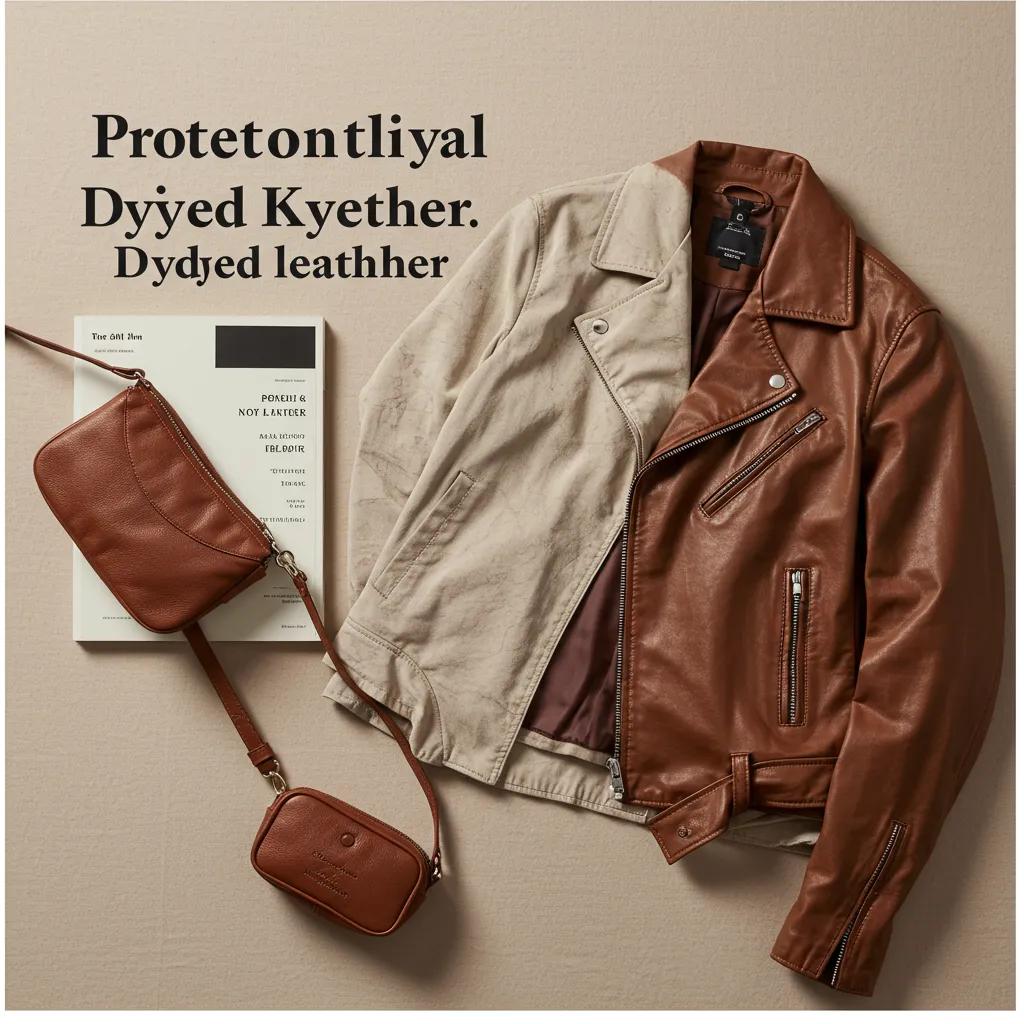
How to Protect Dyed Leather — Complete Guide to Preventing Color Transfer & Fading
Dyed leather means hides where colourants either penetrate or coat the surface to create vivid shades. The two issues you’re most likely to meet are dye transfer (rub-off) and fading. Knowing why dyes move or pigments break down helps you pick the right sealing, conditioning and UV-protection methods to keep colour and feel intact. This guide walks through the chemistry behind dye migration and fading, step‑by‑step prevention and restoration techniques, and a clear comparison of sealants, top coats and UV protectants for different leathers. You’ll find safe cleaning and conditioning routines, a practical maintenance schedule, and restoration workflows for faded items — all tailored for dyed leather. Use the checklists and manufacturer‑compatible tips to test, treat and protect jackets, bags and hand‑stitched pieces without guesswork. Read on for proven ways to stop dye bleed, how to seal correctly, and which interventions suit aniline, pigmented and specialty leathers.
What Causes Leather Dye Transfer and How Can You Prevent It?
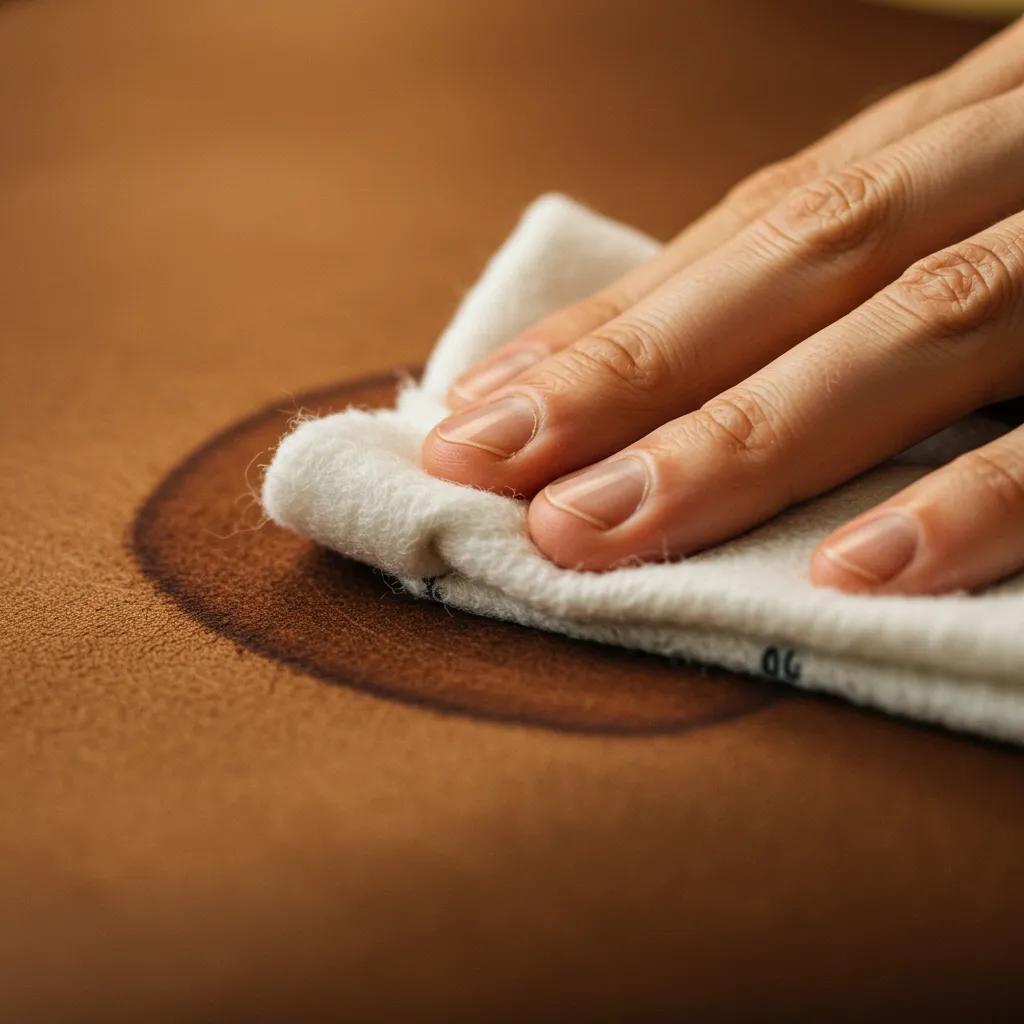
Dye transfer happens when unfixed or surface dye rubs off onto other fabrics or lighter materials through friction, moisture or heat. Preventing transfer protects appearance and value. Leathers with dye close to the surface — often from poor fixation or certain exhaust dye processes — are most likely to rub off, and sweat, rain or repeated rubbing speed the migration. Early testing and appropriate sealing give immediate protection. Below we list practical prevention steps and a simple testing protocol you can use before wearing or storing new dyed leather items. Understanding the mechanics helps you choose seals and finishes that cut dye bleed without sacrificing breathability or the leather’s hand.
Before applying any protection, do a cloth rub test to check transfer risk. Use a clean white cotton cloth, dampen it slightly and press‑rub a hidden area; any stain on the cloth shows surface dye that should be sealed. If you see transfer, prioritise film‑forming sealants or pigmented top coats that suit the leather type to stop rub‑off. After testing, plan a sealing approach that balances colourfastness with the leather’s intended look and use.
What Is Leather Dye Transfer and Why Does It Happen?
Leather dye transfer is the staining of nearby fabrics when pigment or unfixed dye migrates from leather through contact and movement. On a technical level, surface dyes can be loosely bound or improperly fixed during production, and mechanical action or moisture breaks the weak bonds that hold the dye in place. This most often shows up with deep fashion colours on new garments or bags where excess colour sits on the surface, especially where dark leather meets light textiles. A simple at‑home rub test tells you if transfer is likely and whether conditioning alone will do or if sealing is needed.
Testing helps you avoid treatments that could harm the finish by guiding the correct mitigation path. If the rub test is clean, gentle conditioning and occasional UV/top‑coat maintenance usually suffice; if it picks up dye, move to targeted sealants and then re‑test. The next section explains which sealant and top‑coat chemistries work best to stop dye rub‑off while keeping leather characteristics intact.
Which Leather Sealants and Top Coats Best Prevent Dye Transfer?
Sealants that form a continuous film — acrylics or polyurethane top coats — are most effective at stopping surface dye from rubbing away. Penetrating conditioners reduce dye mobility by stabilising the dye inside the fibre network. Film‑forming finishes create a barrier against friction, while penetrating oils and conditioners improve fixation and suppleness without creating a rigid surface. For aniline and lightly finished leathers where breathability is important, choose thin, breathable sealants; for heavily used items like boots and bags, stronger pigmented top coats give better colour retention and abrasion resistance. Always patch‑test to check compatibility and to confirm the finish preserves the desired sheen and hand.
How to Stop Dyed Leather from Fading: Effective UV Protection and Care Tips
Fading happens when pigments or dye molecules break down under UV light, heat and oxidising pollutants — and the right UV protection preserves colourfastness. UV exposure severs chemical bonds in many organic dyes and pigments, producing visible lightening or chalking, while heat and low humidity speed drying and accelerate degradation. Sheltering, UV sprays/top coats and correct storage noticeably reduce fading and help dyed leather keep its look across seasons. Below are practical steps to minimise colour loss for jackets, everyday bags and upholstery.
- Limit direct sun by storing items away from windows and using blinds, covers or rotating display positions when possible.
- After a patch test, apply a UV‑protectant spray or a pigmented topcoat formulated for dyed leather.
- Condition regularly to maintain the oils that help keep dyes stable and prevent micro‑cracking from dryness.
- Rotate frequently used pieces so wear and light exposure are spread across multiple items.
- Reapply sealants or sprays per product instructions, especially after cleaning or heavy use.
These five measures combine environmental control with protective chemistry. Used together they reduce pigment breakdown and keep dyed leather looking fresh longer. The next subsection compares common UV protection methods and when to use each.
What Environmental Factors Cause Dyed Leather to Fade?
Dyed leather fades mainly because of ultraviolet radiation, heat, humidity swings and airborne pollutants that react with dye molecules and the leather matrix. UV triggers photochemical reactions that fragment pigments; heat and low humidity dry the leather and increase brittleness, making it more vulnerable to abrasion and colour loss. Pollutants such as ozone or nitrogen oxides can oxidise dye structures, particularly on lightly finished leathers, and mechanical wear compounds those chemical effects. Spotting these risks helps you choose the best mix of shelter, conditioning and UV‑specific protectants for your leather.
Adapting storage and use reduces cumulative exposure. For pieces used outdoors, favour durable pigmented top coats or regular UV spray applications as a sacrificial shield for dyes underneath. The next subsection explains which products and routines best preserve long‑term colourfastness.
Which Products and Practices Help Maintain Leather Colorfastness?
Three product groups — UV‑protection sprays, pigmented topcoats and quality leather conditioners — form the core of colour maintenance, and choosing compatible products is essential. UV sprays contain molecules that absorb or reflect harmful wavelengths, pigmented topcoats add a protective film and improve abrasion resistance, and conditioners replace oils that stabilise dye‑fibre bonds. For delicate aniline leathers, use light conditioners and breathable finishes; for heavy‑use goods, select pigmented topcoats and waterproofing agents made for dyed leather. Regular inspections and patch tests ensure the chosen product keeps the original finish and hand without unwanted darkening or residue.
Balance breathability against protection depending on intended use and leather type. Breathable finishes work best for garments; thicker films favour durability on bags and footwear. The next section outlines top‑coat characteristics in more detail.
| Protection Method | Effectiveness | Suitability |
|---|---|---|
| Sheltering & storage | High — prevents cumulative UV damage | Best for jackets and bags stored indoors |
| UV‑protection sprays | Moderate to high — needs periodic reapplication | Good for lightweight finishes and quick touch‑ups |
| Pigmented topcoats | High abrasion and UV resistance | Ideal for heavy‑use items and footwear |
| Conditioners (preventive) | Indirect — supports dye fixation and flexibility | Appropriate for all dyed leathers after patch testing |
Combining sheltering, UV sprays and pigmented topcoats delivers the most durable colour retention across use cases. Your final choice should reflect leather type, desired hand and how often the item is exposed to wear or sunlight. The following section explains how sealants behave and how to apply them correctly.
What Are the Best Leather Sealants and Top Coats for Dyed Leather?
Picking the right finish is about balancing colour retention, breathability, appearance and how often you want to reapply. Sealants either form a surface film or penetrate the leather; each has trade‑offs. Film‑formers block transfer and abrasion; penetrants keep leather supple. Aniline, semi‑aniline and pigmented leathers respond differently: anilines usually need lighter, more breathable finishes, while pigmented leathers tolerate stronger top coats for maximum durability. The table below summarises common sealant types to help your choice and application plan.
| Sealant Type | Characteristic | Recommended Use |
|---|---|---|
| Acrylic (film‑forming) | Good colour retention, moderate breathability | Suitable for fashion pieces where rub‑off is a risk |
| Wax‑based sealant | Natural sheen, lower long‑term wear resistance | Great for hand‑finished or heritage items |
| Polyurethane/resin top coat | High abrasion resistance and water resistance | Best for bags and footwear that need heavy protection |
| Spray UV topcoat | Easy to apply, needs reapplication | Handy for lightweight garments and quick refreshes |
How Do Different Types of Leather Sealants Work?
Sealants either build a continuous surface barrier or penetrate the fibres to stabilise dyes internally, and each approach limits dye movement in a different way. Film‑formers like acrylics and polyurethanes form an external layer that resists mechanical dye transfer and liquids. Penetrating oils and conditioners soak into fibres to reduce internal migration and preserve flexibility. Breathability matters: non‑breathable films can trap moisture and, in some leathers, lead to cracking; penetrating products keep exchange open but offer less surface abrasion resistance. Choose the mechanism that matches the leather type, intended use and whether feel or maximum protection is your priority.
Knowing how these products work helps you match chemistry to material. For delicate aniline pieces, favour penetration‑first methods with occasional light film finishing; for heavy‑use accessories, choose durable film‑formers. The next subsection covers safe application techniques so you get protection without damaging the leather.
How to Apply Leather Sealants and Top Coats Correctly?
Correct application starts with cleaning, a patch test and thin, even coats with enough drying and curing time to avoid tackiness or uneven sheen. First, remove dirt with a mild pH‑balanced cleaner and let the leather dry fully. Test the chosen sealant in an inconspicuous area to check for colour change, sheen and flexibility. Apply thin layers with a soft applicator or spray, allow full cure time between coats per the product instructions, and buff lightly only when the finish calls for it. Avoid heavy buildup that reduces breathability, and re‑test after final cure to confirm there’s no unwanted darkening or stiffness.
Following these steps reduces finish failures and gives long‑lasting protection. After sealing, maintain the leather with regular conditioning and routine inspections — the next section explains daily care for both sealed and unsealed dyed leather.
What Is the Daily Care Routine to Maintain Dyed Leather’s Beauty and Durability?
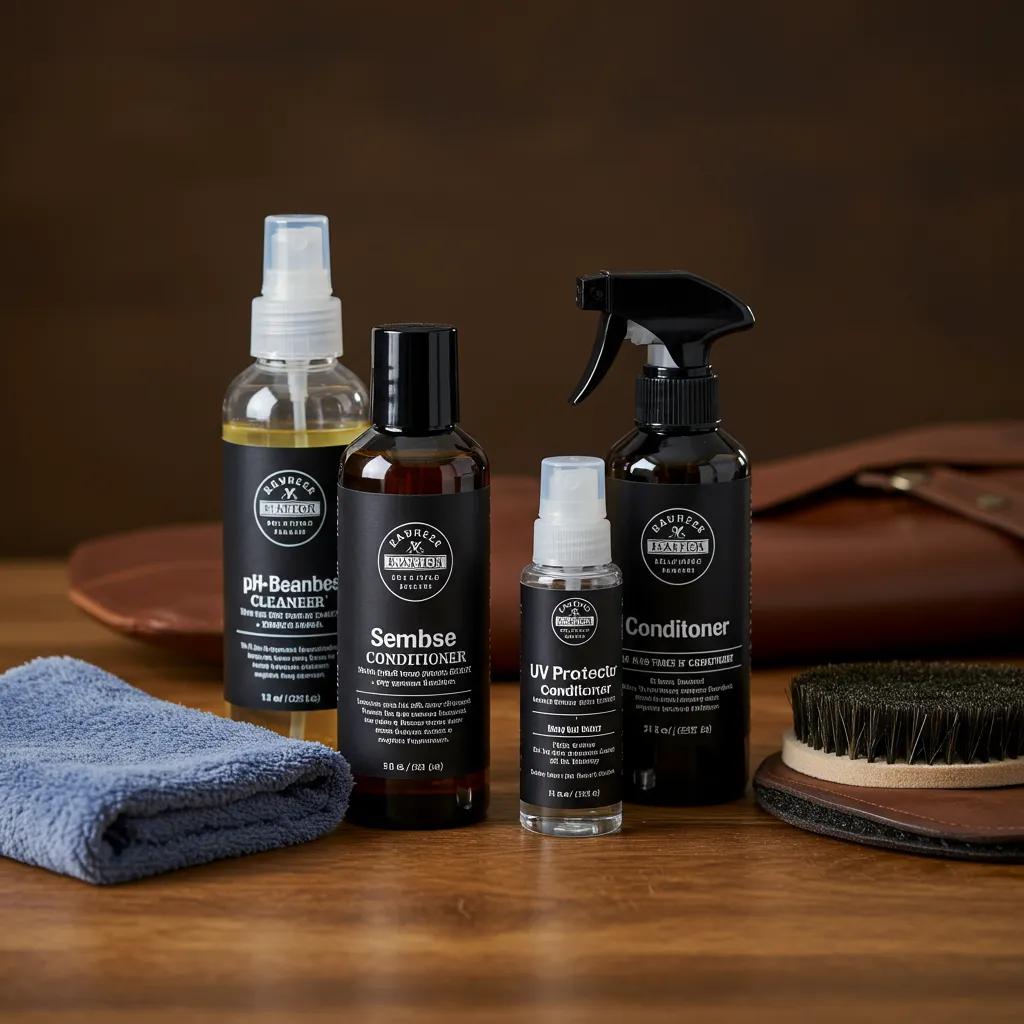
A simple maintenance rhythm — daily checks, weekly spot cleaning and monthly conditioning and inspection — preserves colour and extends service life. Daily tasks are quick visual checks and immediate spot care for spills or moisture. Weekly care focuses on gentle cleaning and light conditioning at stress points. Monthly, do a full inspection, run patch tests for any new product and reapply UV sprays or topcoats as needed. Adopting this schedule prevents small issues from becoming irreversible fading or transfer problems and keeps your leather consistently protected.
- Daily: Wipe with a soft, dry cloth to remove dust and spot wet areas or transfer.
- Weekly: Spot‑clean with a mild pH‑balanced leather cleaner and air‑dry away from heat.
- Monthly: Apply a light conditioner suited to the leather and patch‑test before any protective spray.
- Seasonal: Check sealant integrity and reapply pigmented top coats or UV spray for sun‑exposed items.
Keeping to this routine lowers the chance of dye bleed and fading while maintaining suppleness and colourfastness. If you need product recommendations or tailored guidance, Pakistan Leather’s product pages and sales team can advise on compatibility for sheep, goat, cow and buffalo leathers and on custom finishing options to match your use case. For purchases, custom orders or export enquiries, reach out to our sales team for fast, practical support.
How to Clean and Condition Dyed Leather Safely?
Safe cleaning starts with a pH‑balanced leather cleaner, a patch test and avoiding harsh solvents or household detergents that strip dye and oils. Use the cleaner sparingly with a soft cloth, work in small circular motions on soiled spots and always test in an inconspicuous area first. Choose a conditioner made for the leather type and apply thinly to prevent darkening or residue; buff lightly only when recommended and allow full absorption before use. These steps help retain the protective oils inside the leather and reduce micro‑abrasion that speeds dye loss.
Proper cleaning and conditioning keep leather flexible and support long‑term colour retention. Once you’ve set this routine, watch for signs that protection needs reapplying — the next subsection covers timing and cues.
How Often Should You Reapply Protection to Dyed Leather?
Reapplication depends on the product and how you use the item: UV sprays often need refreshing every 6–12 weeks with heavy sun exposure; pigmented top coats can last months to years depending on abrasion; conditioners are typically monthly for daily‑use pieces. Look for visual cues such as loss of sheen, dry patches, increased transfer on the cloth rub test or surface abrasion to tell you protection has dropped. High‑contact items like wallets and frequently used bags may need more frequent top‑coat work, while decorative pieces kept indoors may only need seasonal attention. Build a reapplication routine around observed wear patterns and the original finish type to keep dye stabilisation consistent.
Spotting these signs lets you act before fading or transfer becomes severe. If restoration is needed, follow a careful assessment, cleaning and colour repair process to get the best result — as described in the next section.
How Can You Restore Faded Dyed Leather and Revive Its Color?
Restoration starts with a careful assessment to decide whether the problem is surface fading, dye loss or structural damage — and the repair follows that diagnosis. Surface fading often responds to cleaning, conditioning and reapplication of a pigmented top coat; deeper dye loss may require colourant application or professional re‑dyeing for an even match. Always clean and prep thoroughly, test colourants on a hidden area and seal repaired zones with a compatible top coat to lock in the restored colour. The table below compares common restoration choices by durability, colour accuracy and skill required.
| Restoration Option | Durability | Skill Level |
|---|---|---|
| Leather balm / tone‑up | Short to moderate | Low — good for light fading |
| DIY re‑colouring kits | Moderate | Medium — needs careful matching and layering |
| Professional re‑dyeing | High | High — best match and longevity |
| Touch‑up pens for scuffs | Short‑term | Low — spot fixes only |
What Are the Steps to Restore Color on Faded Dyed Leather?
To restore colour: assess the damage, clean to remove contaminants, prepare the surface with a deglosser if needed, apply colourant in thin layers and seal with an appropriate top coat. Start by deciding whether the fading is superficial or needs re‑dyeing; clean thoroughly with a mild leather cleaner and let it dry completely. If you proceed with colour restoration, apply a matching colourant in thin, even passes, building layers until coverage is uniform and allowing full drying and cure time between coats. Finish with a compatible resin or wax‑based top coat and then condition to restore suppleness and protect the repair.
Careful layering and patch testing give the best chance of a seamless result. For extensive damage or difficult colour matches, choose professional re‑dyeing for the best durability and accuracy, as compared above.
Which Products Are Recommended for Leather Color Restoration?
Light fading and surface dulling respond well to leather balms and tone‑up creams for a quick colour refresh and conditioning. For more significant dye loss, re‑colouring kits or professional dyes provide more durable results. Balms are user‑friendly and suitable for minor fixes; re‑colouring kits with pigments plus clear finish give better control over larger areas but require careful application and drying. Professional re‑dyeing uses industrial dyes and controlled techniques for the most accurate match and longevity, especially on premium hand‑stitched goods. Choose products with the leather type in mind — avoid heavy pigments on aniline pieces unless a pigmented finish is intended.
If you’re unsure which path to take, test first and consult a professional when colour matching or technique is in doubt. Pakistan Leather can advise customers and wholesale clients on suitable restoration methods and product compatibility across sheep, goat, cow and buffalo leathers to help you choose between DIY and pro options.
Why Choose Pakistan Leather’s Dyed Leather Products for Long-Lasting Color and Quality?
Pakistan Leather is a manufacturer and exporter focused on high‑quality fashion leather garments and bags. Our production emphasises material choice, controlled colour development and finishing workflows that improve colourfastness and durability. We make custom, hand‑stitched pieces in sheep, goat, cow and buffalo leathers and can develop colours to client specifications, matching dyeing and finishing to the intended end use. Decisions in production — dye chemistry, fixation steps, testing protocols and finishing layers — all influence long‑term colour retention, and Pakistan Leather manages these variables to deliver products that meet performance expectations. For purchases, custom orders or export enquiries, contact our sales team to discuss capabilities and quality standards.
How Does Pakistan Leather Ensure Colorfastness and Durability?
Pakistan Leather pays attention to hide selection, controlled dyeing and finishing workflows that reduce surface dye and improve fixation, which together increase colourfastness and wear resistance. On the production floor we match dye chemistry to hide type, use suitable fixation agents and pick compatible top coats as part of quality control to lower the risk of dye transfer and premature fading. Hand‑stitched assembly and close inspection ensure seams and stress points receive consistent finishing, reducing localised wear and colour loss. These production controls help our dyed leather retain colour under normal use when paired with the recommended maintenance routine.
What Care Solutions Does Pakistan Leather Recommend for Their Products?
For routine care, Pakistan Leather suggests a simple schedule: daily dusting, weekly spot‑cleaning with a mild leather cleaner, monthly conditioning with a suitable leather conditioner and seasonal inspection for UV spray or pigmented top‑coat touch‑ups if items see outdoor exposure. For dyed pieces with transfer risk, perform a cloth rub test and, if needed, apply a thin film‑forming sealant after patch testing for compatibility. For wholesale or custom orders, Pakistan Leather can recommend finishes and protective options during product development and suggest maintenance supplies to match intended use cases. For purchases, custom orders or export enquiries, contact our sales team for tailored support.
This practical manufacturer guidance combined with an easy user routine helps buyers preserve colour and value throughout each dyed leather item’s life. The article ends here with restoration and protection advice tied to production‑aware recommendations and maintenance checklists.
Frequently Asked Questions
What types of leather are most susceptible to dye transfer?
Aniline and semi‑aniline leathers are most likely to show dye transfer because their surface dyes are sometimes not fully fixed. These leathers can bleed colour, especially when they contact lighter fabrics or meet moisture and friction. Pigmented leathers are generally more resistant but can still transfer if the finish is damaged. Knowing your leather type helps you choose the right preventive steps.
How can I tell if my leather needs conditioning?
Look for visible dryness, a rough or dull surface, stiffness or early cracking — these are signs the leather needs conditioning. A quick rub test can help: if a clean cloth picks up colour, the leather may benefit from conditioning to restore suppleness and better stabilise dyes.
Can I use regular household cleaners on dyed leather?
No. Household cleaners often contain harsh chemicals that strip oils and dyes, causing discolouration and damage. Use a pH‑balanced leather cleaner made for leather care. These products remove dirt gently without harming the finish. Always patch‑test in an inconspicuous spot before treating the whole item.
What should I do if my dyed leather item gets wet?
If leather gets wet, act quickly: blot moisture with a soft, dry cloth — don’t rub. Let the item air dry naturally away from direct heat or sunlight, which can cause hardening and fading. After drying, check for damage or transfer and consider applying a conditioner to restore moisture and flexibility.
How can I protect my dyed leather from fading in sunlight?
Limit sunlight exposure by storing items away from windows and using covers when not in use. Apply a UV‑protectant spray or a pigmented topcoat designed for leather after a patch test. Regular conditioning also helps maintain natural oils that protect against fading and keep leather supple and vibrant.
Is it safe to use a hairdryer to speed up the drying process of wet leather?
No. A hairdryer’s heat can dry leather too fast and cause cracking. Let leather air dry at room temperature. If you need airflow, use a fan to circulate air, but avoid direct heat. Once dry, condition to restore lost moisture.
What are the benefits of using a professional for leather restoration?
Professional restoration gives you expert colour matching and repair techniques that produce seamless results. Professionals have access to higher‑grade materials and specialised tools to restore appearance without further harm. They can also diagnose hidden issues and provide a durable, comprehensive solution — valuable for sentimental or high‑value pieces.
Conclusion
Protecting dyed leather keeps colours vibrant and extends an item’s useful life. With the right sealing, conditioning and UV protection strategy, you can avoid dye transfer and slow fading so your leather stays beautiful and functional. For product recommendations, custom finishing or care advice, explore Pakistan Leather’s range or contact our team — we’ll help you choose the right solution for your leather care needs. Start protecting your leather today to enjoy its look and performance for years to come.


