
Outfit Ideas with Leather Overcoats
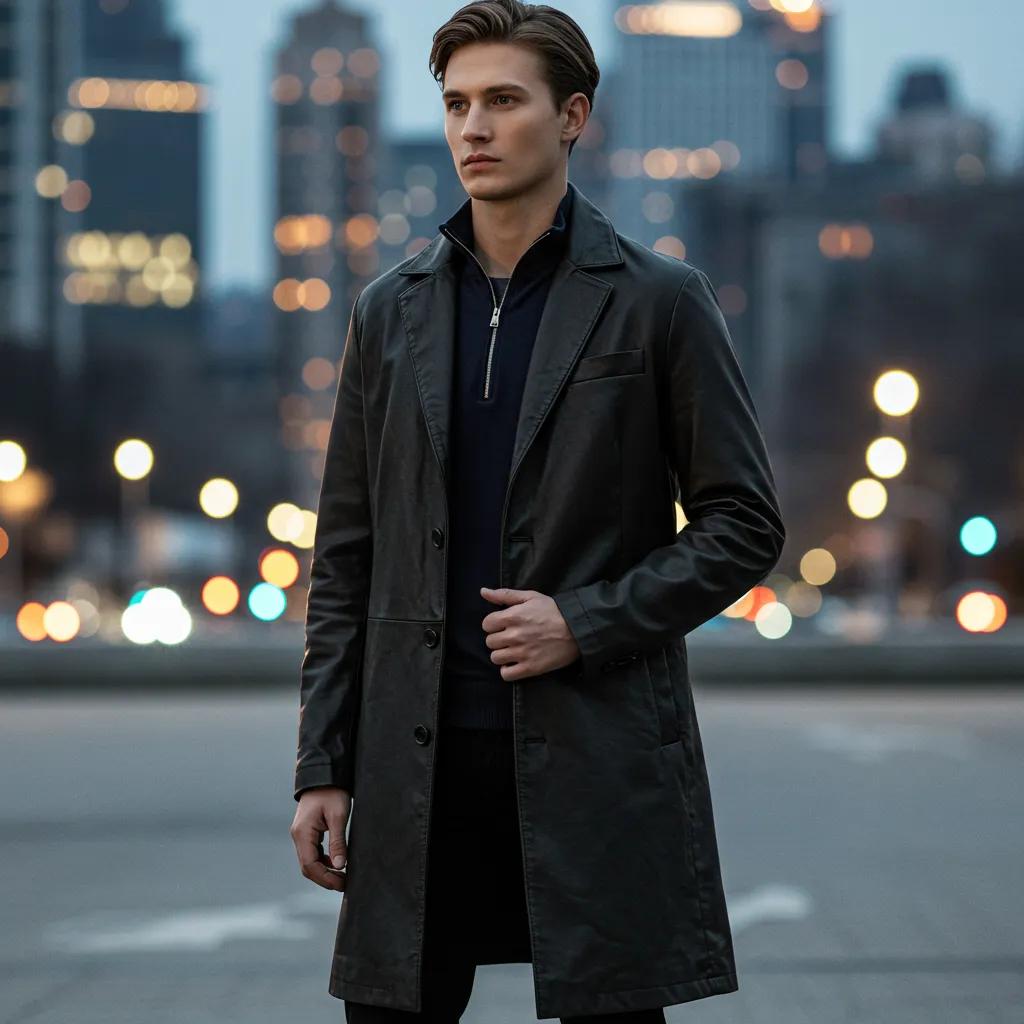
Leather Overcoat Outfit Ideas — How to Style and Wear Leather Overcoats for Every Occasion
A leather overcoat is a long, structured coat that instantly lifts an outfit while keeping you ready for changing weather. In this guide we explain why overcoats work — durable exterior leathers, considered cuts and insulated linings combine to give lasting style, protection and comfort. You’ll find the key 2025 styles to know, ready-made outfit formulas for formal and casual occasions, step-by-step winter layering, a clear comparison of sheep, goat, cow and buffalo leathers, and accessory rules that finish a look without overpowering it. If you’ve ever struggled to balance warmth with silhouette or to translate a trend into something wearable, this article gives practical outfit recipes, material pointers, and care and tailoring tips to help you shop smarter and style with confidence. The sections that follow move from trend-led styles to business-ready formal looks, versatile day-to-night casual outfits, winter layering strategies, a materials comparison to guide purchases, and accessory advice that makes leather overcoats perform at their best.
Leather’s Enduring Popularity in Fashion and Clothing
These shifting uses and design approaches explain why leather remains a staple of clothing and fashion across eras. Understanding the creative practices and production methods behind leather helps explain its lasting role as a material for both utility and style.
Leather and The World of Fashion, 2024
What Are the Key Leather Overcoat Styles to Know in 2025?
A style is shaped by cut, length, collar and finish — and those choices dictate how a coat sits with your proportions and the textures you pair it with. In 2025 the strongest signals favor oversized silhouettes, trench-style belted coats, collarless minimal pieces, moto-inspired detailing and refined, tailored long coats. Each serves a different wardrobe purpose, from streetwear to formal outerwear. Knowing these distinctions helps you pick the right piece for your body and closet, and lets you bring in this season’s color and finish directions like jewel tones and vintage distressing. Below is a concise list of the top styles to use when shopping or putting outfits together, followed by a quick comparison table to scan features and ideal uses.
- Oversized leather overcoat: Room and presence balanced by slim underlayers for a contemporary silhouette.
- Trench leather coat: Belted, longer length — polished and practical for city life and light rain.
- Collarless leather coat: Clean neckline and minimal seams that pair neatly with high-neck knits.
- Moto-influenced long coat: Asymmetric zips, paneling and reinforced details for a street-ready edge.
- Tailored long leather coat: Structured shoulders and crisp seams for formal and professional settings.
This short list highlights each style’s practical use and leads into focused advice on styling oversized cuts for a modern look.
How to Style Oversized Leather Overcoats for a Modern Look

An oversized leather overcoat reads contemporary when you deliberately play with proportion: roomy outer layers matched with fitted or streamlined pieces underneath. To keep the look intentional rather than sloppy, anchor the lower half with slim jeans, tapered trousers or a fitted midi dress, and pick footwear that defines the hem — Chelsea boots or clean, minimal sneakers work well. Layer with thin insulating mid-layers like merino or lightweight technical thermals to avoid bulk while retaining warmth. For color balance, keep your base neutral and let the coat’s finish — matte black, deep navy or a warm brown — act as the focal point. Next, we explain why trench styles remain a go-to for polished versatility.
What Makes Leather Trench Coats a Timeless Fashion Choice?
The leather trench stays classic because it pairs a belted waist and longer hem with a structured front — often double-breasted or simply clean — so it sits between formal and casual. The belt gives waist definition useful over suiting or dresses, and the length protects clothing while balancing trousers. Material and lining matter: smoother sheep or supple goat leather with a wool or thermal lining drape and feel more formal, while distressed or waxed finishes lend a relaxed city vibe. These qualities make the trench reliable for both the office and elevated weekends, and they lead naturally into how to pair overcoats with tailored suiting for business looks.
| Style | Key Features | Best Occasions |
|---|---|---|
| Oversized | Roomy cut, dropped shoulders, relaxed silhouette | Street style, layered urban looks |
| Trench | Belted waist, longer length, structured lapels | City commuting, polished casual, business-casual |
| Collarless | Clean neckline, minimal seams | Modern minimal wardrobes, evening layering |
| Moto-influenced | Asymmetric zips, paneling, reinforced seams | Edgy streetwear, weekend outfits |
| Tailored long coat | Structured shoulders, clean tailoring | Formal events, business professional settings |
How Do You Create Formal Leather Overcoat Looks for Men and Women?
Formal leather looks rely on sleeker cuts, finer leathers and coordinated tailoring so the coat supports — not swallows — your professional or evening outfit. The principle is proportion: the coat should mirror the lines of your suit or dress, with shoulder seams and hem length that complement the piece underneath. For business settings choose polished finishes in classic neutrals — black, navy or deep tan — and refined footwear. Below are replicate-ready outfit formulas you can adapt for any gender-neutral or tailored wardrobe; after these we move into elevated evening treatments for special occasions.
- Leather overcoat + single-breasted suit + derby shoes: a polished, office-ready layer.
- Leather trench + crisp shirt + loafers: streamlined, business-casual with a refined silhouette.
- Tailored long leather coat + sheath dress or tuxedo details + polished heels or oxfords: elevated evening styling.
What Are the Best Outfit Combinations for Business Professional Leather Overcoats?
In business professional contexts prioritize clean lines and restrained texture so the coat complements tailoring rather than competes. Aim for a coat length that sits just below the suit jacket hem; avoid pieces that are excessively long or very cropped, which disturb proportion. Mid-weight leathers — goat or fine-grain cow — with a smooth finish pair best with wool suiting in navy, charcoal or black. Finish with polished oxfords, cap-toe derbies or closed loafers to keep the ensemble formal. Next we cover how to adapt those principles for evening events, where finish and accessories shift the tone.
How to Style Leather Overcoats for Evening and Special Events?
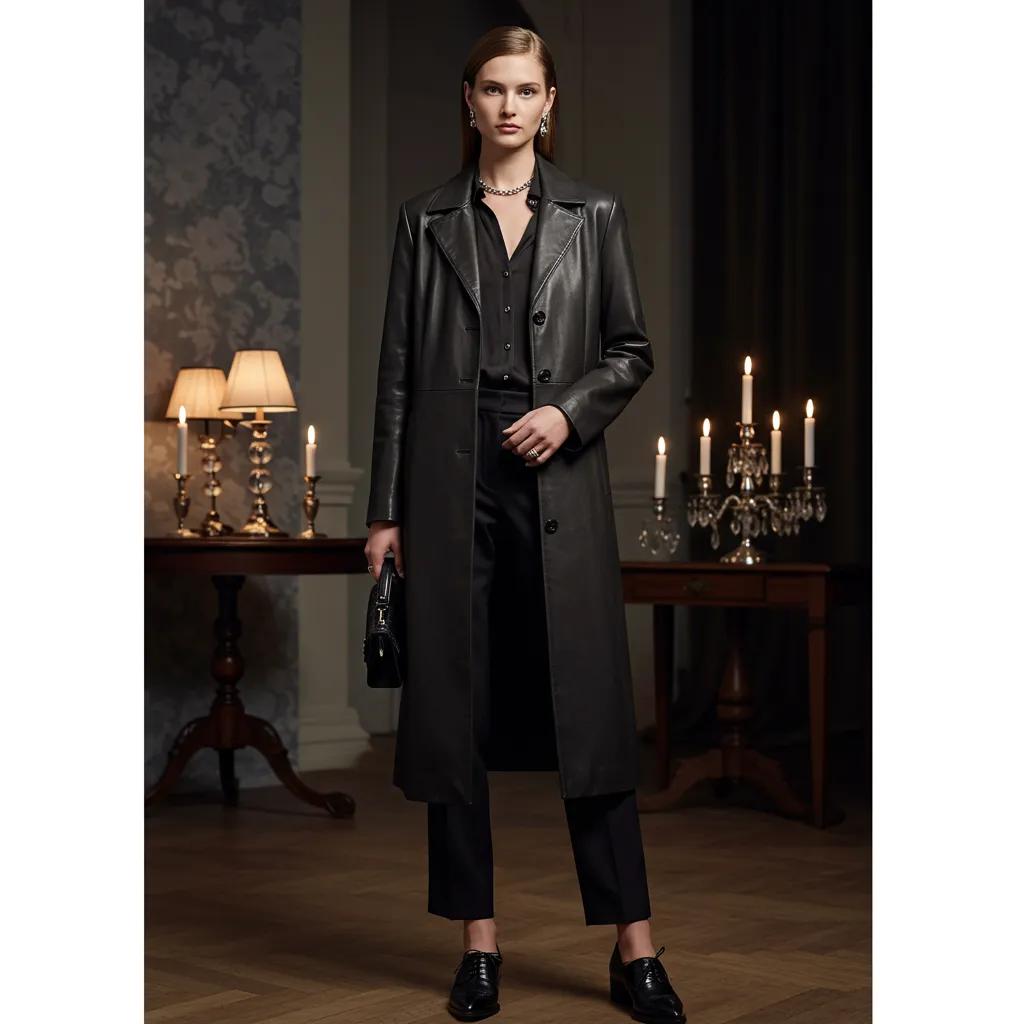
Evening looks favor streamlined silhouettes and luxe pairings: pick tailored long coats or minimalist collarless pieces in deep black or jewel tones, and layer over silk, satin or fine wool to lift the overall feel. Add a statement accessory or clutch to contrast leather’s texture, and choose highly polished shoes — leather loafers or sleek heels — to reinforce formality. For men, pairing a tailored long leather coat with tuxedo-style elements or a monochrome suit keeps things refined. How you finish the look with accessories and shoe shine determines whether the same overcoat becomes event-ready or stays casual.
What Are Casual Leather Overcoat Outfit Ideas for Day-to-Night Versatility?
Casual overcoat outfits are all about adaptability: pieces that move from daytime errands to a relaxed evening with small swaps in footwear or accessories. Build modular layers — tees or shirts at the base, mid-layer knits or hoodies, and the leather overcoat as the outer statement — so swapping sneakers for boots or adding a scarf changes the mood. Below are street-style recipes and weekend combos that keep comfort without losing polish, followed by denim pairings and pocket-forward looks for active days.
- Hoodie + slim straight jeans + oversized leather overcoat + sneakers: relaxed, modern balance.
- Breton tee + cropped denim + collarless leather coat + Chelsea boots: minimal, Parisian-tinged outfit.
- Lightweight knit + tapered chinos + moto-influenced long coat + rugged boots: smart-casual with edge.
How to Wear Leather Overcoats with Jeans and Street Style Essentials?
Denim changes an outfit’s energy: skinny or slim jeans sharpen an oversized coat, straight or relaxed fits pair better with tailored long coats, and cropped hems showcase boot silhouettes. Layer a tee or lightweight knit for mild evenings and switch to a hoodie or flannel mid-layer for colder days; the aim is to keep bulk centered so shoulder lines stay clean. Footwear — white minimalist sneakers, chunky boots or Chelsea boots — anchors the hem and sets the vibe. For product inspiration, consider handcrafted pieces that emphasize quality — Shop similar: Pakistan Leather on Pinterest — so your outfit reads intentional and durable.
What Weekend Leather Overcoat Looks Are Comfortable and Stylish?
Weekend outfits prioritize movement, roomy pockets and soft mid-layers while keeping a considered silhouette; think merino or cotton knits under a relaxed-fit overcoat. Pair casual trousers or chinos with comfortable sneakers for daytime errands, then swap to polished boots and a textured scarf for evening plans. Look for overcoat linings that add modest warmth so you can wear lighter mid-layers without sacrificing comfort during active days. These practical combinations lead naturally into winter layering techniques that maximize warmth without bulk.
How Can You Master Winter Layering with Leather Overcoats?
Winter layering with a leather overcoat follows a simple hierarchy: a base layer for moisture control, an insulating mid-layer for thermal retention, and the leather overcoat as the protective outer shell that blocks wind and sheds precipitation. Each layer serves a clear function — regulating moisture, trapping heat and resisting weather — so choose fabrics and fits that preserve movement while holding warmth. Use slim but warm base layers like merino or technical thermals, mid-layers in wool or fleece, and consider coats with quilted or wool linings for extra insulation. The steps below give a practical sequence for building a winter-ready outfit that keeps your silhouette intact.
- Start with a fitted, moisture-wicking base layer to keep skin dry and insulation efficient.
- Add a mid-layer of merino wool or a lightweight down vest for core warmth without bulk.
- Finish with a leather overcoat that has a thermal or wool lining and enough room to layer comfortably.
What Are the Best Layering Pieces to Wear Under a Leather Overcoat?
Choose thin technical base layers, medium-weight merino or cashmere sweaters, and slim insulated vests when extra core warmth is needed; these fabrics offer high warmth-to-weight ratios and compress easily under a structured outer layer. For very cold days pick mid-layers with strong thermal ratings but narrow profiles — lightweight down or technical synthetics work well — so coat lines stay clean. Smooth inner surfaces also reduce friction with leather linings, helping the coat sit and move correctly. Next we cover winter accessories that complement these layers.
How to Combine Leather Overcoats with Winter Accessories for Warmth and Style?
Match accessory scale and finish to the coat: pair chunky scarves with oversized coats and fine cashmere scarves with tailored long coats to keep proportions balanced. Glove choices — leather or lined wool — should work with sleeve length so cuffs overlap comfortably; insulated boots keep feet warm and align with coat weight. Hats and beanies should echo the coat’s silhouette rather than compete with it — structured caps for tailored coats and slouchy knits for relaxed outerwear. These accessory rules maintain visual cohesion across layers and lead into our guidance on selecting leather types and colors for long-term satisfaction.
How Do You Choose the Perfect Leather Overcoat: Materials, Colors, and Fit?
Picking the right overcoat means weighing leather type (which affects weight and durability), color (timeless vs. trend-forward) and fit details like shoulder seam placement and sleeve length. The key is understanding trade-offs: lighter, softer leathers drape beautifully but age differently than heavier hides that keep structure. Below is a comparison of common leathers — sheep, goat, cow and buffalo — with attributes to help you choose the right material, followed by notes on 2025 color trends and fit checkpoints to use when buying.
| Leather Type | Weight / Softness | Durability | Best Use |
|---|---|---|---|
| Sheep | Lightweight, very soft | Moderate | Tailored, drapey overcoats and dressier cuts |
| Goat | Medium weight, supple | High | Versatile all-rounder for both casual and polished coats |
| Cow | Medium-heavy, structured | Very high | Structured long coats and trench-like pieces |
| Buffalo | Heavy, rugged | Extremely high | Heavy-duty outerwear and weather-resistant overcoats |
What Are the Differences Between Sheep, Goat, Cow, and Buffalo Leather Overcoats?
Sheep leather is prized for its soft drape, ideal when you want an elegant coat that moves with the body. Goat leather balances suppleness and durability — it resists creasing yet finishes neatly, making it a versatile choice. Cow leather gives structure and longevity for pieces that should hold their shape, while buffalo leather is the most rugged and heavy, best for utility-focused outerwear where protection matters most. Knowing these differences helps you match leather to the silhouette and the wear you expect.
Which Leather Overcoat Colors Are Trending in 2025?
2025 leans on enduring neutrals — black, deep navy and rich tan — with stronger appearances from jewel tones like oxblood, forest green and deep plum for statement pieces. For long-term wear, neutrals are safest since they integrate with most wardrobes and read formal; jewel tones are a great way to add personality or create a seasonal capsule. Finish matters too: matte black reads formal, while distressed browns feel vintage and casual. Match color and finish to how you plan to wear the coat so it works across outfits and occasions, then use accessory pairings to complete the look.
After weighing materials and color, many buyers ask about production and customization. Pakistan Leather on Facebook manufactures across sheep, goat, cow and buffalo leathers with hand-stitched craftsmanship and color customization for individual or wholesale needs. Their experience as a maker and exporter lets customers request custom finishes, linings and tailored fit options that suit the leather chosen. When shopping, look for handcrafted details — quality linings and neat stitching — as signs of long-term performance. These manufacturing options connect material knowledge to practical ways to buy custom or bulk orders.
Leather’s Enduring Popularity in Fashion and Clothing
These shifting uses and design approaches explain why leather remains a staple of clothing and fashion across eras. Understanding the creative practices and production methods behind leather helps explain its lasting role as a material for both utility and style.
Leather and The World of Fashion, 2024
What Accessories Best Complement Leather Overcoat Outfits?
Accessories finish a leather overcoat outfit by balancing scale, texture and function: shoes ground the silhouette, bags should match coat length for proportion, and scarves or jewelry adjust formality. The rule of thumb is visual weight — larger accessories suit larger coats and vice versa — and always match the accessory’s function to the look. Below are suggested shoe pairings and a short set of accessory rules to finalize outfits for different occasions. After that we include a brief wholesale and custom-order summary for brands or retailers planning coordinated collections.
| Offer Type | MOQ (Indicative) | Lead Time (Indicative) | Customization Options |
|---|---|---|---|
| Bulk Order | 50 units | 6–10 weeks | Private labeling, color development |
| Private Label | 100 units | 8–12 weeks | Labeling, bespoke trims, lining choices |
| Sample & Small Batch | 10–25 units | 4–8 weeks | Material sampling, finish trials |
- Accessorize thoughtfully: Match scale and texture so each element complements the coat.
- Match function to style: Use insulated pieces for winter and refined items for formal settings.
- Coordinate hardware and finishes: Align metal tones and zipper styles with the coat’s aesthetic.
These accessory principles complete leather overcoat outfits and link styling insight to practical manufacturing and wholesale options for anyone sourcing or custom-ordering pieces.
Frequently Asked Questions
What are the best ways to care for a leather overcoat?
Regular care keeps a leather overcoat looking good for years. Wipe away dust and surface dirt with a soft, damp cloth. For deeper cleaning, use a leather cleaner made for the specific hide. Condition the leather every few months with a quality conditioner to keep it supple and prevent drying or cracking. Store the coat on a wide, padded hanger in a cool, dry place and avoid prolonged exposure to direct sunlight or heat sources.
Can leather overcoats be worn in rainy weather?
Leather can handle light rain if you take precautions. Most leathers aren’t fully waterproof, so treat the coat with a leather-safe water repellent and avoid heavy, prolonged exposure to rain or snow. If the coat gets wet, blot the moisture with a soft cloth and let it dry naturally away from direct heat. For heavy weather, layer a waterproof shell over your leather to protect it.
How do I choose the right size for a leather overcoat?
Start with chest, waist and hip measurements and consult the brand’s sizing chart, since cuts vary between makers. Try the coat with the kinds of layers you plan to wear underneath. Shoulders should follow your natural line and sleeves should finish just past the wrist. If you plan on thicker layering, choose a slightly roomier size to keep mobility and comfort.
Are leather overcoats suitable for all body types?
Yes — the right cut and fit make leather overcoats flattering for many body types. Oversized styles can add balance to slimmer frames, while tailored cuts emphasize structure for broader shoulders. A-line or belted options create shape where needed. Pay attention to proportions and experiment with underlayers to find the most flattering silhouette.
What are some popular color choices for leather overcoats?
Classic neutrals — black, brown and navy — remain favorites for versatility and longevity. Jewel tones like deep green, burgundy and plum are popular for statement pieces. When choosing color, think about how the coat will integrate with your wardrobe: neutrals are safer for formal wear, while bolder hues deliver personality for casual or creative looks.
How can I style a leather overcoat for different occasions?
For formal events, layer over tailored suits or elegant dresses and finish with polished shoes. For casual outings, pair the coat with jeans and a tee or hoodie. To go from day to night swap sneakers for dress shoes or heels and add statement accessories. A leather overcoat’s versatility makes it easy to dress up or down for meetings, dinners or weekend plans.
Conclusion
A leather overcoat is a powerful wardrobe piece — versatile, durable and stylish when chosen and worn with purpose. Understanding styles, materials and layering lets you create looks that move effortlessly from day to night. Embrace leather’s timeless appeal and curate pieces that reflect your style and needs. Explore our selection of premium leather overcoats and discover options built to last and designed to wear well.


