
Maintaining Exotic Leather Goods
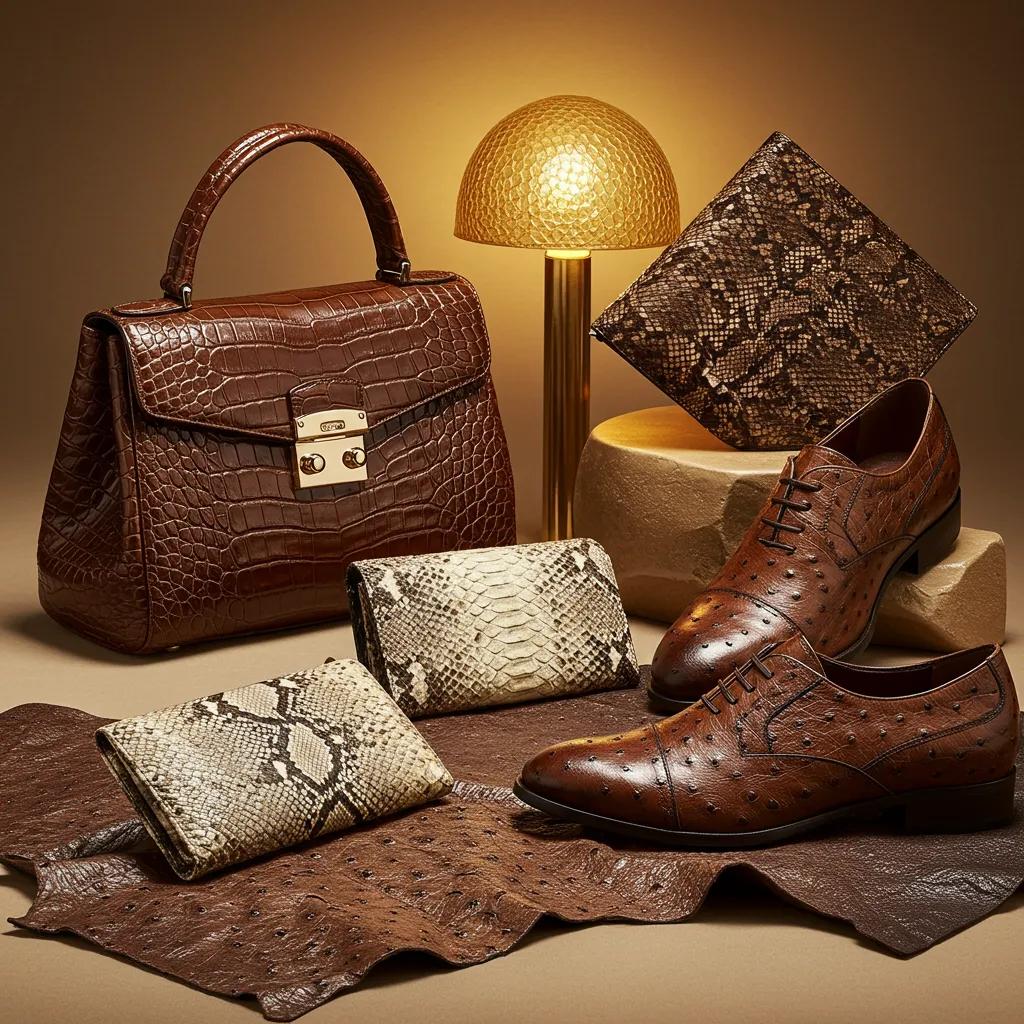
Exotic Leather Care Guide — Preserve the Beauty and Value of Your Luxury Exotic Leather Pieces
Exotic leather—sourced from skins such as crocodile, python, ostrich and stingray—needs intentional, species-specific care to keep its finish, shape and market value. Unlike standard cowhide, exotic skins have scales, quill follicles and unique grain that react differently to cleaners, conditioners and environmental stresses. Learn how to prevent cracking, dry rot and loss of sheen with practical, step-by-step guidance for crocodile, snake, ostrich and python leather. We explain safe cleaning and conditioning methods, which protectants and storage practices extend lifespan, how to use products like Saphir Reptan and Leather Honey correctly, and when to bring in professional restoration. Clear comparison tables, checklists and manufacturer-backed repair options help you protect high-value pieces with confidence.
What Are Exotic Leathers and Why Do They Require Special Care?
Exotic leathers come from animals with distinct surface features—overlapping scales, raised quill follicles or pebble-like textures—that change how moisture, oils and friction behave on the skin. Those structural differences mean standard cowhide treatments can do more harm than good: solutions may seep under scales, strip natural oils, or flatten quill areas. Proper exotic leather care prioritizes preserving natural oils, maintaining scale adhesion and avoiding harsh pH or solvent-based products that strip tannins or finishes. Knowing the anatomical and chemical differences helps you choose cleaners, conditioners and protectants that protect both appearance and longevity. The next section outlines which species need specific handling and what to watch for with each.
Which Types of Exotic Leather Need Unique Maintenance?
The main exotic leathers are crocodile/alligator, python and other snakes, ostrich, lizard and stingray—each with its own vulnerability. Crocodile and alligator bear large belly panels that dry and crack if oils are removed, so measured conditioning is essential. Python and similar snakes have delicate overlapping scales that can lift or dull if scrubbed the wrong way, so always clean with the scale direction. Ostrich leather’s quill follicles trap dust and need gentle brushing and occasional conditioning to stay supple. Identifying the principal concern—scale adhesion, oil loss, quill health or surface hardness—lets you select the right cleaning and conditioning approach for each skin type.
Ostrich Skin and Leather: A Review of Quality and Production
ABSTRACT: Tanned ostrich skin produces a distinctive, highly valued leather prized for its quill pattern, suppleness and durability. Its premium price reflects careful grading, controlled production and export markets—historically significant in southern Africa and Japan. Quality depends on factors such as bird age, nutrition, minimising on‑farm scarring, careful transport and strict abattoir and tannery handling to avoid damage. Proper husbandry and processing are essential to maximise skin yield and market grade.
What Makes Exotic Leather Different from Regular Leather?
Exotic skins differ both anatomically and chemically: scales and quills change surface porosity and wear behavior compared with cow, sheep or goat grain. Tanning and finishing for exotics often aim to preserve scale structure and color, making these leathers more sensitive to solvents and alkaline cleaners. Many household leather products assume uniform grain and porosity and can over-condition, under-protect or leave residues that settle beneath scales. Correct maintenance therefore requires reptile-safe or specifically formulated exotic products, gentle tools and a test-first routine to ensure compatibility before full application.
How Do You Properly Clean Exotic Leather Goods?
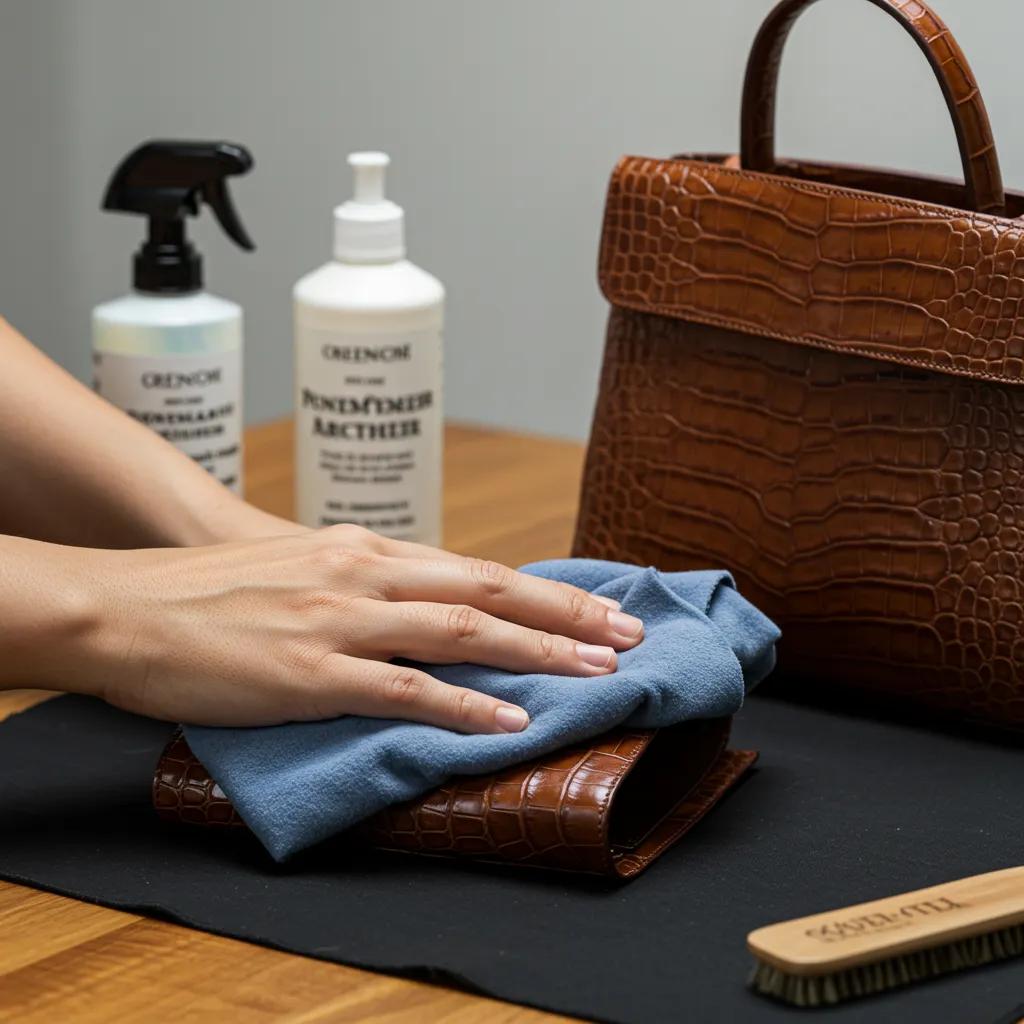
Cleaning exotic leather starts with dry dusting, spot testing and moving with the natural orientation of scales or quill patterns to avoid lifting or abrasion. Follow a simple workflow: remove surface dust, test the cleaner in a hidden area, apply a diluted reptile-safe gel or mild pH-balanced solution with a soft applicator, then blot dry. Below you’ll find step-by-step cleaning for common exotic skins, recommended tools and a quick comparison of cleaner types by species. These steps help avoid mistakes like over-wetting, circular scrubbing or using solvent degreasers that separate scales.
Introductory cleaning checklist for exotic leather:
- Remove surface dust: Use a soft natural-bristle brush or a clean microfiber to sweep debris along the grain or scale direction.
- Spot-test the cleaner: Apply a small, diluted amount in an inconspicuous spot and let it dry fully to check for color or finish changes.
- Clean gently: Work with light strokes along scales using a damp applicator; avoid saturating the skin and blot rather than rub.
This checklist prevents common cleaning errors. The table below matches cleaner recommendations to skin structure so you can pick compatible chemistry and technique.
| Leather Type | Recommended Cleaner | Notes |
|---|---|---|
| Crocodile / Alligator | Mild reptile-safe gel (pH-balanced) | Apply with a soft cloth on belly panels; avoid soaking or pooling. |
| Python / Snake | Light surfactant solution or diluted reptile cream | Work in the scale direction; use minimal moisture to prevent lifting. |
| Ostrich | pH-neutral leather cleaner | Use a soft brush for quill follicles; condition lightly if the skin feels dry. |
Matching cleaner chemistry and method to the skin’s structure reduces the risk of scale lifting and finish loss. The next sections cover the safest tools and brand types for exotic-leather cleaning.
What Are the Best Cleaning Methods for Different Exotic Leathers?
Crocodile and alligator do best with minimal moisture and targeted conditioning on belly plates: dust first, then apply a tiny amount of mild reptile-safe gel with a soft cloth, working outward to avoid pooling. For python and other snakes, clean along the scale direction with a slightly damp microfiber or a reptile-specific cleaner, then buff gently to restore shine without dislodging scales. Ostrich benefits from brushing to free trapped dust from quill follicles, followed by a sparing application of pH-neutral cleaner and drying before conditioning. Avoid household detergents, alcohol-based solvents and abrasive tools—these speed cracking and dry rot.
Which Exotic Leather Cleaners and Tools Should You Use?
Keep these tools on hand: a soft natural-bristle brush, lint-free microfiber cloths, soft foam or cotton applicators and thin cotton swabs for tight crevices. Choose pH-balanced reptile-safe cleaners, mild saddle-soap alternatives formulated for exotics or specialist gels that explicitly list compatibility with crocodile and python. Always dilute concentrated cleaners per the manufacturer’s directions and test in a hidden area to confirm color fastness and finish reaction. Use a soft cloth for broad panels and cotton swabs for scale edges to keep mechanical stress low and preserve adhesion.
What Are the Best Conditioning Techniques for Exotic Leather?

Conditioning restores natural oils, improves flexibility and reduces friction between scales or quill follicles—when done correctly, it prevents cracking and keeps the surface lively. Select conditioners specifically formulated for exotic skins—reptile creams, light wax emulsions or products that list compatibility with crocodile, python and ostrich—to avoid heavy residues that darken or attract dirt. Apply very thin layers, work along the scale direction and allow the product to absorb naturally before a light buff. Over-conditioning or heavy applications can cause buildup and weaken finishes. The table below summarizes suitable conditioners, suggested frequency and typical use cases.
This table summarizes conditioner recommendations by skin:
| Skin Type | Conditioner Type | Application Frequency |
|---|---|---|
| Crocodile / Alligator | Reptile cream or light leather emulsion | Every 6–12 months, adjusted for climate and wear |
| Python / Snake | Reptile-specific cream (very thin application) | Every 6–18 months; check more often in dry climates |
| Ostrich | Neutral leather balm with low wax content | Every 6–12 months; focus on quill areas after cleaning |
Choice and frequency depend on species, climate and use. The next section describes safe application steps for well-known products like Saphir Reptan and Leather Honey.
Pakistan Leather’s manufacturing experience offers valuable, practical guidance: as a maker and exporter of premium leather garments and accessories, they regularly advise clients on conditioner selection and product customization. Their hands-on work with varied leathers informs recommendations that help retailers and owners choose compatible care products to maintain long-term quality.
How to Apply Conditioners Like Saphir Reptan and Leather Honey Correctly?
Always start with a clean, fully dry item and spot-test conditioners in a hidden area for darkening or finish change. For Saphir Reptan or Leather Honey on reptile or exotic skins, use a very small amount on a cotton-tipped applicator, move gently in the scale direction, spread thinly and wipe away any excess with a soft cloth. Let the product absorb for up to 24 hours before a light buff; never use heat or forced drying. For high‑value pieces, treat one panel at a time and reassess before covering the whole surface.
Pakistan Leather can recommend product pairings by skin type and supply bespoke care kits or wholesale sourcing for retailers. Consulting the manufacturer helps ensure correct dilution, frequency and product choice for your specific exotic item.
How Often Should You Condition Different Exotic Leather Types?
Conditioning frequency varies by species, climate and use. Crocodile generally benefits from conditioning every six to twelve months; python can range from six to eighteen months, with closer checks in dry regions. Ostrich typically follows a six-to-twelve-month rhythm, concentrating on quill follicles when signs of dryness appear. Look for loss of sheen, stiffness, fine surface cracks or dull patches as cues to condition. Inspect visually and by touch and avoid routine over-conditioning, which causes buildup and attracts dirt.
How Can You Protect Exotic Leather from Damage and Wear?
Protection combines the right products, sensible handling and regular maintenance to reduce cracking, dry rot and abrasion. Use protective sprays and UV mists formulated for exotic leathers sparingly and always test first—some protectants can alter sheen or texture. Avoid prolonged sun exposure, repeated contact with water or oils, and abrasive surfaces that wear scales and quills. If moisture occurs, dry gently and condition if needed. The table below helps match protectant types to typical use cases so you can choose the right strategy for daily wear, occasional exposure or travel.
Intro to protectant comparison:
- The following table compares common protectant types and when to use them, so you can choose between waterproofing sprays, UV mists and light barrier creams.
| Protectant Type | Use Case | Caution |
|---|---|---|
| Waterproofing spray | Light, occasional moisture protection | Spot-test first; avoid frequent use on delicate scales |
| UV protectant mist | Protection during prolonged sun exposure | May slightly change sheen; re-test after 24 hours |
| Light barrier cream | Prevents surface staining from oils | Apply sparingly to prevent residue buildup |
No single protectant fits every scenario—select based on exposure risk, species and finish. The next subsection outlines common mistakes that speed cracking and how to avoid them.
What Protective Products Are Recommended for Exotic Leather?
Choose specialist waterproofing sprays made for exotics, low-residue UV mists and thin barrier creams applied sparingly after cleaning. Use products that explicitly state compatibility with reptile or exotic leathers and always spot-test on an underside or hidden seam. Reapply only as needed—overuse can darken finishes, change texture or attract grime. The right protectant strategy reduces moisture ingress and UV damage while preserving natural oils.
How to Avoid Common Mistakes That Cause Cracking and Dry Rot?
Well-meaning but harmful actions include using household cleaners, over-conditioning and drying with direct heat; these remove oils and weaken fibers. To prevent dry rot, blot and air-dry wet items at room temperature, condition only when signs appear and avoid storing exotic leather in very hot or extremely dry spaces. Regular, gentle inspections catch early cracking or stiffness so you can address issues with careful conditioning instead of aggressive restoration. Consistent, cautious care keeps scales adhered and quill follicles intact and reduces the need for professional repair.
How Should You Store Exotic Leather Goods to Maintain Their Quality?
Good storage controls temperature, humidity, airflow and support to preserve shape and prevent deterioration. Aim for steady, moderate temperatures and relative humidity that avoids both drying and mold growth so natural oils stay balanced. Use breathable dust bags and acid-free tissue to protect surfaces while allowing air exchange; structured stuffing preserves form for bags and garments. The following subsections detail ideal environmental ranges and concrete techniques to maintain structure and prevent damage.
Introductory storage checklist:
- Follow these core dos and don’ts to protect exotic leather during short- and long-term storage.
- Store items in breathable dust bags and wrap delicate areas with acid-free tissue to prevent off‑gassing and allow airflow.
- Keep items in a climate-stable spot away from direct sunlight and heat sources.
- Lightly stuff bags and sleeves with soft, acid-free material to preserve structure without compressing scales.
This checklist highlights the environmental and physical controls that preserve exotic leather. The next subsection gives specific ranges and rationale.
What Are the Ideal Environmental Conditions for Storing Exotic Leather?
Aim for steady temperatures around 15–22°C (59–72°F) and relative humidity near 40–55% to limit oil loss and fungal growth. Sudden swings in humidity or heat stress natural oils and the adhesives that hold scales, causing shrinkage or lifting. Good ventilation prevents condensation and stale pockets that encourage mold—avoid airtight containers unless humidity is controlled. Monitoring conditions and keeping items out of direct sun or heat preserves flexibility and finish for years.
Which Storage Techniques Preserve Shape and Prevent Damage?
For bags, support cavities with light acid-free stuffing so seams and panels aren’t stretched; for jackets, use wide padded hangers to maintain shoulder shape and avoid narrow hangers that crease. Store pieces in breathable dust bags and rotate high-use items periodically to redistribute stress on straps and panels. Inspect long-stored items every few months for dryness, pests or odor and recondition only when signs show. These techniques protect structure while ensuring scales and quill follicles aren’t compressed or abraded in storage.
When Should You Seek Professional Help for Exotic Leather Repair and Restoration?
Bring items to a professional when damage reaches levels that DIY attempts may worsen—detached or missing scales, widespread mold that has penetrated the finish, deep structural cracks or split seams that compromise form. Qualified restorers use careful consolidation, color-matched fill and specialist re-tanning or re-backing methods to preserve original material; amateur fixes often make conservation more difficult. This section explains damage types that need expert attention and how to locate manufacturer-backed or specialist services for assessment and repair.
What Types of Damage Require Expert Attention?
Signs that call for professional intervention include detached or extensively missing scales, deep cracks through the skin, structural failures like split linings or straps, and active mold that has penetrated finish layers. DIY fixes—superglue, household cleaners or aggressive sanding—can permanently change texture and color. If an item’s function or original aesthetic is compromised beyond simple cleaning or conditioning, consult a conservator or specialist restoration workshop.
How to Find Trusted Professionals for Exotic Leather Maintenance?
Pakistan Leather can offer referrals and professional assessments. As a manufacturer and exporter of high-end leather garments and accessories, they review repair needs and advise on wholesale or export restoration requests. Contact the manufacturer for an initial assessment to connect with restoration options that respect original construction and materials.
Before proceeding, request a written estimate outlining methods, expected results and turnaround time, and confirm that color-matching and materials will use compatible, exotic-grade supplies.
Frequently Asked Questions
What are the common mistakes to avoid when caring for exotic leather?
Avoid household cleaners, which can damage delicate finishes; over-conditioning, which leaves residue and attracts dirt; and forced drying with heat, which strips oils and causes cracking. Use reptile-safe products, spot-test before use and let items dry naturally at room temperature to protect the leather’s integrity.
How can I tell if my exotic leather needs conditioning?
Look for loss of sheen, increased stiffness, fine surface cracks or dull patches. Check the leather by touch—if it feels dry or less supple, it’s time to condition. Condition only as needed to preserve natural oils and prevent buildup from unnecessary applications.
What should I do if my exotic leather gets wet?
Gently blot excess moisture with a soft cloth and allow the item to air dry at room temperature. Do not use heat. Once dry, inspect for stiffness or dulling; if the leather seems dry, apply a light, species-appropriate conditioner sparingly.
Can I use regular leather products on exotic leather?
No. Exotic skins have structural and chemical differences that require specialized care. Regular leather cleaners and conditioners can lift scales, clog quill follicles or change color. Always use products specified for exotic leathers and test first.
How should I transport exotic leather goods to prevent damage?
Pack items in protective dust bags or padded cases, avoid stacking heavy objects on top of them, and keep them in climate-controlled environments while travelling. Check items periodically during transit and handle gently to prevent creasing or pressure marks.
What are the best practices for long-term storage of exotic leather items?
Store in a cool, dry place with stable temperature and humidity between 40–55%. Use breathable dust bags and acid-free tissue, avoid direct sunlight and heat, and lightly stuff bags to retain shape. Inspect stored items regularly for dryness, pests or other issues.
How can I maintain the value of my exotic leather goods?
Maintain value through correct, species-specific care: clean and condition with compatible products, store in appropriate conditions, avoid harsh environments and seek professional repair for significant damage. Keeping a record of care and any restoration work also helps provenance and resale value.
Conclusion
Exotic leather rewards careful, informed care. By matching cleaning, conditioning and storage to each skin’s needs, you preserve both beauty and value. Use specialist products, follow test-first routines and consult professionals for serious repairs. If you’d like help selecting products or creating a care plan for a specific piece, our team is ready to assist—reach out for personalised advice and product recommendations.


