
How to Style Leather Outfits
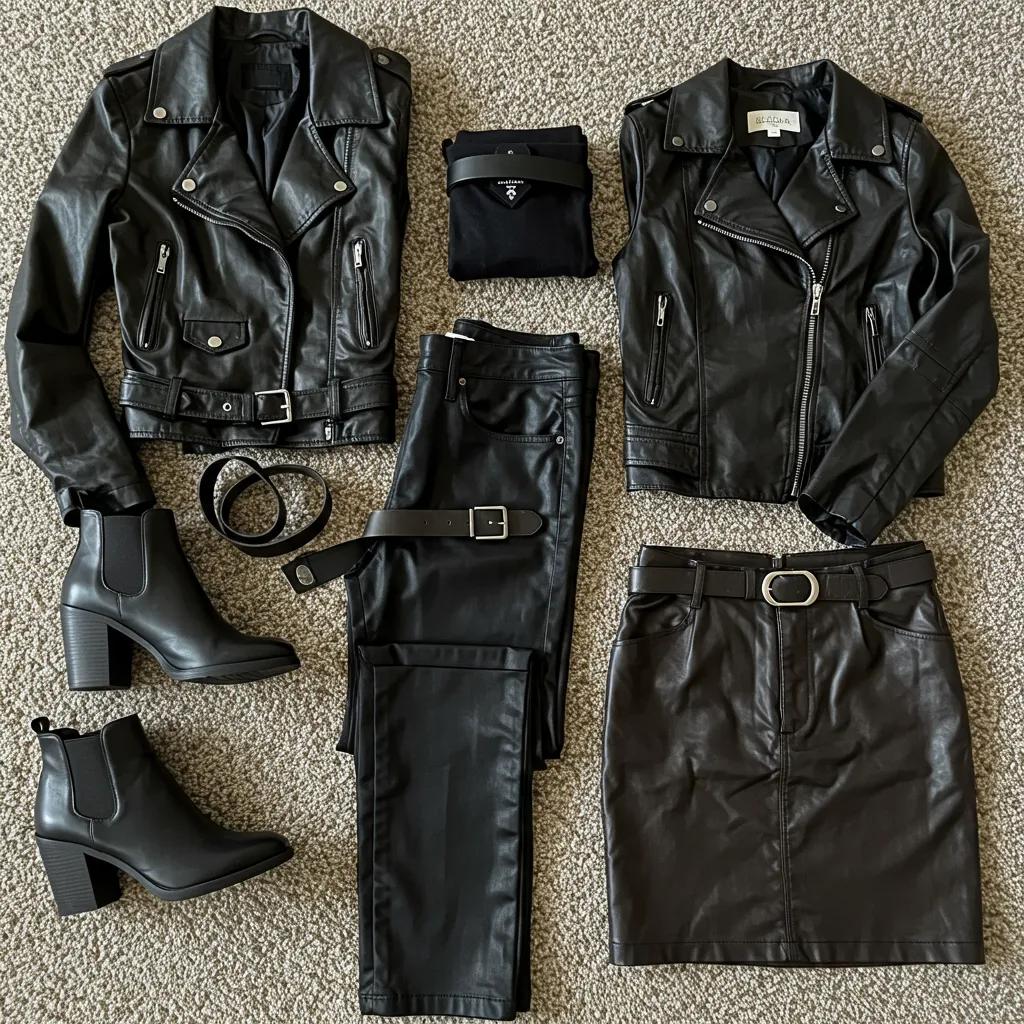
How to Style Leather Outfits — Expert Tips & Outfit Ideas for Every Occasion
Leather brings texture, durability and an unmistakable polish to any wardrobe. In this guide we show practical ways to wear leather jackets, pants, skirts, dresses and accessories so each piece works from casual days to dressy evenings while keeping its shape and finish. You’ll find clear outfit templates, simple day‑to‑night swaps and easy care routines that make decisions faster. We also call out maker‑level details—hand‑stitched seams, common leather types and finishes—so you can judge quality without getting lost in jargon. Read on for outfit formulas, proportion and texture rules, and three comparison tables to help you pick the right leather pieces for your life.
What Are the Best Leather Jacket Outfit Ideas for Women and Men?
A leather jacket is one of the most useful pieces in a closet: it adds structure, texture and instant attitude while anchoring proportions and creating contrast with softer fabrics. Tailored leather blazers read polished; biker and bomber styles add a relaxed or edgy note. The jacket’s finish—matte or glossy—also changes how formal it feels and how it layers with silk, knitwear or denim. Below are ready‑to‑wear pairings you can adapt by color and proportion for any body or occasion, followed by the rules that explain why they work.
Here are reliable leather jacket outfit pairings to try:
- Biker + Tee + Slim Jeans: A textured, balanced look for weekend wear.
- Tailored Leather Blazer + Silk Blouse + Tailored Trousers: Polished and dinner‑ready without a full suit.
- Bomber + Knit + Chinos: Smart‑casual commuter outfit that layers easily.
- Cropped Moto + High‑waist Skirt + Ankle Boots: A modern, balanced silhouette with feminine lines.
Each pairing shows how leather anchors an outfit and why mixing materials is important for visual balance and comfort. Use these templates as a starting point—later sections explain adjustments for body shape and occasion.
Before we get into styling tricks, compare common jacket styles by leather type and ideal pairings so you can choose the right jacket for your wardrobe.
Different jacket styles suit different occasions and pairings.
| Jacket Style | Typical Leather | Ideal Occasion / Pairing |
|---|---|---|
| Biker Jacket | Cowhide or goatskin, rugged finish | Casual weekends — tee, slim jeans, sneakers |
| Bomber Jacket | Sheepskin or soft cowhide, matte finish | Smart‑casual — knit, chinos, loafers |
| Tailored Leather Blazer | Smooth cowhide or lambskin | Office to evening — blouse, tailored trousers |
| Moto/Cropped Jacket | Goatskin, worn‑in finish | Trend‑forward looks — midi skirt, ankle boots |
How to Style a Leather Biker Jacket for Casual and Formal Looks
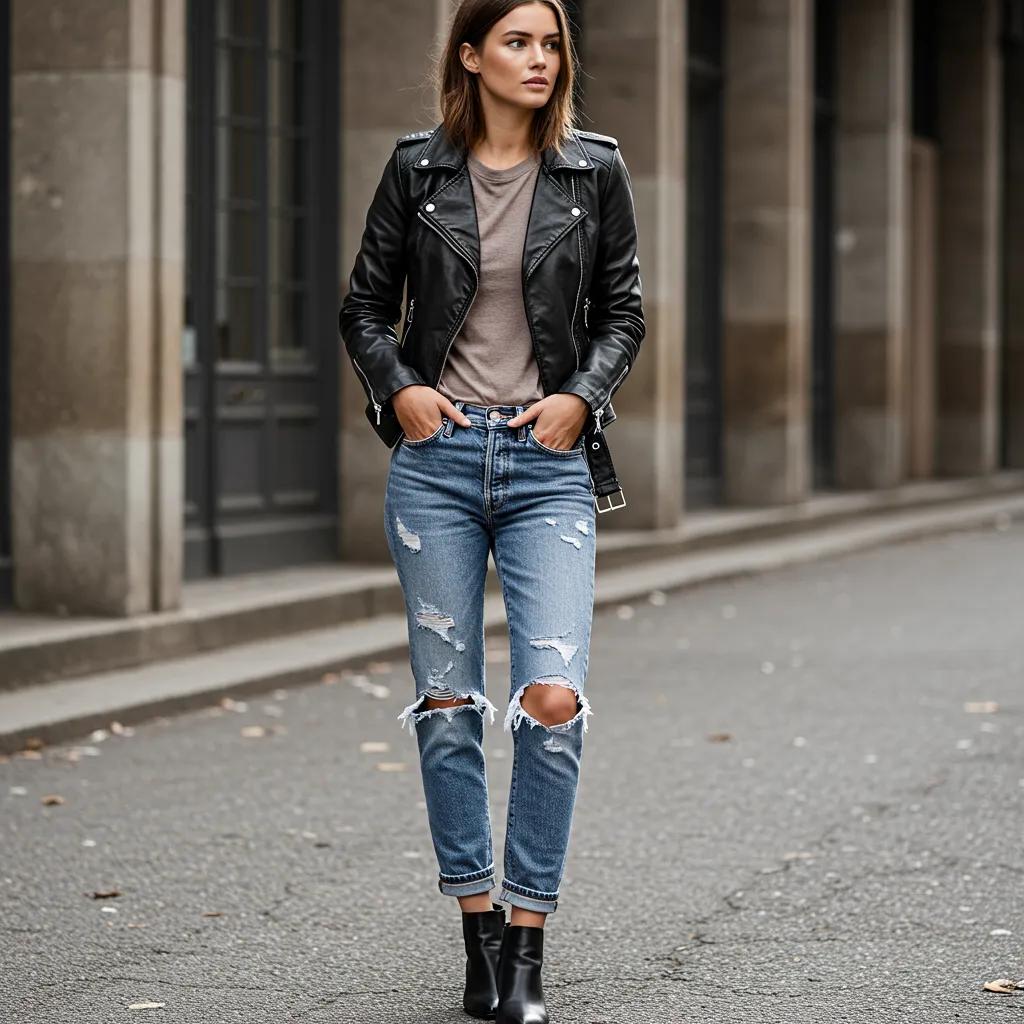
A biker jacket can read rebellious or refined depending on what you pair it with—the simple rule is contrast. For relaxed looks, wear a fitted tee, dark or distressed denim and sneakers to emphasize ease while keeping proportions tidy. To dress the jacket up, layer it over a silk blouse or fine‑gauge turtleneck and choose tailored trousers or a midi pencil skirt with heeled boots. Keep formal accessories minimal—delicate metal jewelry and a structured bag preserve polish—while casual looks can welcome caps, chunkier scarves or more rugged boots. Avoid bulky layering under a fitted biker; choose slim knits or lightweight liners and, if you want to soften the edge, swap heavy boots for polished loafers.
What Are the Top Men’s Leather Jacket Styles for Everyday Wear?
Everyday men’s leather jackets typically fall into four practical styles—bomber, biker, racer and tailored blazer—each with its own visual cues and outfit formulas. Pair a bomber with a crewneck sweater and chinos for commuting; use a biker with jeans and a white tee for weekends; a racer jacket works well with slim trousers and Chelsea boots for a streamlined look. For office settings, a tailored leather blazer in a smooth finish can replace a suit jacket when matched with smart shirts and dark trousers. Pay attention to liners and knit weight for layering: merino or lightweight liners suit tailored cuts, while roomier jackets pair better with thicker outerwear. Matte finishes read more casual; glossy finishes feel dressier. Look for hand‑stitched detail and the leather type—cues of drape and durability—when deciding where to invest.
Pakistan Leather produces jacket variants across these styles with hand‑stitched seams and a range of leather types and colors to serve both individual customers and wholesale partners. Pakistan Leather showcases those options and manufacturing quality for buyers seeking reliable pieces.
How to Wear Leather Pants: Styling Tips for Day and Night
Leather pants act as a strong silhouette anchor; the cut and finish shape how formal an outfit feels. Skinny leather pants create a streamlined effect, while wide‑leg leather trousers add movement and a relaxed luxury. For daytime, balance leather’s weight with lighter fabrics—silk blouses, cashmere knits or denim jackets—to avoid an overly severe look. For evening, introduce sheen, fitted tops and heels or bold boots to elevate the outfit while keeping proportions aligned with the pant cut. Fit and mobility matter most—choose a cut that lets you move comfortably and test matte versus patent finishes to see how they read in different light and photos.
Which tops and shoes work depends on the pant cut; compare the practical pairings below to match cut with occasion and footwear.
For clarity, compare common pant cuts and recommended pairings.
| Pant Cut | Recommended Tops | Best Footwear / Occasion |
|---|---|---|
| Skinny Leather Pants | Fitted knit or silk blouse | Heels or sleek boots — evening or polished day |
| Wide‑Leg Leather Trousers | Tailored blazer or structured shirt | Loafers or block heels — workwear and smart‑casual |
| Straight‑Leg Leather Pants | Oversized sweater or denim jacket | Sneakers for day, boots for evening |
| Moto/Paneled Leather Leggings | Tunic or longline shirt | Ankle boots or platform sneakers |
What Clothing and Accessories Pair Well with Leather Pants?
Leather pants benefit from texture contrast and a careful accessory choice. Pair matte leather with silk or brushed knits to add visual depth and keep the look intentional. Daytime pairings often include sneakers or low‑heeled ankle boots, a lightweight trench or oversized blazer, and minimal jewelry for wearability. For evening, switch to metallic or patent shoes, introduce statement earrings or layered necklaces, and choose a clutch for formality. Coordinate hardware—buckles and zips in similar metal tones—to tie the outfit together, and use belts to define a high waist. For bags, keep proportion in mind: a small clutch for fitted pants, a medium structured bag for wide‑leg trousers to preserve balance.
How to Transition Leather Pants from Casual to Evening Outfits
Take three targeted steps to move leather pants from day to night: change the top (swap a tee for a silk cami or tailored blazer), update footwear (replace sneakers with heels or sleek boots), and adjust accessories (add jewelry, switch to a smaller evening bag and add a belt or structured outer layer). Small finish changes—a glossier leather or metallic accents—can make the look photograph better without replacing the main pieces. These swaps keep the pants as the focal point while shifting the outfit’s tone toward evening.
The table above offers quick decisions by cut for tops and footwear.
How to Style Leather Skirts: Mini, Midi, and Maxi Outfit Ideas
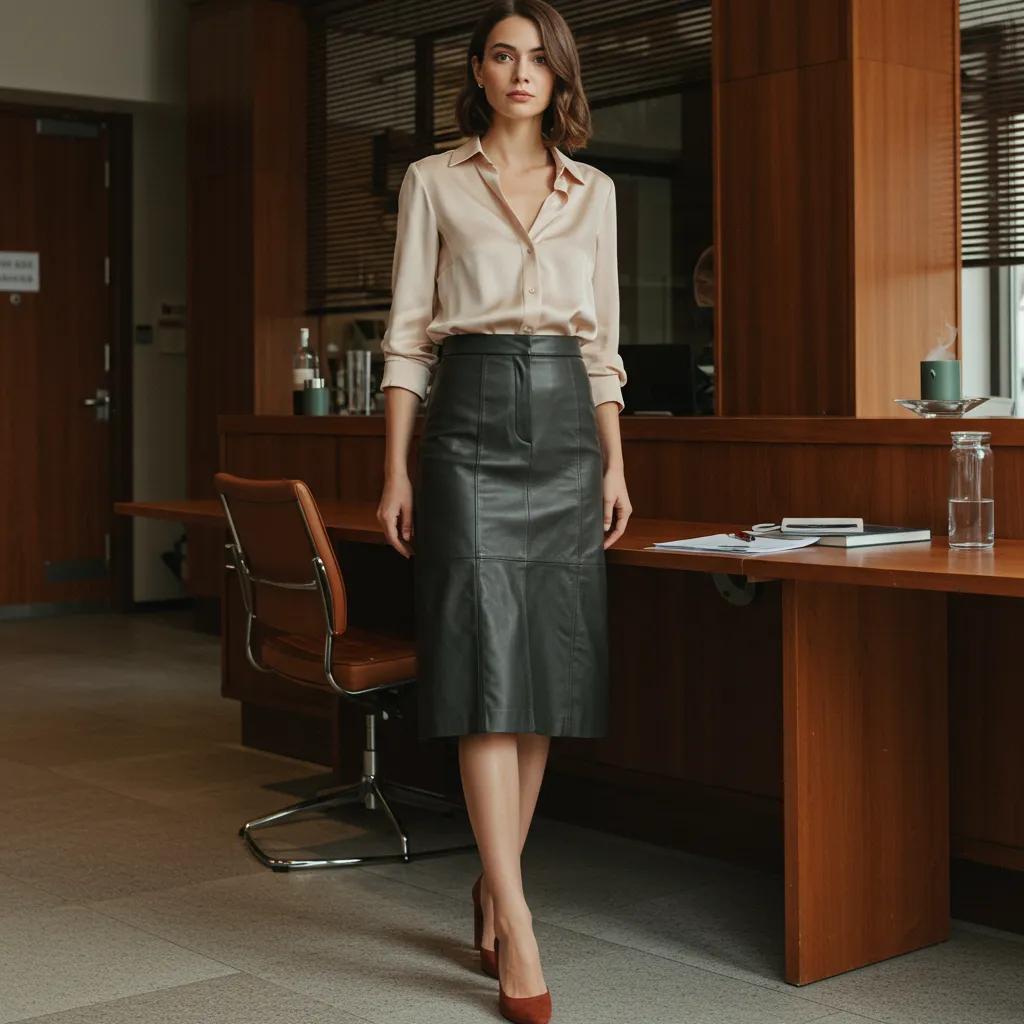
Leather skirts come in three common lengths—mini, midi and maxi—each creating different proportions and styling options. Length determines footwear and how you balance hemline with top volume. Minis feel youthful and pair well with structured tops or fitted knits to avoid looking disproportionate; midis work well for office or refined weekends with blouses and low heels; maxis create a flowing line that benefits from lightweight tops and heels to keep the silhouette elongated. Texture and finish matter: matte leathers read understated, patent or glossy finishes lean edgy. Consider mobility and seasonality—tights and layered outerwear make skirts practical through cooler months.
Use these role‑specific templates for each skirt length:
- Mini — Play: Graphic tee, ankle boots, layered necklaces for weekend energy.
- Midi — Work: Silk blouse, low block heels, tailored blazer for office polish.
- Maxi — Evening: Lightweight fitted top, heeled sandals, clutch for elongation and balance.
These templates highlight proportion and texture rules so you can adapt each skirt for different occasions and seasons.
What Are the Best Ways to Wear a Leather Skirt for Work and Play?
For work, favor midi lengths in smooth finishes and pair with modest blouses, loafers or low heels and restrained jewelry for a professional yet modern look. For casual or playful mini outfits, use statement outerwear—bomber jackets, denim or cropped knits—and chunkier boots to balance the short hem. Adjust for season: add tights and knee‑high boots in colder months, and choose lightweight linings and breathable tops in summer. Match top structure to skirt shape—structured tops with flowing skirts, fitted tops with straighter silhouettes—to keep everything visually balanced.
How to Pair Leather Skirts with Boots and Other Footwear
Footwear follows simple proportional rules: knee‑high boots elongate legs with minis; ankle boots or low heels suit midis for a contemporary balance; heels or sandals work best with maxis to maintain flow. Sneakers give a modern, high‑low contrast for minis and midis, while pointed‑toe flats keep a midi office‑friendly. Consider boot shaft height versus hemline to avoid crowding the silhouette—knee‑highs with minis create a deliberate look, while ankle boots with a midi preserve length. Either match leather tones for cohesion or mix textures—suede with smooth leather—for layered interest without clashing.
These footwear guidelines simplify shoe choices so they respect skirt length, occasion and finish.
What Are Essential Leather Dress Fashion Tips for Day and Evening?
Leather dresses require attention to silhouette and accessories because one material dominates the look. The key is proportion: choose a silhouette that fits the occasion and body shape, then use belts, outerwear and shoes to soften or emphasize leather. For daytime, prefer looser silhouettes or layers like longline coats and flats; for evening, opt for fitted shapes, heels and bolder jewelry for a purposeful statement. Also consider lining and leather weight—lighter unlined options suit warm evenings, while heavier, lined dresses give structure and season‑long wearability.
Use these silhouette and accessory rules to make a leather dress versatile and appropriate for varied settings.
How to Accessorize a Leather Dress for a Polished Look
When accessorizing leather dresses focus on contrast and proportion. A belt can define the waist and change the silhouette; bag size sets the formality; jewelry either simplifies or elevates depending on scale. For polished daytime looks choose a medium‑structured bag, minimal metallic jewelry and loafers or low heels. For evening, add a slim waist belt, statement earrings and a compact clutch with heeled sandals or boots. Coordinate hardware finishes—zips, buckles and bag hardware—so the details feel intentional and unified rather than competing.
How to Choose the Right Leather Dress Style for Your Body Type
Pick a dress silhouette that complements your proportions. Fit‑and‑flare styles flatter pear shapes by defining the waist and allowing skirt movement; shift dresses drape nicely on straighter silhouettes without clinging. Use vertical seams and lines to elongate, and structured shoulders or belts to add definition where needed. Avoid very tight bodycon styles unless you want a dress reserved for evening events—leather behaves differently than woven fabrics and tailoring at the shoulders and waist is often essential for the right fit.
These fitting tips help you choose a leather dress that flatters and performs across environments while staying comfortable.
How to Incorporate Leather Accessories into Your Outfits?
Leather accessories—bags, belts, wallets and shoes—are finishing pieces that signal quality when used intentionally. The guiding ideas are repetition and texture contrast: echo a leather tone for cohesion or mix smooth and pebbled textures for depth. Coordinate hardware tones across pieces to refine the look. Avoid wearing too many dominant leather items at once; aim for one or two leather focal points while keeping the rest fabric‑driven so the outfit remains balanced.
Below are concise accessory rules to help leather accents enhance, not overpower, your look.
- Match tones for cohesion: Coordinate leather colors across key accessories for a unified appearance.
- Mix textures for interest: Pair smooth and pebbled leathers to add depth without clutter.
- Limit dominant leather pieces: Keep leather as an accent in two or fewer items to maintain balance.
These rules make accessory choices quick and intentional so leather details support your outfit rather than compete with it.
What Are the Best Ways to Style Leather Bags with Leather Outfits?
Choose bag size and texture with the overall outfit in mind: a small structured bag keeps tailored looks sharp; a medium tote balances relaxed silhouettes and adds practicality. Match the bag’s leather tone to one outfit element—shoes or belt—for cohesion without needing exact matches across everything. For evening, pick compact clutches in contrasting textures or finishes to elevate the look; for daytime, prefer functional shapes in durable leather that complement your silhouette. Keep hardware finishes consistent and mind scale: large bags can overwhelm fitted leather dresses, while tiny clutches may look undersized with heavy outerwear.
How to Use Leather Belts and Wallets to Enhance Your Look
Belts and wallets are small but influential details. A belt can reshape a loose leather dress or create a focal point in a monochrome outfit. Wallets and cardholders peek out from open jackets as subtle signs of craftsmanship—choose clean lines and matching hardware so they feel intentional. When coordinating accessories focus on one unifying element, such as metal tone or leather finish, to tie the look together neatly.
These small‑goods strategies let leather accessories add polish and versatility without feeling gimmicky.
What Are the Key Leather Care Tips to Maintain Your Outfits’ Longevity?
Leather lasts when you follow three simple steps: clean, condition and store. Cleaning removes surface dirt with gentle spot treatments; conditioning replenishes natural oils to prevent drying and cracking; and correct storage protects shape and prevents mold or sun damage. Regular, light maintenance beats intermittent heavy restoration—short, routine care keeps leather supple and reduces the need for professional work. Below are basic, stepwise care actions and a table that compares leather types and their maintenance needs.
Follow these step‑by‑step leather care basics to preserve color and texture.
- Clean: Brush away loose dirt with a soft cloth and spot‑clean with a mild, leather‑safe solution.
- Condition: Apply a small amount of conditioner suited to the leather type, testing first in an inconspicuous spot.
- Store: Use breathable garment bags, padded hangers and stable humidity to prevent mold and deformation.
Regular care preserves appearance and resale value by protecting stitching and linings over time.
Compare common leather types and their care needs below.
| Leather Type | Care Requirement | Recommended Practices |
|---|---|---|
| Sheepskin (lambskin) | Delicate, prone to surface marks | Use gentle cleaners, light conditioning, avoid heavy abrasion |
| Cowhide | Durable, benefits from regular conditioning | Moderate cleaning, periodic conditioning, store on shaped hangers |
| Goatskin | Flexible, naturally water‑resistant | Light cleaning, condition every few months, always test products first |
| Buffalo leather | Thick, rugged, slow to age | Less frequent conditioning, careful storage to prevent stiffness |
How to Clean and Store Leather Garments Properly
Start cleaning with a soft dry brush to remove dust, then spot‑clean stains with a mild, pH‑balanced leather cleaner. Avoid aggressive scrubbing or household detergents that can strip oils and damage finishes. For greasy or set‑in stains, professional cleaning is safer than DIY fixes that risk discoloration. Let garments air‑dry naturally away from direct heat, then apply a thin layer of conditioner if the leather feels dry. For storage use breathable covers, padded hangers to keep jacket shoulders, and climate control to avoid very high humidity or extreme dryness. Rotate garments seasonally to prevent long‑term compression and inspect seams and linings annually to catch repairs early.
This section covers the essential steps to clean and store leather so your pieces look and perform their best.
Caring for Leather Clothing: Cleaning and Maintenance Tips
ABSTRACT: Natural leather garments are durable wardrobe staples that often outlast seasonal trends, offering a timeless look and easy coordination with many colors. Because leather can be difficult to clean and is prone to cracking or distortion if stored improperly, this study examined cleaning and care methods to identify practices that extend the useful life of leather clothing while preserving aesthetic and functional qualities. The research aims to recommend practical, science‑based procedures for cleaning, conditioning and storing leather to maximize service life and maintain appearance.
Study of different methods of cleaning and care of leather clothing, 2020
What Are the Best Leather Conditioners and Maintenance Practices?
Pick a conditioner format—cream, oil or balm—based on the leather: creams often suit delicate sheepskin, oils work well for flexible goatskin, and balms help restore heavy cowhide. Always test any product in an inconspicuous spot first. Conditioning frequency varies: delicate leathers need light, more frequent treatments while rugged hides tolerate less frequent conditioning. Use a minimal amount, rub it in evenly and remove any excess before buffing. Keep hardware dry and use gentle lubricants for zippers if needed. Check hand‑stitched seams periodically and repair loose threads early to avoid bigger fixes. Pakistan Leather recommends quality conditioners matched to each leather type and offers care guidance aligned with its manufacturing practices.
This note links practical care back to product provenance and next steps for readers who want well‑made leather that lasts.
Frequently Asked Questions
What types of leather are best for different outfits?
Choose leather by its look and behavior. Cowhide is durable and versatile—great for jackets and pants. Lambskin is soft and delicate, ideal for fitted dresses. Goatskin is flexible and water‑resistant, good for casual pieces. Buffalo leather is thick and rugged, best for heavy outerwear. Each type drapes and ages differently, so pick based on the silhouette and use you want.
How can I style leather outfits for different seasons?
Adapt leather by layering and fabric choices. In colder months pair leather with warm knits, scarves and wool outerwear. In spring and summer choose lighter fabrics underneath—cotton or silk—and consider sleeveless leather tops or skirts. Switch footwear from boots to sandals as temperatures rise and add seasonal accessories like hats and sunglasses to finish the look.
What are some common mistakes to avoid when styling leather?
Avoid wearing too many leather pieces at once, which can feel heavy. Balance leather with lighter fabrics and pay attention to fit—proper tailoring keeps leather comfortable and flattering. Steer clear of mixing overly casual or clashing formality levels, and don’t overload on accessories; clean, considered details serve leather best.
How do I choose the right leather accessories for my outfit?
Consider color, texture and proportion. Match accessory tones to a single outfit element for cohesion, or mix textures for interest. Make sure accessory size suits your silhouette: small bags with fitted clothing, larger bags with relaxed silhouettes. Coordinated hardware finishes help keep the overall look refined.
What are the best practices for maintaining leather garments?
Follow the three‑step routine: clean, condition and store properly. Brush away dust, spot‑clean with mild cleaners, condition to replenish oils and store in breathable bags on padded hangers. Regular, light maintenance prevents serious damage—inspect seams and linings periodically and address repairs early to extend garment life.
Can leather outfits be worn in a professional setting?
Yes. Choose tailored leather blazers or skirts in smooth finishes and pair them with blouses and low heels for a polished office look. Avoid distressed bikers or overly casual pieces in formal environments. Stick to muted colors and classic silhouettes, and keep accessories minimal to maintain professionalism while showing refined personal style.
Conclusion
Leather is a timeless material that brings durability and style to any wardrobe when you pay attention to proportion, texture and occasion. With the outfit templates, layering rules and care tips here, you can build looks that move effortlessly from day to night. Explore high‑quality pieces crafted with attention to detail and let leather be a reliably stylish part of your everyday rotation.


