
How a Quality Leather Laptop Sleeve Protects More Than Just Your Computer with Durable Full-Grain Leather and Professional Style
A leather laptop sleeve is a slim carrying case that combines material science with design to protect a laptop while signaling professional style and durability. This article explains how full-grain leather and intelligent construction work together to protect devices from impact, abrasion, dust, spills, and temperature swings, while also elevating an executive or minimalist aesthetic. Many professionals and brands need a solution that balances protection with a sophisticated look; a well-made leather sleeve provides both through dense hide, purposeful padding, and refined closures. Below you will find a material primer, a technical breakdown of protection mechanisms, style and investment reasoning, a practical buying checklist, care and maintenance steps, and manufacturer-focused guidance for B2B buyers. Throughout the guide we use terms like full-grain leather, padded sleeve, lining, patina, and customization to clarify choices for MacBook users, digital nomads, and office professionals seeking premium accessories. By the end, you’ll understand what truly makes a leather laptop sleeve protective, stylish, and cost-effective for long-term use.
Why Is Full-Grain Leather the Best Material for Laptop Sleeve Protection?
Full-grain leather is the outermost layer of hide where the natural grain remains intact, providing unmatched fiber density and tensile strength that directly improve abrasion resistance and structural integrity. Its retained grain resists wear and distributes localized stresses, so a sleeve made from full-grain material buffers edges and corners better than corrected or synthetic surfaces. For protective use-cases, this material delivers a combination of durability, aging through patina, and dimensional stability that keeps a snug fit over years of daily handling. The following table compares leather grades on attributes that matter for sleeves and shows why full-grain leads for longevity and protective performance; the summary below places those trade-offs in practical terms for buyers.
Different leather grades vary in durability, look, and recommended use for laptop sleeves:
| Leather Grade | Attribute | Value |
|---|---|---|
| Full-Grain Leather | Durability & Strength | Highest abrasion resistance; strong fiber matrix ideal for heavy use |
| Top-Grain Leather | Appearance & Cost | Smooth finish with moderate durability; cost-effective premium look |
| Corrected Grain Leather | Uniformity | Lower natural strength due to surface correction; budget-friendly |
| PU / Synthetic Leather | Weight & Price | Light and inexpensive; limited longevity and patina development |
This comparison shows full-grain leather offers the best balance of long-term protection and aesthetic value for professional laptop sleeves, while alternatives trade longevity for cost or uniform appearance. Understanding these trade-offs leads naturally to the microscopic reasons full-grain outperforms other grades in toughness and patina development.
What Makes Full-Grain Leather Superior in Durability and Strength?
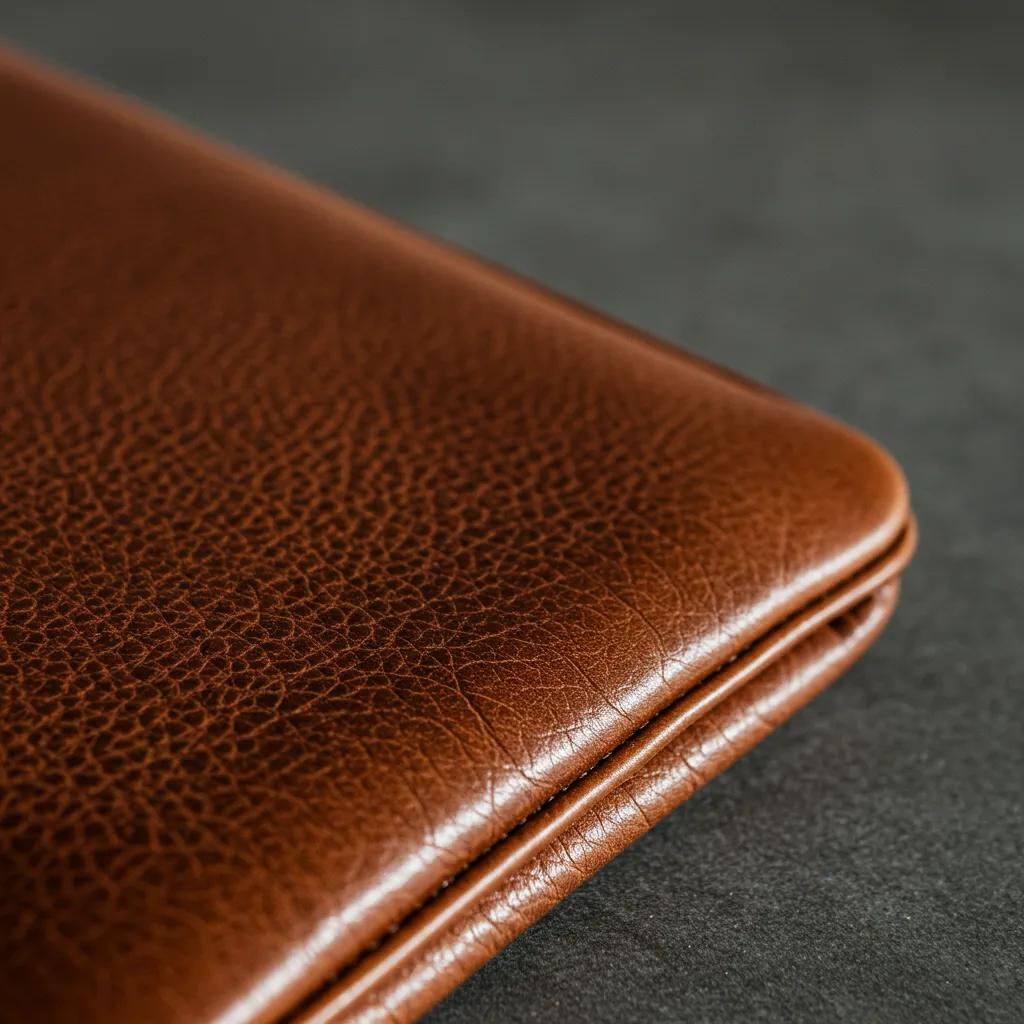
Full-grain leather maintains the hide’s complete fiber network and grain layer, which creates a dense, interlocked structure that resists tearing and abrasion under repeated use. That intact grain translates to real-world durability: edges and stress points sustain less surface breakdown than sanded or corrected hides, and fiber strength reduces the risk of seam failure when hand-stitched. Typical protective sleeve designs pair full-grain panels in the 1.6–2.0 mm range (manufacturing choices vary), which balances flexibility with structural support; thicker leather increases impact dispersion while still conforming to a slim profile. These mechanical properties mean a full-grain sleeve will keep its shape and protective function after years of daily carry, which is a decisive benefit for professionals and B2B buyers seeking long-lived accessories. The next section explores how that same material evolves over time through patina and what that imparts to longevity.
How Does Full-Grain Leather Develop Patina and Enhance Longevity?
Patina forms as oils, light abrasion, and handling subtly alter full-grain leather’s surface, producing a richer color and a smoother hand while preserving structural strength. This aging process is both aesthetic and functional: a well-developed patina can slightly increase surface resilience and mask minor scuffs, contributing to perceived and practical longevity. Regular, minimal care—gentle cleaning and periodic conditioning—encourages even patina development without clogging pores or weakening fibers, so the leather remains breathable and robust. Patina also personalizes the sleeve to its user, which enhances resale or brand-value for executive accessories and custom B2B products. Understanding patina leads into a direct comparison of full-grain with other leather types for sleeve applications.
How Does Full-Grain Leather Compare to Other Leather Types for Laptop Protection?
Comparing leather types clarifies when full-grain is essential and when alternatives fit specific constraints such as budget or weight. Full-grain leads on durability and patina but costs more and can be slightly heavier; top-grain balances appearance and price with respectable protection for light-to-moderate use; corrected-grain and synthetic leathers prioritize uniformity and low cost at the expense of long-term performance. For buyers focused on maximum protection and executive style—such as importers specifying branded sleeves—full-grain is the recommended choice because it minimizes replacement cycles and improves product longevity. The practical takeaway is: choose leather grade in line with expected lifetime use, which then informs padding and construction choices covered next.
How Do Leather Laptop Sleeves Provide Comprehensive Protection for Your Device?
A quality leather laptop sleeve protects through an engineered set of layers and design choices: the exterior leather provides abrasion resistance and structural support, internal padding absorbs and disperses energy from impacts, and the lining prevents surface scratches while closures limit dust and liquid ingress. Each component contributes a distinct protective mechanism, and together they create a system that guards against common hazards like desk drops, bag-borne abrasion, and brief spills. To make those mechanisms explicit, the table below maps key sleeve components to their protective functions and expected outcomes so you can prioritize features when choosing or specifying a sleeve. After reviewing the table, we’ll examine impact absorption, surface defense, and environmental buffering in turn.
| Component | Protective Function | Outcome |
|---|---|---|
| Leather Exterior Panel | Scratch & abrasion resistance; structural support | Reduces surface damage and preserves sleeve shape |
| Internal Padding Layer | Impact absorption and energy dispersion | Lowers peak forces on laptop chassis during drops |
| Soft Lining | Surface scratch prevention | Prevents cosmetic damage to device finish |
| Closure (zipper/flap/magnetic) | Dust and spill barrier; secures fit | Limits ingress and reduces movement inside sleeve |
This mapping clarifies why a layered approach is necessary: leather alone resists surface wear, but padding and lining handle shocks and scratches that matter to internal components and finishes. With that system view, the next paragraphs break down padding, abrasion resistance, and water/temperature buffering in detail.
How Does Padded Interior and Leather Thickness Absorb Impact and Prevent Damage?
Impact protection in a sleeve depends on both the compressive properties of the padding and the stiffness of the leather exterior to spread forces over a larger area. Effective padding materials include closed-cell foam and dense microfiber batting; these compress under load to absorb kinetic energy, reducing transmitted acceleration to the laptop. Recommended combinations often pair 2–4 mm of dense foam with a leather panel in the 1.6–2.0 mm range for everyday protection—this yields meaningful reduction in stress from common drops (desk height) without adding bulk. A snug fit reduces internal movement that could convert impacts into rotational or shear forces, so internal clearance should be minimal while allowing for easy insertion; the next subsection explains how lining and closure choices further limit surface and environmental damage.
In What Ways Do Leather Sleeves Resist Scratches, Dust, and Minor Spills?
Leather’s dense grain and natural oils provide a first line of defense against surface abrasion, while a soft microfiber or suede lining prevents metal or hard plastic edges from scratching a laptop finish. Quality construction features—tight seams, reinforced edges, and well-chosen closures like YKK zippers or secure flaps—minimize dust ingress and limit the chances of foreign particles abrading the device. For minor spills, leather can shed small amounts of liquid if treated or finished appropriately; however, coatings and water-resistant treatments vary in durability and should be considered supplemental rather than absolute protection. Choosing a sleeve that pairs a tough exterior with a protective lining and reliable closure creates a practical barrier to day-to-day hazards while maintaining a slim, executive profile.
Can Leather Laptop Sleeves Offer Water Resistance and Temperature Buffering?
Leather itself is not waterproof, but it can be treated with water-repellent finishes that add limited resistance to light rain and spills; such treatments reduce immediate absorption but wear over time and require reapplication as part of maintenance. For temperature buffering, leather’s thermal mass and padding slow rapid ambient temperature changes, giving short-term protection against heat or cold exposure during transit; this buffering is not a substitute for temperature-controlled storage but is useful during short transfers between environments. When specifying sleeves for travel or outdoor use, combine water-resistant treatments with a tightly sealed closure and hydrophobic lining materials to maximize protection; the next H2 shows how those choices intersect with style and professional appearance.
How Does a Leather Laptop Sleeve Enhance Your Professional Style and Executive Appeal?
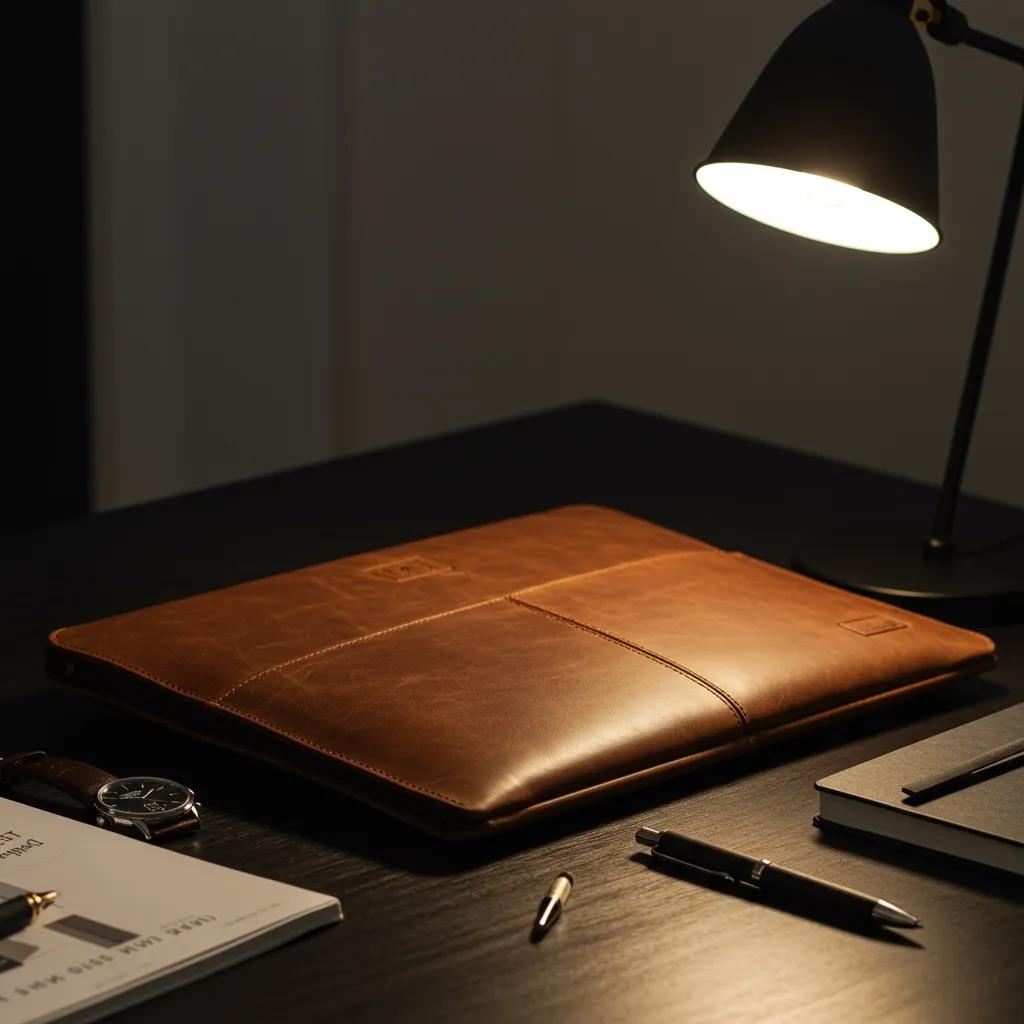
A leather sleeve communicates intentionality through tactile cues—weight, grain, stitch quality—and visual signals such as finish, color, and hardware that align with executive style. These sensory details convey brand values like reliability, craftsmanship, and refinement, which matter in client-facing situations and for professionals who carry devices as part of a curated office gear ensemble. Design choices that favor a minimalist silhouette with refined edge finishing create a sophisticated look that complements suits and smart-casual outfits alike, while multi-pocket or handle-integrated designs suit travel and high-organization needs. The list below summarizes how leather attributes map to professional contexts and helps you select a sleeve profile that matches your workplace or brand identity.
- Tactile Quality: Dense full-grain leather and hand-stitching signal craftsmanship and durability.
- Visual Finish: Natural patina and subdued colors like cognac or deep brown complement formal attire.
- Functional Elegance: Slim profiles and discrete hardware maintain a polished, non-bulky presence.
Why Is Leather Considered a Timeless and Sophisticated Material for Tech Accessories?
Leather’s history as a durable, worked material associates it with craftsmanship, and that cultural association translates into perceived product value for tech accessories. The tactile contrast between a smooth leather surface and a laptop’s metal or glass finish creates a pleasing sensory juxtaposition that reads as premium in meetings and client-facing environments. Leather also performs well across time, acquiring a patina that tells a usage story—this evolving surface quality often increases perceived authenticity and desirability for executive buyers. These perceptual benefits are practical too: buyers choosing leather for style rarely need to sacrifice protective function when they pair leather with appropriate padding and lining, a topic expanded in the following subsection.
How Can Leather Sleeves Complement Different Professional Settings and Outfits?
Selecting color, finish, and profile allows a sleeve to align with varied contexts: darker, matte finishes read conservative and pair well with formalwear, while lighter cognac tones and subtle texture complement creative or startup environments. Slim, pocket-free sleeves fit under a briefcase or inside a tote for business travel, whereas multi-compartment designs with external pockets suit consultants and digital nomads who need quick access to chargers and phones. The choice of hardware—antique brass versus polished steel—also signals intent and can be matched to other accessories like belts or watch hardware for a cohesive professional look. These styling choices connect aesthetic goals to functional requirements, and the next subsection lists premium design features that elevate executive cases.
What Design Features Elevate the Look of Executive Leather Laptop Cases?
Premium signals include consistent hand-stitching, polished edge finishing, minimal visible branding, and hardware selections that complement the leather tone. A soft, high-quality lining, reinforced corners, and hidden pockets maintain functionality without visible bulk, while discrete embossing or debossed logos provide subtle brand identity for corporate gifting or B2B products. These choices are paired with construction details—precision-cut panels and reinforced stitch patterns—that improve longevity and present a refined finish during client-facing use. Appreciating these design features helps buyers prioritize which aspects will matter most for their professional image and expected usage patterns.
What Makes a Quality Leather Laptop Sleeve a Long-Term Investment?
A premium leather sleeve becomes a long-term investment because its longevity reduces replacement frequency and retains value through patina and durable construction, lowering total cost of ownership compared with cheap alternatives that degrade quickly. Beyond direct replacement savings, well-made sleeves maintain a professional appearance longer, which supports brand perception for individuals and companies that outfit employees or offer branded accessories. The table below presents a simple lifecycle comparison and then we explore sustainability and resale/resale-like value tied to patina development and repairability.
| Item Type | Typical Lifespan | Cost Implication |
|---|---|---|
| Quality Full-Grain Leather Sleeve | 5–10+ years with care | Lower lifetime cost due to infrequent replacement |
| Top-Grain Leather Sleeve | 3–6 years | Moderate lifetime cost |
| Synthetic Sleeve | 1–3 years | Higher replacement frequency increases lifetime cost |
That simple lifetime contrast explains why many buyers treat premium leather sleeves as investments in durability and image. Next, we quantify cost-effectiveness and discuss sustainability questions buyers should ask.
How Does Leather’s Durability Translate to Cost-Effectiveness Over Time?
Durability reduces the effective annual cost: a sleeve that endures five to ten years spreads an initial premium over more years compared with a synthetic sleeve replaced multiple times. This total cost of ownership calculation includes not only purchase price but also indirect costs like time spent replacing products and maintaining a consistent professional image. For B2B buyers and retailers, longer-lived sleeves reduce warranty and returns issues and strengthen a brand promise of quality. Recognizing this financial logic prepares buyers to evaluate trade-offs and ask suppliers about materials and construction—questions that also touch on sustainability and sourcing practices covered next.
What Role Does Sustainability Play in Choosing Genuine Leather Sleeves?
Sustainability in leather goods centers on longevity, transparent sourcing, and responsible tanning processes; a long-lived product reduces waste, and sourcing transparency helps buyers assess ethical implications. When assessing suppliers, ask about the origin of hides (species such as sheep, goat, cow, buffalo), tanning methods (vegetable vs. chrome), and waste management practices—these questions help identify manufacturers that align with environmental and ethical priorities. While certified claims should be verified through supplier documentation, prioritizing durability and repairability is one practical sustainability step buyers can take now. The next subsection explains how patina contributes to perceived and resale value over time.
How Does Patina Development Add Unique Character and Value?
Patina personalizes each sleeve, increasing perceived uniqueness and often boosting desirability among professionals who value individualized accessories. As oils and light surface wear mellow the finish, the sleeve’s story becomes part of its appeal, which can support higher resale or brand-value for bespoke or branded items. Usage patterns—how often the sleeve is carried, handled, and stored—shape patina development, so advise customers on care to achieve appealing aging while preserving protective properties. With this understanding of investment and style, the next H2 offers a practical checklist for choosing the right sleeve.
How to Choose the Ideal Leather Laptop Sleeve for Your Needs?
Choosing the right sleeve means matching leather grade, size, padding, and feature set to your use-case—travel, everyday office carry, executive gifting, or wholesale B2B branding. Begin by prioritizing protection versus weight and cost: full-grain leather with moderate padding suits professionals who prioritize longevity and style, while top-grain or lighter synthetics might suit lightweight or budget constraints. Below is a concise checklist to guide buyers through the primary decision points, followed by a comparison table mapping feature choices to buyer needs so you can align specifications with intended use. After the checklist we’ll touch on sizing guidance and closure trade-offs.
- Leather Type: Prioritize full-grain for maximum durability and patina.
- Size & Fit: Measure laptop dimensions and allow minimal clearance for padding.
- Padding & Lining: Choose dense foam and soft lining to prevent impact and scratches.
- Closure & Pockets: Decide between zipper security or flap simplicity based on access needs.
These checklist items reflect core trade-offs; the table below translates feature choices into buyer-focused recommendations.
| Feature | Attribute | Buyer Need |
|---|---|---|
| Leather Grade | Full-grain / Top-grain / Synthetic | Durability vs. cost trade-off |
| Padding (mm) | 2–4 mm recommended | Impact absorption for drops from desk height |
| Closure Type | Zipper / Magnetic flap / Snap | Security vs. quick access |
| Pockets & Handles | External/internal pockets | Travel organization vs. minimalist carry |
After considering features, many buyers want customization or bulk options that suit brand or retail needs. Pakistan Leather manufactures and exports a range of leather goods and offers custom, hand-stitched products made from genuine leathers including sheep, goat, cow, and buffalo. Their site is organized by broad product categories rather than a dedicated laptop-sleeve section, but they support custom sizes, materials, and handcrafted finishes which can be specified for B2B orders; prospective buyers frequently request samples and material specifications before scaling to production. This manufacturer capability supports brands and importers looking for wholesale leather tech accessories with tailored features.
Which Leather Types and Grades Should You Consider for Maximum Protection?
For maximum protection, full-grain leather paired with dense internal padding is the preferred combination because the intact grain provides superior tear and abrasion resistance while padding absorbs impact energy. Top-grain leather is a solid compromise when a smoother surface and lower cost are priorities; it still supports protective construction when paired with adequate padding. Synthetic or corrected-grain materials are best reserved for budget-limited or very lightweight needs where long-term durability is not the main concern. Matching grade to buyer profile—executive, traveler, or budget buyer—ensures the sleeve performs according to expectations.
How Important Is Size and Fit for Different Laptop Models Like MacBook?
Size and fit are critical because excess internal space allows device movement that amplifies impact forces and increases the risk of scratches. Measure the laptop’s height, width, and thickness and compare to internal sleeve dimensions, allowing only the padding thickness as additional clearance; for example, a 13-inch MacBook Air requires a closer fit than a 15-inch Pro to prevent lateral movement. Also account for accessories—chargers or a slim power bank—if you plan to carry them inside the sleeve, choose slightly larger internal dimensions or an additional pocket. Proper fit enhances both protection and the sleeve’s slim aesthetic, making the device easier to carry in briefcases or bags.
What Features Should You Look for in Closures, Padding, and Compartments?
Closure choices balance security and speed of access: zippers provide the most secure seal against dust and minor spills, magnetic flaps allow fast access with moderate coverage, and simple slip-in designs maximize minimalism at some cost to ingress protection. For padding, dense closed-cell foams and microfiber batting are preferred for impact absorption without excessive bulk; aim for 2–4 mm effective padding combined with a snug internal fit. When deciding compartments, prefer designs with one external pocket for a phone and cable if you need organization, but choose pocket-free sleeves to maintain the slimmest profile. These feature trade-offs help align product choice with daily workflows and brand requirements.
How Should You Care for and Maintain Your Leather Laptop Sleeve to Ensure Longevity?
Routine care preserves both protective performance and patina, extending the sleeve’s useful life and maintaining a professional appearance. Cleaning with a soft cloth and mild soap solution removes surface dirt, while periodic conditioning with a leather conditioner maintains flexibility and prevents drying. For spills and exposure, quick blotting and air drying at room temperature limit damage; avoid heat sources that can crack leather or warp padding. The steps below outline a simple care routine and preventive practices to protect leather from water and wear.
- Clean Gently: Wipe with a soft cloth and mild soap, then dry with a lint-free towel.
- Condition Periodically: Apply leather conditioner sparingly every few months depending on use.
- Dry Correctly: Blot spills and air-dry away from direct heat or sunlight.
These steps form the baseline for preserving both protection and aesthetics; the following H3s describe cleaning methods and water-protection tactics.
What Are the Best Practices for Cleaning and Conditioning Leather Sleeves?
Clean leather sleeves with a slightly damp cloth and a mild, pH-neutral soap, applying minimal moisture and working in circular motions to lift dirt without saturating the hide. After cleaning, blot with a dry cloth and allow the sleeve to air-dry at room temperature; once dry, apply a thin layer of quality leather conditioner to restore oils and flexibility, testing any product on a hidden area first. Conditioning frequency depends on climate and use—more frequently in dry environments and less often in humid ones—but a general cadence is every three to six months for active daily carry. Following these steps preserves both protective properties and the attractive patina full-grain leather develops over time.
How Can You Protect Leather Sleeves from Water Damage and Wear?
Preventive measures include applying a reputable water-repellent treatment suitable for full-grain leather, storing the sleeve in breathable fabric when not in use, and avoiding prolonged exposure to direct sunlight or heat that can dry the hide. If the sleeve becomes wet, blot excess moisture immediately and allow it to dry slowly at room temperature; avoid accelerating drying with heaters or hair dryers that can harden leather and damage padding adhesives. Regular conditioning also helps maintain the leather’s natural oils, improving resistance to cracking and making the surface somewhat more hydrophobic. These practices keep the sleeve resilient and protective across daily use cycles.
Why Choose Pakistan Leather for Custom, Durable Leather Laptop Sleeves?
Pakistan Leather is a manufacturer and exporter specializing in high-quality leather garments and diverse leather goods; their production model supports custom, hand-stitched products and the use of genuine leathers such as sheep, goat, cow, and buffalo. As a manufacturer/exporter, they can support B2B buyers seeking tailored sizes, materials, and handcrafted finishes for branded or wholesale leather tech accessories. This company emphasis on manufacturing capability and hand finishing aligns with the protective and aesthetic priorities detailed throughout this guide, offering a practical pathway for brands and retailers who want durable, customizable laptop sleeves.
What customization and B2B advantages does that capability deliver?
- Custom material selection across sheep, goat, cow, and buffalo leathers for varied texture and durability.
- Hand-stitched construction options that emphasize reinforced edges and a premium finish.
- Export-ready manufacturing suited for bulk orders and brand-driven product ranges.
These capabilities make Pakistan Leather a credible partner for businesses specifying premium leather laptop sleeves; the following H3s describe customization options, quality signals, and B2B benefits in practical terms.
What Customization Options Does Pakistan Leather Offer for Laptop Sleeves?
As a manufacturer of diverse leather goods, Pakistan Leather supports custom sizing, choice of leather species (sheep, goat, cow, buffalo), and hand-stitched finishes that allow buyers to specify both functional and aesthetic attributes. Customization includes material selection for exterior panels, lining options, and the ability to request tailored internal padding characteristics to meet protective targets. Buyers often begin with sample requests and material specifications to verify hand-stitched quality and surface finishes before moving to larger orders; this sample-to-production workflow is a standard, practical approach when developing branded accessories.
How Does Pakistan Leather Ensure Superior Quality and Craftsmanship?
Quality signals available from manufacturer-focused production include an emphasis on hand-stitched construction, which enhances seam durability and allows careful edge finishing, and a production focus on a range of leather goods that demonstrates expertise across bags, cases, and garments. For B2B buyers, requesting samples and examining stitch patterns, edge crispness, and lining integration provides objective verification of workmanship. These practices help ensure that sleeves meet both protection and aesthetic standards required for professional accessories and branded product lines.
What Are the Benefits for B2B Buyers and Bulk Orders?
Working with a manufacturer-exporter like Pakistan Leather gives brands access to customization at scale, the ability to specify durable full-grain or alternative leathers based on target markets, and support for hand-finished details that differentiate products. For bulk buyers, the key advantages are consistency of workmanship, material variety to match market preferences, and the practical ability to develop product lines that combine protection and professional style. Prospective buyers should prepare an inquiry checklist—samples, material specs, and production questions—to streamline evaluation and ensure the final sleeve meets protective and visual expectations.
This article has covered material science, protection mechanisms, style considerations, investment rationale, practical buying checklists, maintenance steps, and manufacturer selection—equipping professionals and B2B buyers to choose leather laptop sleeves that protect devices and convey executive style.


