
Gear Up: The Best Premium Leather Shotgun Cases for Field and Range Use
Leather shotgun cases combine protection, longevity, and classic style in a way few materials can match, and this guide explains why premium leather remains a top choice for hunters, clay shooters, and range regulars. You will learn how different leathers (full-grain, bridle, waxed canvas hybrids) behave in the field, which construction features truly protect guns, how to measure for a perfect fit, and practical care routines to keep a case serviceable for years. Many shooters struggle with scratched finishes, poor fit for take-down guns, or cases that fail in wet conditions; this article gives clear, actionable solutions so you can choose the right style and maintain it properly. We’ll cover case types (full-length slips, breakdown/take-down cases, vintage slips, and range bags), a feature checklist for durability and travel, measurement and sizing rules, and an applied maintenance schedule. Where applicable, you’ll also see how a manufacturer/exporter with hand-stitched capability and multiple hide sources can support bespoke orders for clubs or retailers. Start with why premium leather beats common alternatives for real-world protection and aesthetics.
Why Choose Premium Leather Shotgun Cases for Hunting and Range?
Premium leather shotgun cases are specialized protective gear that combine robust hide, targeted padding, and tailored fit to protect firearms during fieldwork and on the range. Leather’s dense fiber structure offers abrasion resistance and impact buffering, while natural finishes age attractively and can be renewed with conditioning; this makes leather an investment that often improves with use. Compared with canvas or synthetic options, premium leather provides a balance of scratch prevention and classic aesthetics that appeals to hunters, sporting clays shooters, and gift buyers seeking heirloom-quality pieces. Understanding the material trade-offs leads directly to selecting the right leather type and case style for specific activities, which the next sections will unpack in detail.
Leather delivers four practical advantages for shooters:
- Protection: Dense hides resist brush abrasion and shield metal finishes.
- Durability: High-grade leather withstands repeated handling and ages gracefully.
- Aesthetics: Classic, vintage style suits gifting and professional presentation.
- Custom fit: Leather can be tailored and hand-stitched for precise fit and reinforcement.
These benefits set the stage for comparing specific leather types and construction choices that suit real use-cases like upland hunting, skeet, and travel.
What Are the Benefits of Full-Grain and Bridle Leather for Shotgun Cases?
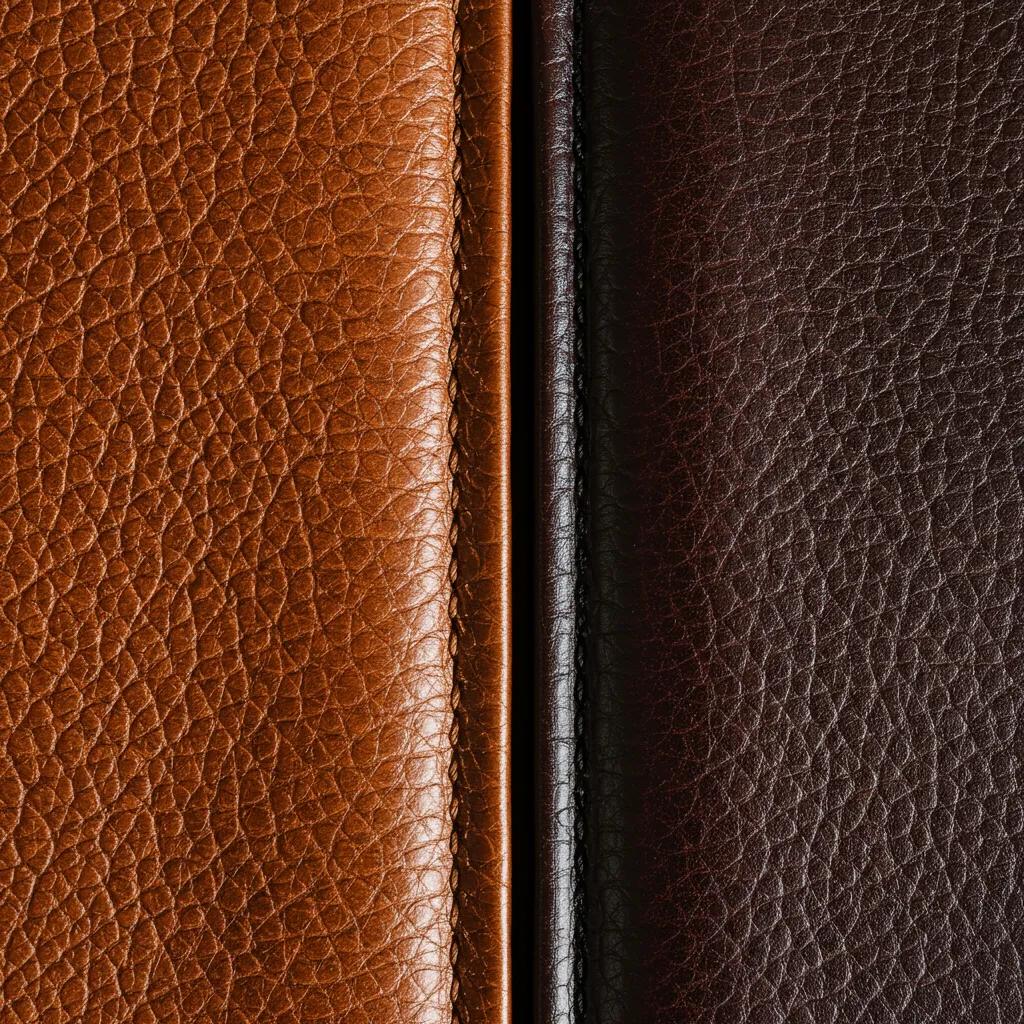
Full-grain and bridle leather represent two high-performance hide families commonly used for premium shotgun cases, each with distinct properties and use-cases. Full-grain leather retains the hide’s surface and natural grain, providing superior abrasion resistance and the capacity to develop a rich patina over time; this makes it ideal for upland hunters who expose cases to brush and rough handling. Bridle leather undergoes hot-stuffing and finishing that tightens and seals the fibers, producing a firmer, structured material that holds shape and provides a stiffer protective shell—excellent for range bags and cases where form retention and a refined vintage look matter. Full-grain leather → provides → abrasion resistance, while bridle leather → provides → structural stiffness and polished appearance. Choosing between them depends on whether you prioritize flexible, aging character (full-grain) or structured, formal presentation (bridle), and that decision informs lining and padding choices discussed next.
How Does Leather Provide Superior Protection for Your Shotgun?
Leather protects firearms through its fiber density, paired linings, and integrated padding systems that together reduce abrasion, absorb minor shocks, and prevent contact wear on metal finishes. Dense hides resist penetration from thorns and reduce scuffs, while fleece or shearling linings create a soft meronomy—lining parts like the barrel bedding that prevent scratch transfer and dampen vibration during transport. However, leather alone is not a substitute for hard travel cases for checked airline transport; padding and structural reinforcement determine how well a leather case mitigates impact. Understanding these layered protections—hide strength, lining softness, and internal padding—helps buyers choose a leather case that balances scratch prevention and shock management for their intended use, which naturally leads to the importance of lining selection.
Why Is Customization Important in Leather Shotgun Cases?
Customization matters because a bespoke fit and tailored features directly improve protection, handling, and long-term satisfaction with a leather shotgun case. Buyers who customize can specify leather type, lining material, strap placement, and accessory pockets to match their shotgun’s measurements and intended use—reducing movement inside the case and preventing localized wear on finishes. For clubs, retailers, and discerning individual buyers, options like color development, hardware selection, and hand-stitching translate into brandable or gift-ready products that retain functionality. A short customization checklist helps prioritize choices: fit (exact measurements), protection (padded compartments and lining), and function (pockets, straps, hardware), and the next section will describe case types where these choices take shape.
What Types of Leather Shotgun Cases Are Best for Field and Range Use?
Different leather case forms match distinct shooting activities; knowing the form factor you need makes selection straightforward. Full-length slips offer simple, lightweight sleeve protection for storage and upland walks, breakdown/take-down cases accept disassembled shotguns for travel, vintage slips emphasize aesthetics and hand-stitched details for presentation, and leather range bags combine organization with quick access for competition shooters. The choice between these types depends on length, travel needs, and organizational preferences, and the following subsections explain each option and their practical trade-offs.
What Are Full-Length Leather Shotgun Slips and Their Advantages?
Full-length leather slips are single-piece envelopes sized to the gun’s full assembled length that protect finishes from scratches and offer a minimal, lightweight carrying solution. Their construction is typically simple—one outer hide, a soft lining, and minimal padding—making them well suited for upland hunting where quick shoulder carry and brush resistance matter. They excel at preventing minor abrasions and make storage elegant, but their lack of rigid structure limits protection from heavy impacts or checked baggage handling. For hunters who prefer a no-fuss, classic approach, a full-length slip with fleece lining provides efficient scratch protection and fast access in the field.
How Do Breakdown Leather Shotgun Cases Facilitate Travel?
Breakdown or take-down leather cases are designed to accept disassembled barrels and receivers, reducing overall packed length and improving airline or vehicle transport convenience. These cases usually include separated compartments or removable dividers, targeted padding at the receiver and barrel ends, and closure systems that keep components immobilized; measurement precision is crucial when ordering to ensure each compartment fits barrel diameter, receiver length, and choke assemblies. While leather breakdown cases provide strong scratch protection and organization, travelers should evaluate if reinforced panels or a hybrid hard-shell solution are needed for checked baggage; after assessing travel security, select padding and hardware that support travel needs.
What Features Define Vintage Style Leather Shotgun Slips?
Vintage-style leather slips emphasize traditional aesthetics—oxide-rich finishes, bridle leather or waxed hides, brass hardware, and visible hand-stitching—blending presentation value with protective function. These slips often incorporate edge finishing and decorative stitching that double as reinforcement at stress points, making them attractive gifts or heirloom pieces for hunters and collectors. The trade-off is sometimes reduced internal padding for a slimmer profile, so vintage slips are best for careful transport and storage rather than rough checked travel. For buyers who prioritize presentation and classic materials, vintage slips deliver both style and adequate protection when paired with a soft lining.
How Do Leather Shotgun Range Bags Enhance Shooting Experience?
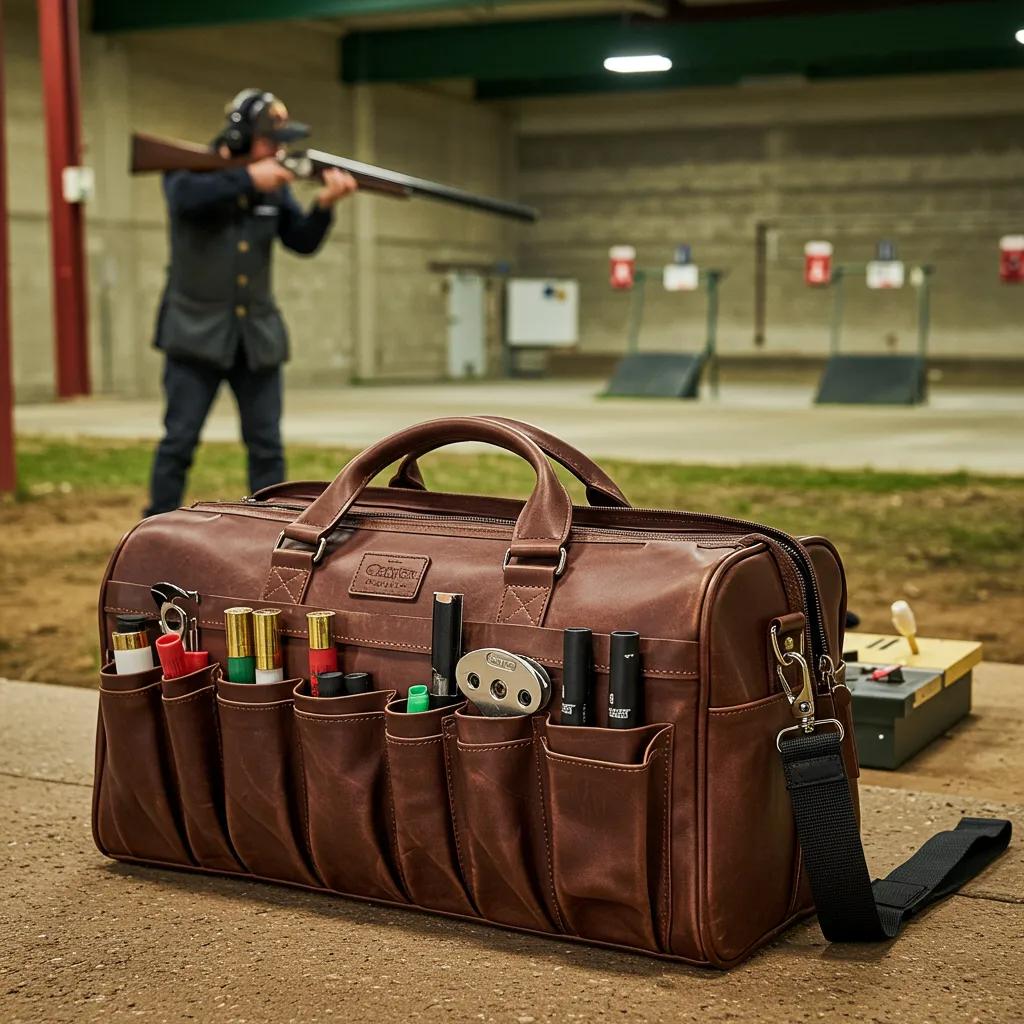
Leather range bags combine organized storage, quick access, and protective compartments tailored for competition and practice, bringing a professional presentation to range logistics. Typical designs include designated shell pockets, separate padded compartments for actions, reinforced bottoms for ground contact, and wide access openings for rapid retrieval during a match or practice session. Leather range bags favor bridle or structured hides for form retention and often pair with fleece-lined sections to prevent finish contact; they are especially valued by competitive shooters who need organized storage and immediate access. Designed correctly, a range bag improves efficiency and gun safety at the range while conveying a polished aesthetic.
Which Key Features Should You Look for in Durable Leather Shotgun Cases?
Selecting a durable leather shotgun case demands attention to lining, padding, hardware, stitching, and ergonomics because these attributes determine real-world protection and longevity. Look for soft linings that prevent scratches, adequate internal padding to absorb shocks, brass or heavy-duty hardware for closures, reinforced stitching at stress points, and ergonomically placed straps to reduce fatigue during carry. Below is a concise checklist to evaluate candidate cases and ensure the material and construction meet your use-case needs.
Key feature checklist to evaluate leather shotgun cases:
- Lining and Padding: Soft fleece or shearling lining with at least 6–10 mm of foam padding at critical contact points.
- Hardware Quality: Brass fittings or heavy-duty zippers and rivets that resist corrosion and maintain closure integrity.
- Stitching and Reinforcement: Reinforced saddle or hand-stitching at stress points and finished edges to prevent delamination.
These durable features form the baseline for assessing cases, and the table below compares common materials and lining trade-offs for practical selection.
| Material / Component | Characteristic | Practical Value |
|---|---|---|
| Full-Grain Leather | Dense fibers, ages to patina | High abrasion resistance, long lifespan |
| Bridle Leather | Firm, structured finish | Maintains shape, polished appearance |
| Waxed Canvas Hybrid | Water-resistant face layer | Lightweight weather resistance with leather accents |
This comparison clarifies how material choice affects protection and presentation. The next paragraph explains lining specifics and directs readers to security and hardware considerations.
How Does Fleece or Shearling Lining Protect Your Firearm?
Soft linings like fleece or shearling create a protective interface between metal finishes and leather, absorbing micro-abrasions and limiting contact wear over repeated use. Fleece liners provide consistent scratch prevention and are lightweight, while shearling offers thicker, more natural cushioning and some thermal buffering that can moderate temperature swings affecting metal. Both linings help dampen vibration during transport and reduce the chance of finish rub in areas like the receiver and barrel, and they require periodic cleaning or brushing to remove grit that could abrade surfaces. Choosing the right lining depends on balancing protection needs against weight and maintenance considerations.
What Hardware and Security Features Are Essential?
Reliable hardware—brass buckles, heavy-duty zippers, reinforced rivets, and optional lockable closures—ensures closures remain secure and functional during travel and repeated use. Brass hardware resists corrosion and complements leather aesthetics, while heavy zippers and rivets indicate manufacturing quality and load-bearing capacity. For checked travel, reinforced closures and the ability to add or integrate locks enhance security, but remember that leather cases, even with locks, do not replace hard-shell TSA-compliant boxes for fragile or high-risk transport. Inspect hardware for smooth operation and solid anchoring to stitch lines; weak hardware is a primary failure point in lower-quality cases.
How Do Adjustable Straps and Pockets Improve Functionality?
Adjustable straps and smart pocket layouts improve ergonomics, distribute load, and keep essential items accessible, enhancing the shooter’s experience in both the field and at the range. Wide, padded shoulder straps decrease fatigue on long walks, while crossbody adjustability permits quick access to the gun without fully removing the case; exterior pockets sized for choke tubes, cleaning kits, or shell packets reduce retrieval time. Pocket placement and closure style (flap vs zip) affect speed and security, so consider the intended activity: quick-access flaps for sporting clays, secure zip pockets for travel. Thoughtful strap design and pocket layout convert a protective case into an efficient shooting accessory.
How to Choose the Right Size and Style of Leather Shotgun Case?
Choosing the right size and style relies on a simple measurement workflow and a use-case mapping that connects firearm type, travel needs, and field handling preferences to specific case forms. Measure overall length, barrel length, receiver dimensions, and choke extensions for full-length guns; for breakdown guns, record disassembled component lengths and receiver-to-barrel interfaces. Use-case mapping—upland hunting, sporting clays, or travel—then informs padding, lining, and closure choices. The measurement table below clarifies which dimensions matter for each case type and supports ordering decisions.
| Case Type | Required Measurements | Ordering Tip |
|---|---|---|
| Full-Length Slip | Overall length, barrel diameter | Add 1–2 inches for breathing and cover |
| Breakdown Case | Barrel length, receiver length, component diameters | Provide each component length and choke length |
| Range Bag | Action length, accessory dimensions | Confirm pocket sizing for shells and tools |
This table helps standardize measurement data for accurate ordering and ensures fit-driven protection. Next, a practical measurement checklist breaks down the steps to capture these dimensions accurately.
What Measurements Are Needed for a Perfect Fit?
A perfect fit starts with precise measurements: overall assembled length, barrel length from muzzle to chamber face, receiver length, and choke or muzzle attachments that extend length. For disassemblable guns, measure each component separately and include the widest diameter of barrels or scopes; allow a 1–2 inch clearance for padding and handling tolerance. Record where padding should be concentrated (receiver, barrel ends) and specify these points when ordering a bespoke case. Accurate measurement prevents movement inside the case and ensures linings and padding align with vulnerable areas, which is critical for both protection and comfort.
How Do Use Cases Like Hunting, Sporting Clays, and Travel Affect Case Choice?
Use-case dictates which features are prioritized: upland hunting favors lightweight full-length slips with abrasion-resistant hides and minimal bulk, sporting clays emphasize quick access pockets and organized storage, while travel demands reinforced panels, lockable closures, and possibly hybrid hard-shell solutions. Trade-offs arise when a buyer needs multi-use functionality—combination designs can deliver adequate protection and organization but may increase weight. For hybrid buyers, prioritize adjustable straps and modular liners that convert between field and travel configurations to balance accessibility and security. Mapping these use-cases to case features ensures you select a style that aligns with your primary shooting activities.
What Are the Differences Between Gun Cases, Slips, and Scabbards?
Gun cases, slips, and scabbards differ mainly in structure, access, and protection level: slips are sleeve-like and emphasize scratch protection and simplicity, cases are structured with padding and closures for transport, and scabbards are minimal covers often used for close-quarters carry or mounting. Slips work well for storage and brush protection; cases are better for travel and organized transport; scabbards are ideal for quick on-person carry on horseback or in vehicles. The decision between them depends on protection needs, access speed, and aesthetic preference, directing the buyer toward the most suitable form factor.
Note on bespoke sizing and ordering workflows: manufacturers with made-to-order capability can accommodate exact measurements and custom pocket layouts. When preparing to order, compile a measurement checklist and a specification sheet that lists leather type, lining material, strap style, and hardware choices to streamline production and ensure accuracy.
How to Care for and Maintain Your Leather Shotgun Case for Longevity?
Routine care extends a leather case’s protective life: dry brushing to remove grit after field use, spot cleaning with mild leather cleaners, periodic conditioning to replenish oils, and proper dry storage to avoid mold or distortion. A basic maintenance schedule balances frequent light care with periodic deep conditioning and inspection for stitching or hardware wear. Understanding these routines prevents common failures like dryness, cracking, or hardware corrosion, and the care methods below provide step-by-step guidance for both quick field actions and seasonal maintenance.
Daily and periodic maintenance checklist:
- Daily: Remove grit, shake out linings, and air-dry the case after damp use.
- Monthly: Inspect stitching and hardware; brush linings and spot-clean visible dirt.
- Seasonal: Condition leather with an appropriate leather conditioner and re-inspect padding.
This schedule gives a practical cadence that protects both the hide and internal linings; the next sub-sections offer specific cleaning and moisture mitigation steps.
What Are the Best Practices for Cleaning Full-Grain Leather Cases?
Cleaning full-grain leather starts with dry brushing to remove dirt, followed by a damp cloth wipe with a pH-neutral leather cleaner for stubborn spots, avoiding detergents or solvents that strip oils. Work in small areas, allow the leather to dry naturally away from direct heat, and always finish with a light application of conditioner to restore suppleness. Frequency depends on use: after heavy field season, perform a thorough clean; under light use, a gentle brush and conditioning every few months suffices. A measured, gentle approach preserves grain integrity and ensures stitching and edges remain stable over time.
How Can You Protect Leather Cases from Moisture and Damage?
If a leather case gets wet, blot excess water and allow it to dry at room temperature in a well-ventilated area; do not use direct heat which can cause shrinkage or cracking. For field weatherproofing, temporary solutions include waxed treatments or top-coat sprays that add surface water resistance while preserving breathability—apply these sparingly and test an inconspicuous area first. Long-term storage should be in a cool, dry, and breathable environment with silica sachets if humidity is a concern; avoid plastic bags that trap moisture and promote mildew. Proactive steps and informed finish choices reduce the risk of water damage without sacrificing leather character.
When Should You Condition or Restore Your Leather Shotgun Case?
Condition leather when it shows visual or tactile signs of dryness—matte appearance, stiffness, or minor surface cracks—and perform a light conditioning at least once per shooting season or more frequently with heavy use. Restoration or professional refurbishment is warranted when stitching fails, edge separation appears, or surface damage exceeds simple conditioning repair; these thresholds indicate structural attention beyond routine maintenance. Seasonal conditioning and prompt repair of minor wear prevent small issues from becoming costly restoration projects, maintaining both protection and aesthetic value.
What Customization Options Does Pakistan Leather Offer for Shotgun Cases?
Manufacturers with bespoke capabilities enable buyers to specify hide types, hardware, color development, hand-stitching, and bulk production parameters that suit retail or export needs; Pakistan Leather is one such manufacturer and exporter with experience in made-up leather products and promotional leather items. Pakistan Leather emphasizes custom, hand-stitched items and offers a variety of hides—sheep, goat, cow, and buffalo—plus custom color development and production capability for leather cases and holders. For buyers seeking branded or bulk orders, these capabilities mean tailored material selection, finish options, and reinforced hand-stitching can be specified to align with function and aesthetic goals.
Customization options table and buyer benefits:
| Customization Area | Available Options | Buyer Benefit |
|---|---|---|
| Material | Sheep, Goat, Cow, Buffalo hides | Match durability and price to use-case |
| Finishing | Custom color development, waxed/oiled options | Branded aesthetics and weather resistance |
| Construction | Hand-stitching, hardware choices | Reinforced durability and artisan appearance |
This table maps manufacturer options to practical buyer outcomes and helps importers or retailers design specification sheets. After selecting options, a short specification checklist helps prepare a request for quote.
Customization next steps and B2B checklist:
- Prepare a specification sheet: Include measurements, preferred hide, lining choice, padding thickness, hardware finish, and stitch style.
- Request samples: Ask for hide and finish swatches to confirm color and hand.
- Request a quote: Provide production quantities and packaging expectations for bulk pricing.
These steps guide B2B buyers toward clear, producible specifications without assuming contact details or lead times. Understanding production capabilities and presenting a concise spec sheet streamlines discussions with manufacturers who handle leather promotional items and made-up products.
How Can You Select Leather Types and Colors for Your Custom Case?
Choose leather types based on the intended duty cycle: sheep and goat hides offer lighter weight and flexibility for slips and range bags, cow and buffalo provide thicker, more abrasion-resistant options for heavy field use and structured cases. Color and finish decisions—oiled, waxed, or natural—affect water resistance and aging behavior; darker oiled finishes often mask wear for hunting, while polished bridle finishes suit presentation pieces. When planning a custom order, request hide samples and clearly state finish expectations in the specification sheet so production aligns with functional priorities and brand aesthetics.
What Hand-Stitched Features Enhance Craftsmanship and Durability?
Hand-stitching at stress points—strap anchors, edge seams, and pocket mouths—adds both visual craft value and mechanical durability because individual stitches can be reinforced and are less likely to unravel than many machine seams. Saddle stitching and reinforced bartacks at high-load areas prevent seam failure, while edge burnishing and folded hems reduce abrasion at contact lines. Visible hand-stitching also signals artisan quality to buyers and supports higher perceived value for gifts and retail items, reinforcing the long-term performance of the case.
How Does Pakistan Leather Cater to Both B2B and B2C Customers?
As a manufacturer and exporter of premium leather garments and made-up leather products, Pakistan Leather can support both small custom runs and larger B2B orders for promotional leather cases and holders. Their capabilities include multiple hide sources, hand-stitched craftsmanship, and custom color development—advantages that appeal to retailers, clubs, or international buyers seeking bespoke products. Recommended next steps for prospective buyers are to compile a clear specification checklist, request material samples, and solicit a formal quote to confirm production feasibility and pricing for bulk or made-to-order runs.
What Are the Best Practices for Using Leather Shotgun Cases in Field and Range Settings?
Best practices for real-world use emphasize quick post-field cleaning, secure transport, and safe storage to preserve both firearm finishes and case integrity. After field use, remove grit promptly, allow the case to air-dry if damp, and inspect linings for debris that may abrade metal. For range transport, organize ammunition and cleaning kits in separate pockets, keep firearms unloaded and actions open when possible, and position cases securely in vehicles to prevent shifting; these operational routines reduce wear and improve safety. The final subsections explain weather performance, range organization, and safe storage practices to integrate into regular handling.
How Do Leather Cases Perform in Weather-Exposed Hunting Environments?
Leather performs well in moderate exposure but has realistic limits in sustained rain or immersion; temporary field tactics—using a waxed topcoat, covering the case during heavy rain, and allowing thorough drying afterward—mitigate short-term moisture exposure. Leather → resists → light moisture with appropriate finishing, but prolonged wetting can soften stitching and promote mold if not dried correctly. For extended wet conditions, consider hybrid options or carry a secondary waterproof cover; always perform post-field cleaning and conditioning to restore protective oils and prevent long-term damage.
What Makes Leather Cases Ideal for Organized Range Transport?
Leather cases lend themselves to organized range transport through compartmentalization, stable structure, and quick-access designs that keep shells, tools, and cleaning kits separated from firearms. Compartments reduce internal movement and protect actions from incidental contact, while durable bottoms and reinforced straps prevent ground damage during range routines. For competitive shooters, a well-designed leather range bag improves speed and presentation by keeping gear accessible and protected, encouraging efficient transitions between shooting stages.
How to Safely Store and Transport Shotguns Using Leather Cases?
Safe storage and transport practices include keeping firearms unloaded, using trigger locks when practical, separating ammunition from the weapon, and securing the case in a vehicle to prevent sliding or impact. At home, store leather-wrapped firearms in a cool, humidity-controlled location and avoid stacking heavy objects on top of cases to prevent deformation. Always follow applicable legal requirements for transport and storage; these operational precautions complement case-based protection to ensure firearms remain safe and well-preserved between uses.


