
Ethical Issues in Leather Production

Ethical Leather Production: Animal Welfare, Fair Labor & Sustainable Practices
Ethical leather production means sourcing and making leather in ways that respect animal welfare, protect workers, and limit environmental harm—so buyers can rely on product quality and traceability. This article highlights the main ethical issues across the leather supply chain, explains how those concerns show up in sourcing and processing, and offers practical steps responsible manufacturers and buyers can take to reduce harm while preserving product performance. You’ll learn how animal care and slaughter practices influence hide quality, which tanning choices drive pollution, and what worker protections are essential in tanneries and workshops. The guide also lists verification steps for buyers, outlines lower‑impact tanning options, and explains how transparency and certifications lower commercial and reputational risk. Throughout, we use terms like animal welfare, fair labor, sustainable tanning, and transparent supply chain to help retailers and wholesalers make informed decisions.
What Are the Key Ethical Concerns in Leather Production?
Ethical concerns in leather center on three linked areas: animal welfare, worker rights, and environmental impact. Each affects product quality, regulatory compliance, and brand reputation. Animal welfare influences hide condition and traceability; fair labor affects worker safety, turnover, and consistency; and tanning and processing drive environmental risk. Brands and buyers must address all three to reduce supply‑chain exposure, maintain market access, and meet growing consumer expectations. The following sections unpack how animal welfare influences sourcing and which labor practices matter for responsible leather manufacturing.
How Does Animal Welfare Impact Leather Sourcing?
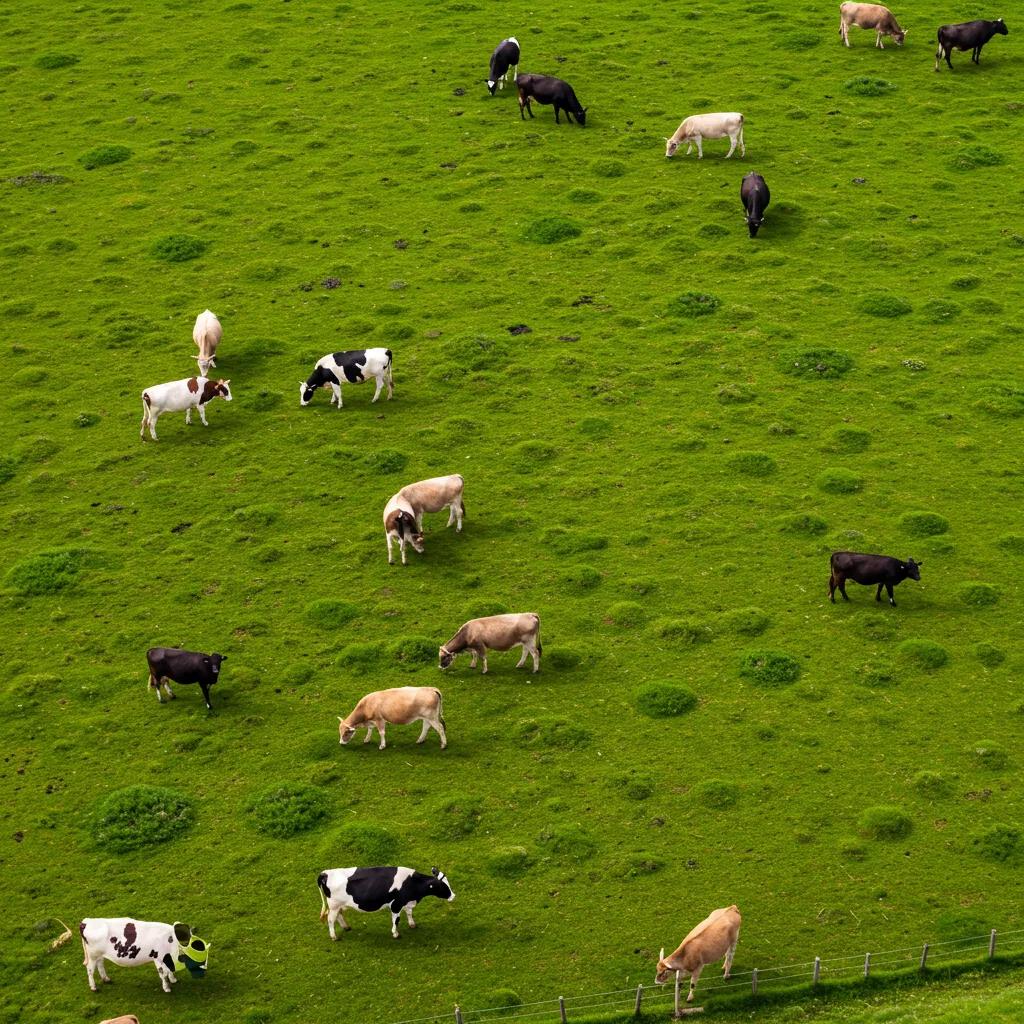
Animal welfare directly affects hide condition, durability, and uniformity: stressed, sick, or poorly handled animals produce defects that reduce usable leather and increase waste. Responsible sourcing includes documented animal origin, humane transport and slaughter, and veterinary oversight that protect hide integrity and reduce contamination. Buyers should request provenance documents and ask suppliers about on‑farm practices—traceable origin supports both quality control and ethical claims. Knowing these sourcing indicators helps manufacturers and importers choose hides that deliver consistent performance while aligning with accepted welfare standards.
Scholarly work on animal ethics in fashion underscores the need for clearer standards and greater industry awareness around how animals are used in production.
Animal Ethics and Welfare in Fashion: Challenges and Responsibilities
This study contributes to the ongoing conversation about animal use in fashion and lifestyle industries, examining attitudes and practices in animal production and welfare. It explores why ethical standards must be applied and implemented, and it highlights challenges in how animals are used for apparel and related products. The paper discusses environmental impacts, gaps in awareness, and research on ethical consumption—asking decision makers to treat animal ethics alongside human rights and environmental concerns. Rather than relying on emotive images, the chapter uses a balanced approach to encourage producers, designers, and policy makers to improve conditions for animals while meeting human needs and industry demands.
What Fair Labor Practices Are Essential in Leather Manufacturing?
Fair labor in leather manufacturing means living wages, no child or forced labor, safe working conditions, and access to health care and grievance channels for tannery and stitching teams. Practical measures include appropriate PPE for tannery staff, ergonomically designed workstations for stitchers, regular health screenings, and transparent payroll records available during audits. Third‑party audits and corrective action plans let buyers verify commitments and reduce supply‑chain risk. Proper labor practices protect worker health, lower turnover, and help ensure consistent product quality across production runs.
How Does Leather Production Affect the Environment?
Leather production affects the environment through livestock emissions and land use, chemical‑intensive tanning, and wastewater discharge—each stage creates impacts buyers and manufacturers must manage. Conventional chrome tanning, heavy water use, and untreated effluent pose pollution risks to waterways and soil, while livestock rearing contributes greenhouse gases and land pressure. Mitigation options include adopting lower‑impact tanning methods, installing effective effluent treatment, and improving sourcing to reduce embedded emissions. The section below outlines the main environmental risks tied to conventional tanning and compares those impacts with eco‑tanning alternatives.
Leather production presents several primary environmental risks:
- Water pollution from tannery effluent containing chromium and other chemicals.
- High freshwater consumption during hide processing and tanning.
- Greenhouse gas emissions from livestock and downstream processing.
These risks generate regulatory, reputational, and supply‑chain continuity concerns that require clear mitigation plans and investment in cleaner technology.
Tanning methods have different environmental profiles. The table below compares conventional chrome tanning with vegetable and eco‑friendly approaches to show typical trade‑offs.
| Tanning Approach | Primary Environmental Characteristic | Typical Mitigation or Outcome |
|---|---|---|
| Chrome tanning | Uses chromium salts; high risk of heavy‑metal contamination if effluent is untreated | Needs advanced effluent treatment; faster processing times |
| Vegetable tanning | Uses plant‑based tannins; lower heavy‑metal risk | Produces more biodegradable effluent; longer processing cycles |
| Eco / chrome‑free methods | Avoid chromium; may use synthetic or recycled inputs | Lower heavy‑metal risk; overall chemical footprint varies by inputs |
What Are the Environmental Risks of Conventional Tanning?
Conventional tanning typically relies on chromium salts and other stabilizers that, if not treated properly, can pollute surface waters and build up in sediments, threatening ecosystems and human health. Large water volumes used in tanneries strain local freshwater supplies, and inadequate wastewater treatment increases toxicity and regulatory non‑compliance risk. Workers and nearby communities face exposure risks if hazardous chemicals enter the environment, so monitoring and treatment are essential. Addressing these risks often requires capital investments in effluent treatment plants, chemical substitution strategies, and strict monitoring protocols.
The routine use of chrome tanning in parts of the leather industry raises documented environmental and health concerns because of the toxic nature of some tanning chemicals and their byproducts.
Environmental and Health Impacts of Chrome Tanning in the Leather Industry
The leather industry is recognized as a heavy‑polluting sector in some regions, producing hazardous waste chemicals and tannery effluents. Chrome tanning, widely used in commercial practice, depends on basic chromium salts that are a major source of chromium pollution. Chromium contamination can harm ecosystems and human health—reported effects include respiratory problems, reproductive issues, and increased cancer risk among exposed workers. The article outlines greener alternatives and waste‑management approaches to reduce these toxic impacts and protect both people and the environment.
Which Eco-Friendly Leather Alternatives Reduce Environmental Harm?
Eco‑friendly options include vegetable‑tanned leather, chrome‑free processes, recycled leather blends, and emerging plant‑based materials. Each choice balances environmental gains and performance trade‑offs. Vegetable‑tanning lowers heavy‑metal risk and can improve biodegradability; recycled leather reduces demand for new hides but may vary in durability depending on processing; and plant‑based leathers (mycelium, cactus, etc.) cut reliance on animal hides but currently differ in longevity and finish compared with high‑end traditional leathers. Match material choice to product needs—heavy‑use items like jackets and sturdy bags often require robust traditional leathers, while some accessories can use recycled or plant‑based materials.
How Does Pakistan Leather Ensure Ethical Leather Production?
Pakistan Leather presents itself as a manufacturer and exporter of premium leather garments and goods—jackets, bags, wallets, belts, and accessories—emphasizing custom, hand-stitched products and craftsmanship sourced from sheep, goat, cow, and buffalo hides. The company focuses on traceability and in‑factory quality control through documented supplier relationships and production checks that link product durability to sourcing claims. Wholesale buyers can request production specifications and terms directly from Pakistan Leather to assess fit for retail or export orders. The next section explains animal welfare standards and traceability steps that form the basis of supplier verification.
Note: the table below shows traceability stages and what each step verifies for buyer confidence.
| Supply Stage | What Is Verified | Outcome / Evidence |
|---|---|---|
| Farm / Origin | Animal species and geographic origin documented | Source certificates and transportation logs |
| Slaughterhouse | Handling and basic welfare checks recorded | Slaughter records linked to origin |
| Tannery | Hide processing records and chemical treatment details | Tannery batch logs and treatment records |
| Factory | Manufacturing quality checks and stitching records | Product‑level QC reports and photos |
What Animal Welfare Standards Does Pakistan Leather Follow?
Pakistan Leather follows a sourcing approach that favors suppliers able to provide origin documentation and prioritizes hides from common livestock categories: sheep, goat, cow, and buffalo. The company uses traceability steps to link hides back to slaughter records and origin certificates when available, enabling buyers to evaluate welfare indicators indirectly through documentation. We encourage buyers to request supplier codes of conduct and origin paperwork during due diligence so they can confirm whether sourcing meets their specific welfare expectations. Clear documentation supports both product quality and ethical transparency for export and wholesale partnerships.
How Are Fair Labor Practices Implemented at Pakistan Leather?
Pakistan Leather maintains in‑factory quality and safety controls, integrating worker health and safety measures into hand‑stitching and finishing workflows. The company recommends that prospective wholesale clients review factory audit summaries, safety protocols, and any available labor policy documents to assess compliance with fair labor standards. Practical measures include standard PPE for tannery tasks, documented training for stitching teams, and quality checks that also surface unsafe practices. Providing audit‑ready documentation and worker training records helps buyers evaluate labor standards and build lasting commercial relationships.
What Sustainable Tanning Methods Does Pakistan Leather Use?
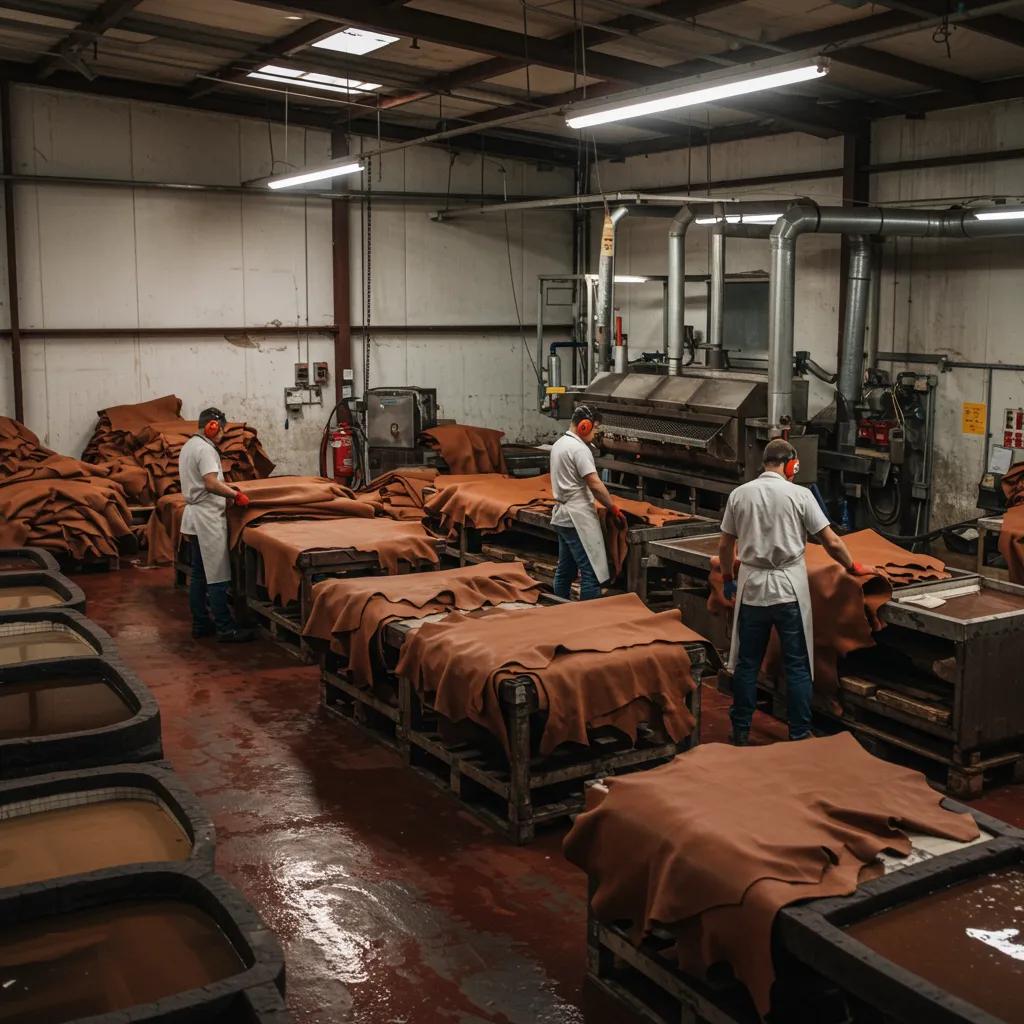
Pakistan Leather describes a commitment to managing tanning impacts through process controls and offers lower‑impact tanning options on request, such as vegetable or chrome‑reduced methods where feasible. Technical details and environmental reports are available from the manufacturer on request so buyers can compare water use, chemical steps, and effluent management across product lines. Since tanning choices affect colorfastness and durability, buyers should specify preferred methods when ordering jackets, bags, or belts to balance performance with sustainability goals. Request technical specifications and treatment records to assess environmental trade‑offs for each leather category.
Why Is Transparency Important in Ethical Leather Supply Chains?
Transparency and traceability reduce risk by letting buyers confirm sourcing, labor conditions, and environmental controls—turning ethical claims into verifiable documentation that supports compliance and consumer trust. Opaque supply chains increase the chance of reputational damage, regulatory fines, and quality failures, while transparent systems make corrective action possible and improve supplier relationships. For commercial buyers, traceability is a practical risk‑management tool linking procurement to evidence—origin certificates, tannery logs, and factory QC reports. The next section shows the traceability artifacts buyers should request and how Pakistan Leather supports those checks.
Below is a simple map linking common traceability artifacts to the verification paths buyers typically request.
| Traceability Mechanism | What It Tracks | Certification / Verification |
|---|---|---|
| Origin certificates | Animal source and region | Internal documentation or on‑site audit |
| Tannery treatment logs | Chemicals used and process steps | Internal reports and third‑party testing |
| Factory QC reports | Product‑level inspections and defect records | Internal audits or buyer inspections |
| Third‑party audits | Labor and environmental compliance | Independent audit reports (when available) |
How Does Pakistan Leather Maintain Supply Chain Transparency?
Pakistan Leather follows a numbered traceability process that tracks hides from farm origin through slaughterhouse, tannery, and final factory assembly, keeping records at each stage to support buyer verification. Buyers should request specific artifacts—origin certificates at the farm level, tannery treatment records, and factory QC reports—to create a linked audit trail. The company can provide a traceability schematic and specification sheet on request for wholesale clients, helping importers evaluate supply‑chain continuity and sourcing fit. This structured approach reduces commercial risk and strengthens claims about material origin and processing.
What Certifications Validate Ethical Leather Production?
Several reputable third‑party certifications can help validate ethical leather production, but buyers should confirm which certificates apply to each supplier rather than assume coverage. Look for validators that assess environmental management, chemical use, and social compliance. Common references include Leather Working Group (LWG) assessments for tanneries, social compliance audits for factories, and recognized international labor standards for worker protection. Certifications differ in scope—some focus on effluent and finishing, others on labor—so choose validators that align with your primary risk concerns and accept only verifiable supplier documentation.
What Are the Benefits of Choosing Ethical and Sustainable Leather Goods?
Choosing ethical leather gives buyers and consumers greater durability, repairability, and lower reputational risk—delivering long‑term value that often justifies a premium. Ethically produced leather typically shows steadier quality thanks to better‑sourced hides and controlled processing, which reduces returns and improves customer satisfaction. Brands that promote traceability and craftsmanship can position products as premium, supporting higher margins and stronger wholesale relationships. Below are common buyer benefits tied to ethical sourcing.
Ethical leather offers clear buyer advantages:
- Durability and Longevity: Properly sourced hides and controlled tanning result in products that last longer.
- Reduced Reputational Risk: Traceability lowers exposure to controversies that can harm brands.
- Premium Positioning: Documented craftsmanship and provenance support higher retail and wholesale prices.
How Does Ethical Leather Promote Product Longevity and Quality?
Ethical leather production emphasizes careful hide selection, controlled tanning, and skilled finishing—factors that improve tensile strength, color stability, and wear resistance. When manufacturers document tannery methods and run rigorous in‑line QC, defects surface early and are corrected, producing more consistent batches for jackets, bags, and wallets. Buyers should request technical specifications and available warranties to estimate expected product life and reduce uncertainty in bulk orders. Highlighting longevity in marketing and wholesale materials helps shift consumer behavior toward repair, reuse, and durable purchases.
What Role Does Ethical Leather Play in Combating Fast Fashion?
Ethical leather supports circular‑economy principles by encouraging repairable design, durable construction, and slower consumption patterns that counter fast fashion. Brands and wholesalers can promote repair services, spare‑part availability, and higher‑quality construction to encourage customers to buy fewer, longer‑lasting items. Practical retail tactics include educating buyers on leather care and offering refurbishment services to extend product life. These strategies let wholesale partners position leather goods as investment pieces that appeal to sustainability‑minded shoppers.
What Are Common Questions About Ethical Leather Production?
Buyers and consumers often ask whether leather is a byproduct of meat production, how production affects worker health, and what credible alternatives exist. Clear, concise answers help procurement decisions. The FAQ below gives direct, buyer‑focused responses and recommended verification steps to support due diligence without overstating supplier claims.
Is Leather a Byproduct of Meat Production?
Leather is frequently described as a byproduct of meat production because hides usually come from animals raised primarily for meat. However, accounting practices vary by supply chain and region—some operations treat hides as co‑products with separate economic value. Buyers should verify claims by requesting origin documentation and slaughter records to determine how hides were classified at source. Clear records clarify whether a hide was truly a byproduct or a co‑product, informing ethical purchasing choices.
How Does Leather Production Affect Worker Health and Safety?
Leather production exposes workers to chemical and ergonomic hazards—tanning chemicals, dust, repetitive tasks, and potential biological contamination—so PPE, ventilation, and medical monitoring are necessary to reduce risks. Standard protections include respirators and gloves in tanneries, routine health checks, ergonomic tool design for stitchers, and documented safety training. Buyers should request audit reports, safety policies, and corrective‑action histories to confirm ongoing worker protection. Regular third‑party audits and transparent incident reporting strengthen buyer confidence in workplace safety.
What Are the Most Trusted Alternatives to Conventional Leather?
Trusted alternatives include recycled leather blends, vegetable‑tanned leathers, and emerging plant‑based materials such as mycelium and cactus‑based substrates. Each option balances durability, appearance, and environmental impact. Recycled leather is suitable for many accessories and reduces demand for new hides; vegetable‑tanned leathers lower heavy‑metal risk and fit premium goods; plant‑based materials are evolving and may suit low‑impact items but require verification for longevity. Buyers should match the alternative to the product use case and request performance specs and samples for testing.
- Recycled Leather: Well suited to accessories; reduces demand for new raw hides.
- Vegetable‑tanned Leather: Lower heavy‑metal risk; ideal for premium, artisanal goods.
- Plant‑based Materials: Emerging low‑impact options; verify long‑term durability.
These alternatives give buyers a range of choices to differentiate products while addressing ethical and environmental priorities.
End of article
Frequently Asked Questions
What are the long-term benefits of choosing ethical leather products?
Buying ethical leather delivers long‑term value: enhanced durability and longevity from better hides and controlled tanning, fewer returns, and stronger customer satisfaction. While ethical goods may carry a premium, they help protect brand reputation and build consumer trust. Investing in high‑quality, ethically produced leather lets retailers and wholesalers position their offerings as premium choices for conscious customers.
How can consumers verify the ethical claims of leather products?
Consumers can ask brands for documentation supporting sourcing and production—origin certificates, tannery treatment logs, and factory QC reports are useful. Third‑party certifications, like Leather Working Group assessments, add confidence when present. Engaging directly with brands about supply‑chain transparency and reviewing available documentation helps consumers make informed purchases.
What role do certifications play in ethical leather production?
Certifications provide a structured way to assess environmental and social performance. They help buyers identify suppliers following responsible practices—LWG for tanneries and social compliance audits for factories are common examples. Because certifications vary in focus, buyers should confirm that a certificate covers the specific risks they care about and request verifiable documentation from suppliers.
How does ethical leather production contribute to environmental sustainability?
Ethical leather production supports sustainability by prioritizing lower‑impact tanning methods (for example, vegetable tanning), reducing harmful chemical use, and improving wastewater and waste management. Better sourcing practices also ensure animals are raised under more humane conditions, which helps address animal welfare and environmental goals together. Taken as a whole, these steps lower the ecological footprint of leather goods.
What are the challenges faced by the leather industry in adopting ethical practices?
Adoption challenges include the expense of sustainable technologies, the need for full supply‑chain transparency, and market pressure for low‑cost products that can work against ethical upgrades. Many producers lack capital or technical knowledge to change processes quickly. Overcoming these barriers requires cooperation among brands, suppliers, and consumers to create demand and share the costs of transition.
How can buyers support ethical leather production in their purchasing decisions?
Buyers can support ethical production by prioritizing suppliers who demonstrate transparency and a real commitment to ethical practices—requesting sourcing documentation, production records, and labor policies. Choosing products with reputable certifications and investing in higher‑quality goods encourages suppliers to adopt better standards. By directing purchasing power toward responsible manufacturers, buyers help drive positive change in the industry.
Conclusion
Choosing ethical leather supports animal welfare and fair labor while promoting environmental practices that benefit people and the planet. Prioritizing transparency and traceability helps buyers verify product integrity and reduce reputational risk. Embracing these standards also yields higher‑quality, longer‑lasting leather goods that match modern consumer values. Browse our range of ethically sourced leather products today to make a responsible choice for your next order.


