
Ensuring Leather Quality
How to Identify and Ensure High‑Quality Leather: The Complete Guide
High‑quality leather starts with a well‑preserved animal hide: strong fiber structure, the right tanning process, and careful finishing. This guide breaks down what actually determines leather quality—hide selection, tanning, finishing, and quality control—and gives practical steps to spot, test, and care for premium leather so it keeps looking and performing well for years. We cut through marketing language to give clear definitions, measurable checks, and inspection steps that work for both consumers and wholesale buyers. Read on to learn the physical and performance features that define genuine leather, hands‑on tests to tell real from fake, how tanning affects durability and ageing, manufacturer QC expectations, and straightforward care and storage routines. Each section includes concise checklists and supplier-focused guidance so you can verify claims and set requirements for jackets, bags, wallets, or larger orders.
What Are the Key Characteristics of Genuine Leather Quality?
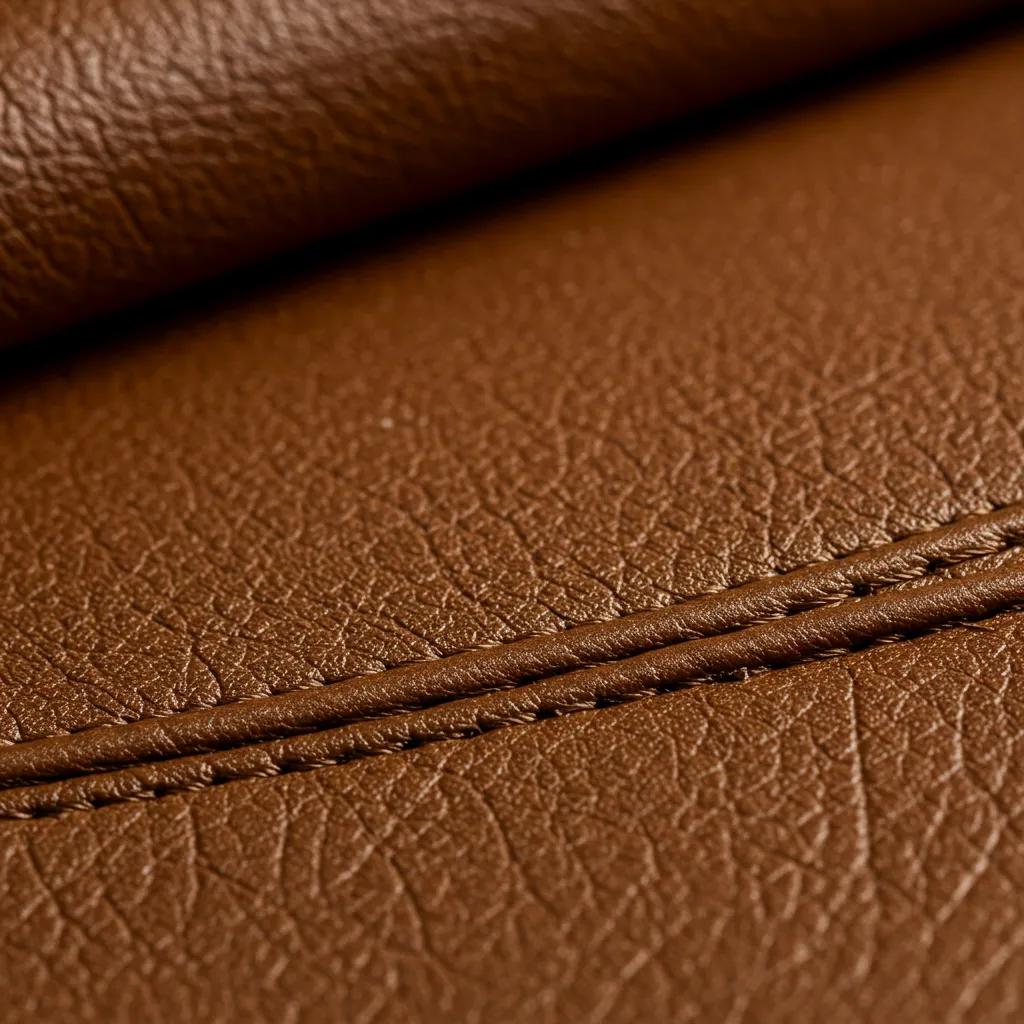
Quality leather shows intact grain, a coherent fiber network, appropriate thickness, and processing that preserves breathability and strength. These traits depend on the hide’s origin and on tanning and finishing steps—how fibers are stabilized, fatliquored, and finished—which together determine durability, feel, and how the leather develops with use. Premium leather has a natural, varied grain; a supple hand that springs back when flexed; a warm, organic leather scent rather than a chemical smell; and good resistance to tearing in normal use. Knowing these signs helps buyers set acceptance criteria and spot accurate product claims.
Below are the sensory and mechanical indicators to check when assessing a hide or a finished item.
- Grain Integrity: Natural, non‑repeating grain patterns that show minimal sanding or correction.
- Hand (Feel): Supple with a slight spring—never plasticky or brittle.
- Smell: A warm, organic leather aroma instead of sharp chemical notes.
- Thickness & Weight: Even thickness across panels, appropriate for the intended product.
- Performance: Noticeable tear resistance and breathability under gentle pressure.
These indicators link directly to performance: grain and fiber structure influence tensile strength and ageing; hand and smell reflect tanning and finishing choices. Next we explain how commonly used grade names map to these indicators in practice.
Which Leather Quality Grades Define Premium Leather?
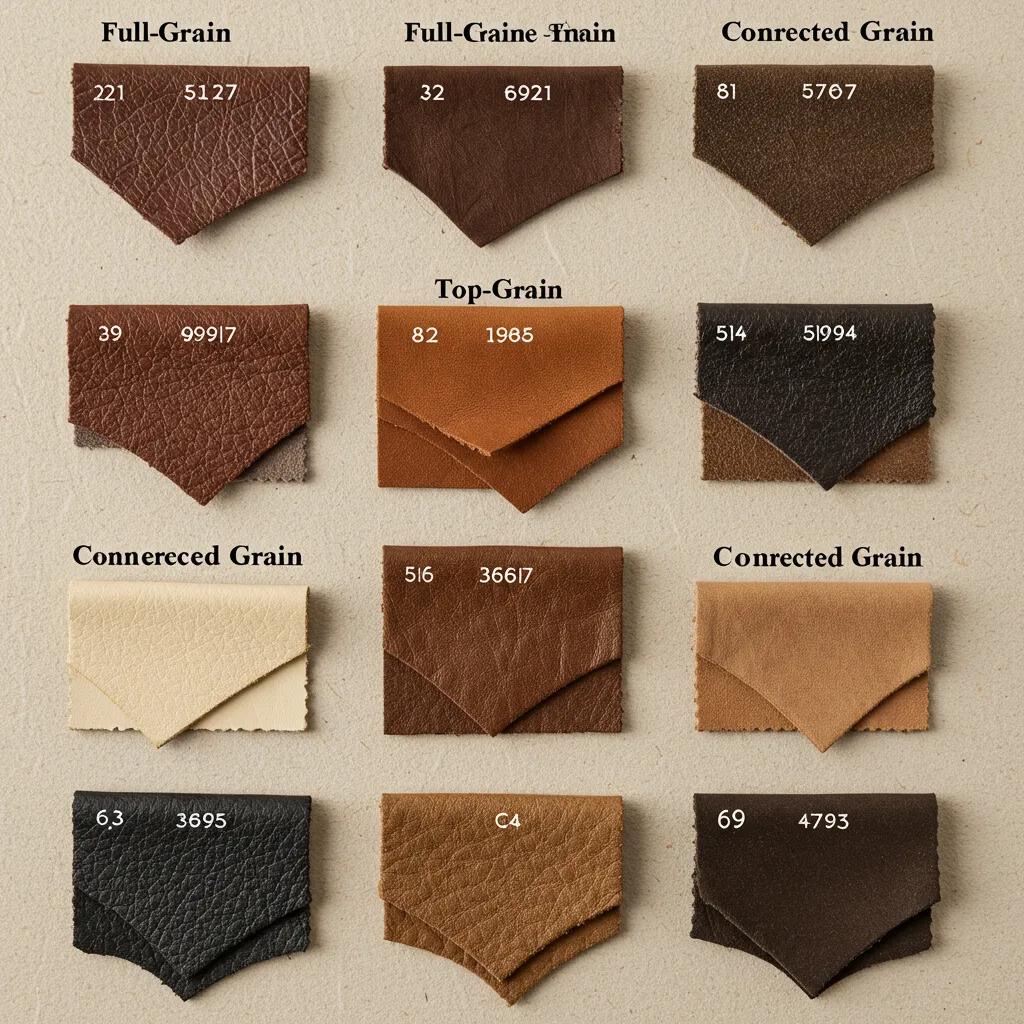
Leather grades describe the amount of surface correction and processing a hide has undergone. Full‑grain retains the outermost layer, keeping natural grain, fiber strength, and the best patina over time. Top‑grain is lightly sanded for a more uniform surface and a milder ageing pattern. Corrected‑grain and genuine (as commonly labeled) typically have heavier surface work and give a consistent look at the cost of long‑term character. Bonded leather is a reconstituted material and performs the poorest over time. Match grade to use: full‑grain for jackets and premium bags, top‑grain for mid‑range goods where finish uniformity matters, and avoid bonded leather for items meant to last.
| Leather Type | Characteristic | Quality Implication |
|---|---|---|
| Full‑grain leather | Natural grain preserved, minimal surface correction | Highest durability and attractive patina over time |
| Top‑grain leather | Sanded and finished for uniform appearance | Good balance of consistent look and strength |
| Corrected / Genuine leather | Surface corrected and dyed to conceal imperfections | More uniform look but lower long‑term ageing quality |
| Bonded leather | Reconstituted fibers and adhesives | Lowest durability; prone to peeling and delamination |
This comparison helps set realistic expectations: prefer preserved fiber structure for longevity and specify top‑grain only when a uniform finish is the priority.
How Do Leather Grain, Texture, and Smell Indicate Quality?
Grain, texture, and smell are immediate, non‑destructive clues to tanning and finishing choices and to whether a hide is natural or heavily processed. Natural grain shows small, non‑repeating irregularities—an indicator of retained surface and stronger fiber continuity, which improves tensile strength and long‑term character. Texture and hand tell you about fatliquoring and finish: a well‑fatliquored hide feels supple and slightly oily, not stiff or slick. Smell is a quick authenticity cue: genuine leather has a warm, organic scent; acrid or chemical odors suggest synthetic coatings or adhesives.
Also inspect edges, stitch lines, and fold points: how the material flexes at seams reveals internal fiber cohesion and finish depth. These sensory signs let you infer manufacturing choices without lab work; later we cover simple home tests and visual checks to confirm authenticity more formally.
How Can You Identify Real Leather vs. Fake Leather?
Telling real leather from fake combines safe home tests, close visual inspection, and sensible label reading. Use tactile checks and simple, non‑destructive experiments that expose moisture behavior, grain response, and edge structure—natural hide has fibers and pores that act differently than plastics. For wholesale or export buys, pair these home checks with supplier verification and provenance documentation to reduce risk on larger orders.
Use the table below as a quick reference for common tests and expected outcomes.
| Test | What to do | Expected result (Real vs Fake) |
|---|---|---|
| Water drop | Place a small water droplet on the surface | Real: water absorbs slowly into the grain; Fake: water beads and remains on the surface |
| Flex / fold test | Bend or fold the material sharply | Real: irregular creasing and natural grain changes; Fake: uniform cracking or a plastic crease |
| Edge inspection | Examine a cut edge under good light | Real: fibrous, layered edge; Fake: smooth, uniform plastic or fabric core |
| Smell test | Smell near seams and inside linings | Real: warm, organic aroma; Fake: chemical, plastic or neutral smell |
What Are the Most Reliable Leather Testing Methods at Home?
Start with non‑destructive tests: they’re safe, quick, and reveal how the material behaves. The water drop test shows porosity—real leather absorbs a droplet slowly, synthetics repel it. The flex test shows creasing behavior—natural hides crease irregularly and recover, while fake materials can crack or hold a stiff fold. Inspect edges in bright light: genuine leather shows a fibrous cross‑section, synthetics look homogeneous. Finally, smell and warmth are useful—real leather has a subtle earthy scent and warms differently to the touch than plastic‑backed materials.
The unique structure of leather—collagen fibers woven in three dimensions—explains these behaviors and why simple tests are effective.
The Anatomy of Leather: Collagen Structure and Physical Properties
Leather is made from vertebrate skin by chemically stabilizing collagen—the fibrous protein that gives skin its structure. The natural three‑dimensional weave of collagen fibrils remains in the leather, and this paper explains how that weave relates to the physical properties observed under light and electron microscopes.
The anatomy of leather, 1975
- Water absorption: Place a tiny drop and watch absorption.
- Flex test: Fold and observe grain recovery and creasing behavior.
- Edge check: Look for a fibrous, layered edge versus smooth plastic.
- Smell and warmth: Note any organic aroma and how the surface warms.
If uncertainty remains after these checks, ask the supplier for documentation or a small sample lab test before placing a large order—destructive tests (burn tests, etc.) are not recommended for purchased goods.
Which Visual and Label Indicators Confirm Genuine Leather?
Labels and visual cues can support authenticity when you know what terms to trust and which to question. Reliable label language includes explicit grade terms like “full‑grain” or “top‑grain,” ideally with sourcing or tanning notes. Vague phrases such as “genuine leather” are often ambiguous and may point to corrected hides. Visual signs to trust are consistent but non‑repeating grain, neat stitch work that holds multiple layers without puckering, and exposed edge fibers. High‑resolution photos that include grain close‑ups and cut edges, plus descriptions that list hide type (sheep, goat, cow, buffalo) and processing steps, increase confidence.
- Trusted label terms: full‑grain, top‑grain, vegetable‑tanned.
- Terms to be cautious of: “genuine leather” (ambiguous), bonded leather.
- Visual checks: natural grain irregularity, consistent stitching, exposed edges.
When labels, photos, and hands‑on tests align, you can be reasonably confident the item is genuine; if anything conflicts, request batch samples or a detailed material specification sheet from the supplier.
What Is the Role of Quality Control in Ensuring Leather Excellence?
Quality control (QC) is the system of inspections and tests that links raw hide selection, tanning batches, cutting, assembly, and finishing to clear performance and appearance standards. Effective QC turns measurable checks—colorfastness, tear strength, stitch integrity, dimensional tolerances—into acceptance criteria that reduce returns and keep products consistent across runs. QC ties sourcing to finished outcomes: incoming hide checks reduce variability, tannery batch checks ensure color and penetration, in‑process audits catch assembly errors early, and final inspections verify both aesthetics and mechanical performance. For wholesale buyers, specifying QC checkpoints and tolerances in purchase orders protects product quality and supply reliability.
Manufacturers and exporters who invest in QC can deliver repeatable results. Pakistan Leather, which operates as an e‑commerce hub and manufacturer/exporter of fashion leather garments and goods, highlights a dedicated quality control workflow and hand‑stitched craftsmanship across jackets, bags, wallets, and promotional items. The company lists capabilities like custom color matching and works with multiple hides (sheep, goat, cow, buffalo) to meet product specifications; buyers can reference these capabilities when defining batch acceptance criteria and inspection plans.
The section that follows outlines a practical QC checklist and the typical stages a buyer should expect in a manufacturer’s QC workflow.
How Does Pakistan Leather’s Quality Control Process Work?
Pakistan Leather describes a QC process focused on incoming material selection, staged checks during tanning and assembly, and finished‑goods inspections that verify both appearance and function. At a glance the workflow includes incoming hide screening for major defects, batch checks during tanning to confirm color and penetration, in‑process checks at cutting and stitching for panel alignment and seam strength, and final inspections for colorfastness, stitch integrity, and surface finish. Hand‑stitched construction is highlighted for select lines, supporting durability and bespoke detail, and the company offers color matching for custom orders. Wholesale and export buyers typically request documented inspection reports and pre‑shipment checks; Pakistan Leather welcomes such enquiries for custom or larger orders.
This manufacturer‑focused QC approach links specification to verification and reduces variability between batches—critical when scaling products across markets and keeping a consistent brand standard.
Why Is Ethical and Sustainable Leather Sourcing Important for Quality?
Ethical, traceable sourcing reduces variability in hide quality and makes results more predictable. Transparent supply chains and responsible tanning help suppliers select hides that meet structural and aesthetic needs while avoiding material with disease, excessive scarring, or inconsistent thickness. Sustainable tanning practices and supplier controls also affect chemical residues, dye uptake, and regulatory compliance—all important to quality‑conscious buyers. Traceability also makes it easier to trace and remedy issues if a batch fails QC, since origin and treatment history are auditable.
Buyers should request traceability statements and batch tanning records where possible—these practices turn sustainability and ethics into practical tools for repeatable material quality and dependable supply.
How Does the Tanning Process Affect Leather Quality?
Tanning turns a perishable hide into a stable, usable material; the chosen method shapes hand, durability, color response, and environmental impact. Vegetable tanning uses plant tannins to bind fibers and produces firmer leathers that develop a rich patina—ideal for items that age gracefully. Chrome (mineral) tanning uses chromium salts for faster processing, yielding softer, more water‑resistant leathers with stable color but a different ageing profile. Tanning affects fiber binding, fatliquoring, and finishing options, which together determine tensile strength, suppleness, and care needs. Choosing a tanning method is a practical trade‑off between patina and long‑term structure versus immediate softness and uniformity.
| Tanning Method | Characteristic Impacted | Practical Implication |
|---|---|---|
| Vegetable tanning | Stronger fiber binding, firmer hand, patina development | Best for items that benefit from ageing (belts, saddlery); may need longer break‑in |
| Chrome / mineral tanning | Softer hand, color stability, improved water resistance | Good for garments and lined bags that need pliability and consistent color |
| Combination / neutral finishes | Balanced properties | Offers both softness and reasonable ageing for everyday items |
What Are the Differences Between Vegetable and Mineral Tanning?
Vegetable tanning uses tannins from bark and plant extracts to create firmer, structured leather that develops character and patina over time. Mineral (chrome) tanning stabilizes hides quickly with inorganic salts, producing more pliable leather that takes dye evenly and resists water differently. Environmentally, vegetable tanning can be managed sustainably but often takes longer and requires skilled handling; chrome tanning is faster and more economical but needs careful wastewater management. In practice, choose vegetable‑tanned leather when patina and repairability matter, and chrome‑tanned leather when softness and consistent color are priorities.
The tanning route significantly affects durability and ageing behaviour, so match the method to the product’s intended service life.
Assessing Leather Tanning Durability and Artificial Aging
A study assessing the durability of different tanning techniques for leather goods using artificial ageing methods.
Assessing the durability of diverse leather tanning techniques for the manufacturing of leather goods through artificial aging processes, 2024
Use these differences to guide specifications: request vegetable tanning for patina and structure, and mineral tanning for immediate softness and color uniformity.
How Does Tanning Influence Leather Durability and Feel?
Tanning controls how collagen fibers are cross‑linked, which sets tensile strength, resistance to hydrolysis, and how well leather retains oils from fatliquoring. Even penetration during tanning increases tear resistance and reduces risk of delamination at stitched areas. The tanning chemicals and fatliquoring level also determine hand: more fatliquor generally creates a softer, more flexible feel, while firmer tannages preserve shape. From a buying perspective, ask suppliers for basic test metrics—tear strength ranges or colorfastness ratings—so you can map tanning choices to expected service life and maintenance needs.
Choose tanning that fits product function: structured bags and belts need strong fiber binding; jackets and gloves prioritize suppleness and a quick break‑in.
How Should You Care for High‑Quality Leather Products to Maintain Quality?
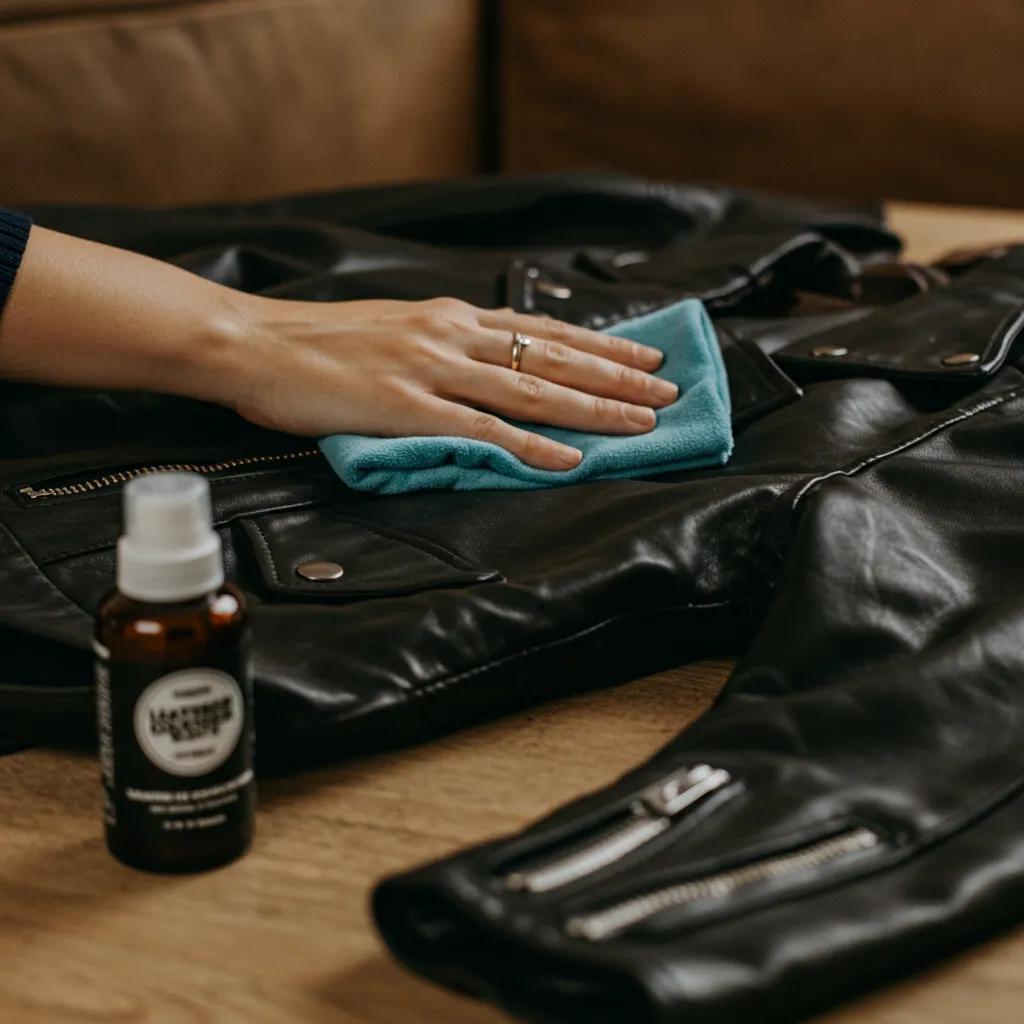
Proper care preserves leather’s structure and appearance by keeping moisture balance, removing contaminants, and protecting finishes from UV and abrasion. A steady routine of gentle cleaning, periodic conditioning with the right products, and protection from water and sunlight will extend service life and prevent irreversible drying or cracking. Clean first to remove dirt and oils that abrade the surface; then condition to restore essential oils. Store items in breathable covers, at moderate humidity, and with supportive packing to avoid deformation, mold, and color migration.
- Dust and wipe regularly: Remove surface dirt with a soft, dry cloth before conditioning.
- Use pH‑neutral cleaners: Treat stains with mild, leather‑specific cleaners, not household detergents.
- Condition periodically: Apply a suitable conditioner to replenish oils and keep the leather supple.
- Protect from sunlight and heat: Avoid prolonged exposure that speeds drying and fading.
- Store correctly: Use breathable covers and maintain moderate humidity to prevent mold or cracking.
Consistent, moderate maintenance keeps small problems from becoming permanent and helps leather meet its original quality expectations.
What Are the Best Practices for Cleaning and Conditioning Leather?
Follow a safe sequence: remove dust, spot‑test any cleaner or conditioner in an inconspicuous area, clean with a pH‑neutral product applied sparingly, wipe away residues, then condition to restore oils. Never soak leather or use solvents and harsh detergents that strip fatliquoring or dyes. Match conditioners to finish type—aniline leathers need lighter oils; heavily pigmented or coated leathers tolerate heavier creams. Frequency depends on use: daily‑worn jackets or bags often need conditioning every 3–6 months; occasional items less.
When unsure, test on a hidden area and consult the manufacturer—proper cleaning preserves tensile strength and colorfastness and prevents premature failure.
How Does Proper Storage Extend the Life of Leather Goods?
Storage affects shape, moisture balance, and risk of mold or fading. Store leather in a cool, dry place with stable humidity (ideally 40–55%) and avoid sealed plastic bags that trap moisture. Use breathable cotton covers or dust bags and supportive forms—padded inserts for bags and wide hangers for jackets—to keep shape and prevent creases. Keep items away from direct sunlight and heat sources that speed drying and color change.
Before seasonal storage, clean and condition items, pack in breathable materials, and check periodically to catch early issues. This routine protects long‑term appearance and value.
Which Leather Products Best Showcase Superior Leather Quality?
Some product types reveal material and construction quality most clearly: jackets, large bags, and wallets show grain, panel cutting, stitching, lining choices, and edge finishing at scale. Jackets demonstrate movement, breathability, and patina; bags expose panel matching, edge work, and hardware integration; wallets reveal internal ply quality and edge burnishing. For wholesale buyers, inspecting these categories is an efficient way to validate a supplier’s hide selection and QC standards.
Pakistan Leather’s examples reflect these principles: hand‑stitched jackets and bags, a range of hides (sheep, goat, cow, buffalo), and custom color matching. These product samples demonstrate how material choices and hand assembly shape final quality—buyers can request sample specs or small runs to evaluate.
The next section lists what to look for in jackets and bags as proof of superior leather and craftsmanship.
What Makes Pakistan Leather’s Jackets and Bags Stand Out?
Pakistan Leather emphasizes hand‑stitched construction, a selection of hides (sheep, goat, cow, buffalo), and custom colour matching—features that support tailored quality across product lines. Hand‑stitching allows precise seam tension and reinforces stress points in ways machine stitching alone can’t, improving repairability and longevity. Selecting specific hide types lets designers match grain and strength to use: light, soft sheepskin for supple garments; heavier cowhide or buffalo for structured bags. These capabilities sit at the heart of the company’s manufacturing and export offering for higher‑end fashion goods.
This manufacturer‑level focus shows how careful material selection and skilled assembly combine to deliver premium results for single purchases and bulk orders alike.
How Can You Choose the Right Leather Product Based on Quality Needs?
Choose leather by matching intended use, desired ageing, and your willingness to maintain it. For heavy daily use, pick full‑grain or strong top‑grain hides with a tanning route that supports tear resistance. For fashion pieces where look and softness matter, chrome‑tanned top‑grain is a solid choice. Consider maintenance: vegetable‑tanned goods develop rich patina but need attentive conditioning; pigmented leathers need less frequent care. Always request representative samples or a small production run to confirm the supplier’s QC and finishing before scaling up.
Follow this decision path—use case → recommended leather type → maintenance expectation—to pick leather products that meet both appearance and performance goals.
Frequently Asked Questions
What are the common misconceptions about leather quality?
Many people assume “genuine leather” means high quality, but that term is often ambiguous and can cover lower‑grade materials. Marketing labels can mislead—“top‑grain” is not always superior to full‑grain. Knowing grading terms and what they imply, plus how to care for different leathers, prevents early wear and disappointment.
How does the tanning process impact the environmental footprint of leather?
Tanning has a major environmental impact. Vegetable tanning can be more sustainable but is slower and labor‑intensive; chrome tanning is faster and cost‑efficient yet requires careful wastewater treatment. Buyers increasingly favour suppliers who use non‑toxic chemicals, proper waste handling, and transparent processes. Understanding tanning helps you make choices that align with environmental values.
What are the signs of poor‑quality leather?
Poor‑quality leather often shows uniform, repeating grain, a plastic‑like feel, and chemical odors. It may have excessive surface correction—heavy sanding or thick coatings hiding defects. Look for inconsistent texture, weak stitching, and lack of breathability—these are signs the leather won’t age well.
How can I ensure the longevity of my leather products?
Set a simple care routine: gentle cleaning, regular conditioning, and correct storage. Use pH‑neutral cleaners, avoid harsh chemicals, condition every few months for frequently used items, and store in breathable covers away from direct heat and sun. These steps preserve both appearance and structural integrity.
What should I look for when purchasing leather goods online?
Online purchases need clear product descriptions that state leather grade and tanning method, plus high‑resolution photos showing grain and stitching. Read reviews for durability insights and check return policies. Transparency in sourcing and manufacturing is a strong quality signal.
Are there specific care products recommended for different types of leather?
Yes. Aniline leather benefits from light, nourishing oils; pigmented or coated leathers tolerate richer creams for stain protection. Always follow the manufacturer’s recommendations and test products on a hidden area first—using the wrong product can damage the leather.
Conclusion
Knowing how to identify and ensure high‑quality leather helps you make smarter purchases and protect your investment. By focusing on grain integrity, tanning choices, and reliable quality control, you can choose pieces that will look better with age and last longer. Explore our resources and product offerings to find leather goods that meet your standards—start your journey toward premium leather and build a collection you can trust.


