
Eco-Friendly Leather Options
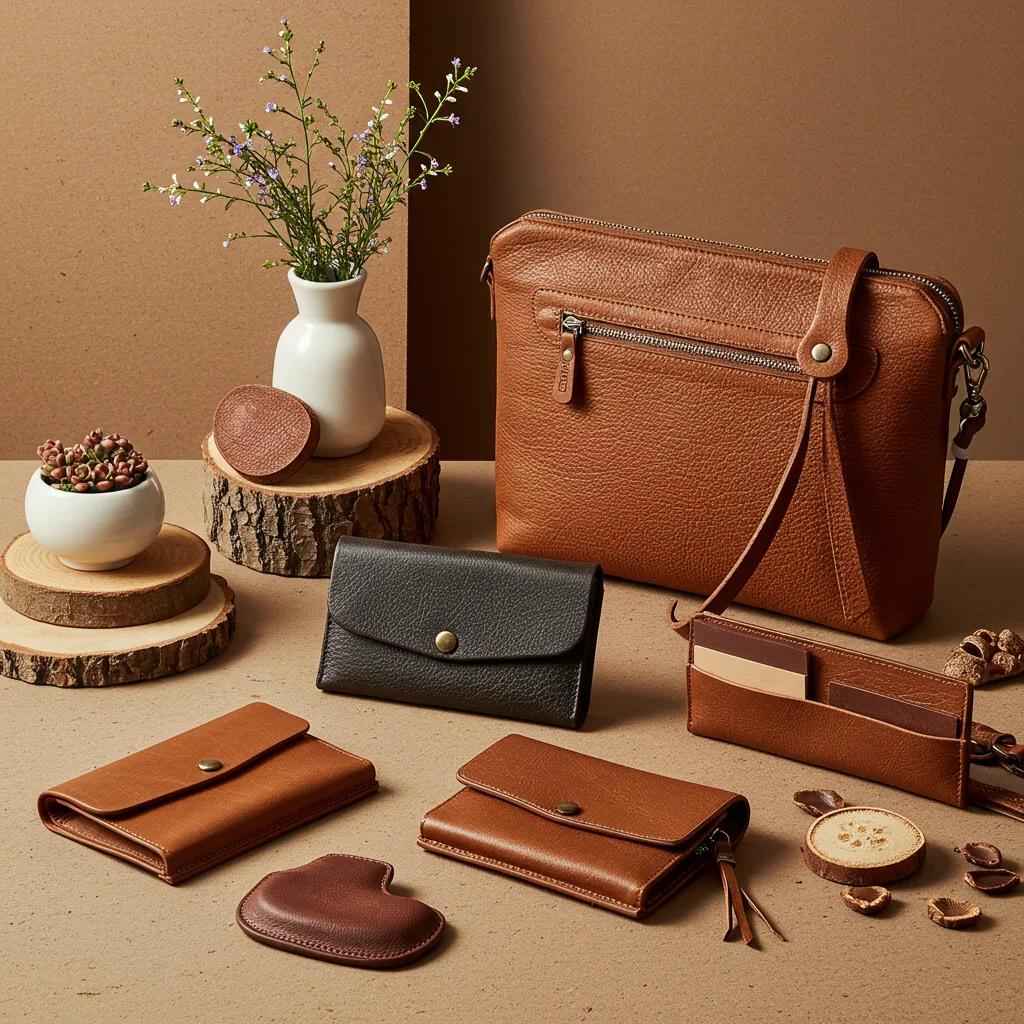
Eco-friendly Leather: Benefits, Sustainable Products, and Natural Tanning Processes
Vegetable‑tanned leather uses plant‑based tannins to stabilize hides, producing durable goods that develop a natural patina and carry a lower toxic load than many conventional approaches. This guide walks you through how vegetable tanning works, why it matters for sustainability and longevity, and how to choose and care for vegetable‑tanned leather. You’ll find a clear step‑by‑step of the tanning process, the main environmental advantages compared with chrome tanning and common vegan leathers, plus practical care routines to extend product life and reduce replacement waste. We also map how a manufacturer can adopt ethical sourcing and bespoke production—covering hide types, hand‑stitched construction, and Pantone color matching—so buyers and wholesale clients can evaluate real supply options. We start with a definition of the vegetable tanning process, then move to benefits and biodegradability, ethical sourcing, product categories, comparisons, and hands‑on care tips for preserving patina and performance.
What Is Vegetable Tanned Leather and How Is It Made?

Vegetable‑tanned leather is finished using natural plant tannins—compounds that bind to collagen fibers—so hides become stable, strong, and able to develop a rich patina over time. Tannins form chemical bonds with collagen, tightening fibers and improving tensile strength while avoiding chromium salts used in chrome tanning. The result is leather that visibly ages, remains repairable, and delivers long‑term value. Laying out the process step by step makes clear why vegetable tanning is considered a natural method and where its environmental trade‑offs sit compared with industrial chrome systems. Below is a concise, ordered workflow that highlights the control points where environmental benefits typically appear.
Vegetable tanning typically follows a series of controlled steps that convert raw hide into finished leather:
- Preparation and Liming: Hides are cleaned and dehaired to reveal the collagen fibers.
- Bating and Pickling: Biological and mild acid treatments adjust pH and remove unwanted proteins.
- Tanning: Hides are placed in vats or drums with plant tannins; penetration happens over days to weeks.
- Drying and Fatliquoring: Natural oils are added to lubricate fibers and restore flexibility.
- Finishing: Surface work, edge finishing, and hand‑stitching complete the product.
This ordered workflow highlights where plant tannins replace chromium and where finishing choices shape product performance and patina development.
Research shows vegetable tanning can provide measurable environmental gains—lower ozone depletion potential, reduced human carcinogenic toxicity risk, and notable water savings.
Environmental Benefits of Vegetable Tanning Processes
The vegetable option shows substantial impact reductions, ranging from 20% in ozone depletion potential to 100% in human carcinogenic toxicity potential. Leather production from the circular‑vegetable perspective would prevent significant environmental impacts, such as carbon dioxide and 1,4‑dichlorobenzene equivalents and saving a considerable amount of water.
Life cycle assessment of leather treatment at various scales: comparison between chrome and vegetable processes, M Oliveira, 2021
What Are the Natural Ingredients Used in Vegetable Tanning?
Common plant tannins come from tree barks, heartwoods, and some leaves and fruits. Typical sources include oak, chestnut, quebracho, and mimosa—each with a different tannin profile that affects color, firmness, and penetration speed. Tannins bind to collagen through hydrogen bonds and hydrophobic interactions, strengthening the hide and setting the stage for patina formation; for example, quebracho yields a robust, slow‑developing tan while mimosa produces a brighter, more flexible finish. Regional availability and sustainable harvesting influence cost and impact, so tanneries often blend tannins to balance performance with supply‑chain responsibility. Choosing the right tannin mix also affects finishing needs and overall environmental outcomes.
Growing consumer demand for eco‑friendly goods has helped revive interest in natural dyes for fashion, including leather applications.
Plant‑Based Natural Dyes in Sustainable Leather Production
Amid green movements and demand for environment‑friendly products and processes, natural dyes are returning to mainstream fashion. Natural colorants are popular for their lower toxicity. The question remains: “Is natural dyeing sustainable?” or “How can it be made sustainable?” This review summarizes literature on natural dyes in leather over the past two decades.
A review of plant‑based natural dyes in leather application with a special focus on color fastness characteristics, S Mandal, 2023
How Does the Vegetable Tanning Process Reduce Environmental Impact?
Vegetable tanning reduces certain environmental hazards mainly by avoiding chromium compounds, which can persist and become toxic if mismanaged. Using plant‑derived tannins means effluents typically contain fewer heavy metals and have lower acute toxicity for downstream ecosystems. Tannin‑based wastes are more biodegradable and, with proper effluent treatment and solid‑waste handling, can be managed or composted more safely than chrome‑laden sludges—reducing long‑term soil and water contamination risks. Energy and water use remain factors: vegetable tanning can take longer and may use more fresh water per batch unless closed‑loop systems are in place. Responsible tanneries invest in effluent treatment and water recycling to optimize lifecycle impacts. These trade‑offs underscore the importance of sourcing decisions and traceability when evaluating ethical and sustainable leather production.
What Are the Key Benefits of Vegetable Tanned Leather?
Vegetable‑tanned leather offers clear benefits for consumers and wholesale buyers: long‑term durability, a natural patina that adds character and resale value, lower exposure to chromium‑related hazards, and better end‑of‑life biodegradability under suitable conditions. The tannin–collagen bond tightens fiber structure and improves repairability, so vegetable‑tanned goods often need fewer replacements over time and produce less cumulative waste. Below is a compact comparison of core attributes across common leather options to clarify practical differences for buyers and product designers.
- Durability: Tannin penetration tightens fibers, improving strength and lifespan.
- Aging/Patina: Natural oils and lighter surface coatings let color evolve attractively with use.
- Toxicity: No chromium reduces occupational and consumer exposure risks.
- Biodegradability: Plant‑tanned hides have greater potential to biodegrade under controlled conditions.
These benefits support longer use cycles and circular‑economy practices, and they connect directly to product choices like repairability and finish selection.
Intro to comparative EAV table and purpose: The table below compares vegetable‑tanned leather, chrome‑tanned leather, and common plastic‑based vegan leathers across key sustainability and product attributes to help buyers weigh trade‑offs.
| Material Option | Key Attribute | Practical Implication |
|---|---|---|
| Vegetable-tanned leather | Durability and patina | High longevity; develops a unique patina that increases aesthetic value |
| Chrome-tanned leather | Processing speed and softness | Faster processing and consistent soft finish but relies on chromium salts with effluent risks |
| PU/PVC vegan leather | Immediate low-animal impact | Often lower biodegradability and potential microplastic issues at end-of-life |
How Does Vegetable Tanned Leather Offer Durability and Longevity?
Vegetable‑tanned leather gains durability through deep tannin penetration that stabilizes collagen fibers, increasing tensile strength and reducing surface fissures and delamination under regular use. This reinforcement makes wallets, belts, and heavy bags especially long‑lived; repairability—resoling, restitching, and edge work—extends service life and supports circular use. In practice, vegetable‑tanned wallets and bags can last decades with occasional repairs, and their aging process often enhances resale value and customer perception. These longevity mechanisms also support the material’s biodegradability and lower‑toxicity profile.
Why Is Vegetable Tanned Leather Considered Biodegradable and Non-Toxic?
Vegetable‑tanned leather is generally more biodegradable because tannins are plant‑derived and the finished hide contains fewer persistent heavy metals. When disposed through composting or managed degradation, organic components break down more readily than chrome‑containing sludges. Everyday non‑toxicity comes from the typical absence of residual chromium compounds, lowering exposure for wearers and workers in well‑run facilities. Caveats remain: finishes, dyes, and some surface sealants can add non‑biodegradable polymers, and actual biodegradation times depend on conditions—so product design and end‑of‑life planning are essential to realize biodegradability benefits. These nuances help buyers choose finishes and designs that align with sustainability goals.
How Does Pakistan Leather Ensure Ethical and Sustainable Leather Sourcing?
Pakistan Leather operates as an e‑commerce hub and a manufacturer/exporter of leather garments and made‑up goods; Pakistan Leather highlights factory production, hand‑stitched details, and vegetable‑tanned leather items such as wallets. Their ethical sourcing focuses on using hides that are byproducts of other industries—sheep, goat, cow, and buffalo hides—reducing waste from meat supply chains and following byproduct‑use principles. Pakistan Leather also offers bespoke manufacturing services like Pantone color development and in‑factory production controls to improve traceability and consistent quality for wholesale and export customers. That supplier transparency helps buyers evaluate environmental and social responsibility metrics when selecting partners.
- Pakistan Leather sources hides from byproduct streams to avoid raising animals solely for leather.
- The company processes sheep, goat, cow, and buffalo hides to match each product’s needs.
- Manufacturing takes place in their factory with hand‑stitched finishing for premium goods.
- Custom color development (Pantone) and export‑ready production ensure consistent results for wholesale clients.
What Are the Sources of Hides Used in Sustainable Leather Production?
Responsible manufacturers commonly use sheep, goat, cow, and buffalo hides, chosen for grain, thickness, and intended use. Sheep and goat suits softer accessories; cow and buffalo work for heavier bags and outerwear. Ethical sourcing prioritizes byproduct hides—those from primary meat industries—rather than animals raised only for leather, which lowers extra land and feed pressures. Traceability, quality sampling, and documented supplier relationships help ensure hides meet environmental and welfare expectations. These sourcing decisions influence tanning and finishing choices that affect overall product sustainability.
How Does Ethical Sourcing Support Environmental and Social Responsibility?
Ethical sourcing advances environmental goals by maximizing use of byproduct materials and reducing incentives for extra animal agriculture, which in turn limits land‑use and greenhouse gas impacts. Social responsibility improves when tanneries and factories adopt safe processing, transparent labor practices, and community engagement that support local economies and preserve artisanal skills. Manufacturing controls—like in‑factory hand‑stitching, documented process flows, and export quality standards—deliver reliable outcomes for wholesale customers while building worker expertise. Together, these measures strengthen sustainable leather claims and help buyers spot responsible suppliers.
Which Eco-Friendly Leather Products Does Pakistan Leather Offer?
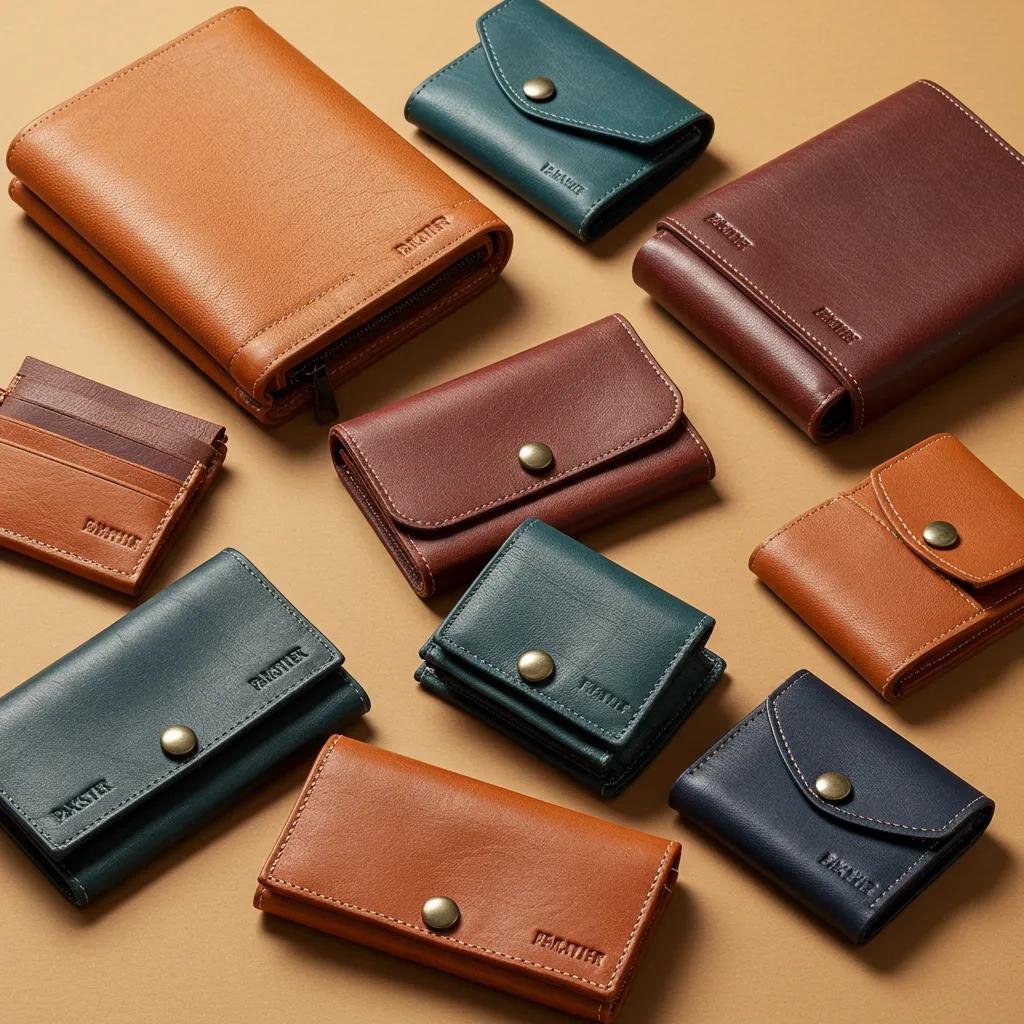
Pakistan Leather makes a range of vegetable‑tanned products for retail and wholesale buyers, focusing on wallets, bags, jackets, and other hand‑stitched accessories made in their factory. The company’s Pakistan Leather products listing highlights vegetable‑tanned wallets and extends to bags and garments crafted from sheep, goat, cow, and buffalo hides depending on structure and use. Craftsmanship emphasizes hand‑stitching where appropriate and the ability to match Pantone colors for bespoke orders—important for designers and bulk buyers who need color consistency. Below is a quick‑reference table showing product categories, typical hide choices, and sustainability attributes to guide buying and specifications.
Intro to product EAV table: This table helps wholesale buyers quickly assess which products align with their sustainability and material requirements.
| Product Category | Typical Hide Material | Sustainable Attribute |
|---|---|---|
| Wallets | Sheep or goat | Vegetable‑tanned, hand‑stitched, repairable |
| Bags | Cow or buffalo | Vegetable‑tanned, durable construction, customizable color |
| Jackets & garments | Cow or goat | Vegetable‑tanned options, factory finishes, tailored sewing |
| Accessories (belts, aprons) | Cow or buffalo | Chrome‑free veg‑tan options available, robust performance |
Summary after table: This product matrix shows how hide choice, vegetable tanning, and hand‑stitching combine to create long‑lived goods suitable for retail and export, and it sets expectations around durability and customization for buyers.
What Makes Vegetable Tanned Leather Wallets and Bags Sustainable Choices?
Vegetable‑tanned wallets and bags are sustainable because they usually require fewer toxic treatments, are built to last, and can be repaired rather than replaced—cutting end‑of‑life waste. Light surface coatings and the natural patina that develops with use reduce the drive for aesthetic replacement, and construction choices—hand‑stitching and solid edge finishing—support multiple repair cycles. Matching hide types to use (sheep/goat for slim goods, cow/buffalo for heavy bags) optimizes material efficiency and avoids over‑specification. These product‑level design decisions pair with company practices like bespoke color matching and export‑ready controls to deliver sustainable, marketable products.
How Are Sustainable Leather Jackets and Garments Crafted for Quality?
Sustainable leather garments rely on careful patterning, cutting to minimize waste, and finishing steps compatible with vegetable tanning to preserve breathability and patina. Skilled sewing and hand‑stitching at stress points extend garment life and encourage repairability. Factory production allows consistent finishing, quality checks, and Pantone color matching across batches—important for designers and wholesale repeat orders. Choosing finishes that avoid heavy polymer seals maintains biodegradability potential while still offering surface protection and measured water resistance. These practices produce garments that look great, last longer, and align with sustainability goals.
How Does Vegetable Tanned Leather Compare to Vegan and Chrome-Tanned Alternatives?
Vegetable‑tanned leather differs from chrome‑tanned leather and many vegan alternatives across environmental impact, longevity, and end‑of‑life outcomes. Its strengths include lower chemical toxicity and superior longevity; trade‑offs can be higher water use during a slower tanning cycle and limits on some finishes. The relationships are simple: vegetable‑tanned leather → plant tannins; chrome‑tanned leather → chromium salts; PU/PVC vegan leather → synthetic polymers. Knowing these links helps buyers assess lifecycle outcomes and choose when vegetable‑tanned leather is the right sustainability option versus newer plant‑based leathers or plastic‑based faux leathers.
The following table summarizes environmental metrics and practical outcomes to make the comparison actionable for product teams and consumers:
| Option | Environmental Impact Metrics | Practical Outcome |
|---|---|---|
| Vegetable-tanned leather | Lower heavy‑metal load; biodegradable potential; variable water/energy use | Long‑lived products; patina development; repairable |
| Chrome-tanned leather | Faster processing; higher chromium in effluent; remediation needs | Uniform softness; potential long‑term contamination risks |
| PU/PVC vegan leather | Petroleum‑derived polymers; microplastic risk; limited biodegradability | Lightweight, low‑cost, animal‑free but with end‑of‑life concerns |
What Are the Environmental Impacts of Chrome-Tanned vs. Vegetable-Tanned Leather?
Chrome tanning typically uses chromium(III) salts that, if mismanaged, can oxidize to more toxic chromium(VI) and cause effluent and soil contamination problems. That chemical profile makes remediation and worker safety more complex. Vegetable tanning avoids chromium and produces waste streams dominated by organic tannins, which are more biodegradable—though they still need treatment to prevent high biochemical oxygen demand (BOD) in waterways. Energy, water, and scalability differ: chrome systems are faster and easier to scale, while vegetable tanning takes longer but can offer a cleaner end‑of‑life profile when finishes are chosen with care. Manufacturers and buyers must weigh processing footprint against product longevity when choosing materials.
Is Vegan Leather Truly Eco-Friendly Compared to Natural Leather?
How eco‑friendly vegan leather is depends on its base materials. Many conventional vegan leathers (PU, PVC) carry the environmental costs of fossil‑fuel polymers and can release microplastics at disposal, undermining sustainability claims. New plant‑based leathers (mushroom, cactus, pineapple) show promise but vary in methods, scalability, and performance; some still require polymer backings that reintroduce plastic issues. Lifecycle analyses often show that long‑lived natural leathers—produced and managed responsibly—can outperform short‑lived faux leathers because longevity reduces replacement frequency and cumulative environmental cost. This perspective helps buyers prioritize durability and end‑of‑life planning in sustainability decisions.
A life‑cycle analysis has examined the environmental impacts of waterproofing treatments versus conventional vegetable tanning processes.
Life Cycle Analysis of Vegetable Tanning vs. Waterproofing
The analysis of waterproofing versus conventional vegetable tanning process – A life cycle analysis study.
Analysis of the environmental impacts of waterproofing versus conventional vegetable tanning process‑A life cycle analysis study, 2021
What Are the Best Practices for Caring for Eco-Friendly Vegetable Tanned Leather?
Care for vegetable‑tanned leather focuses on gentle cleaning, measured conditioning, and simple protections that preserve patina and prevent premature wear—practices that extend lifespan and reduce replacement. Core tips: use soft brushes or cloths for cleaning, condition sparingly with natural oil‑based products to avoid over‑saturation, and keep items away from prolonged moisture and harsh chemicals that strip natural oils. Regular maintenance supports repairability—timely edge finishing and re‑stitching keep products usable for years. The short routine below covers everyday dos and don’ts to help owners get the most from their leather.
- Regular Dusting: Wipe with a soft, dry cloth to remove surface dirt.
- Spot Cleaning: Use a slightly damp cloth and mild soap for stains; avoid soaking.
- Conditioning Sparingly: Apply a small amount of natural leather oil occasionally to maintain suppleness.
- Drying and Storage: Air‑dry away from direct heat and store in breathable covers.
How Can You Maintain and Enhance the Natural Patina of Vegetable Tanned Leather?
To encourage a rich patina, handle leather often so natural skin oils can interact with surface dyes, and choose light conditioning rather than heavy polymer sealants that block ageing. Gentle sunlight and regular use can speed up attractive color changes, but avoid prolonged UV exposure or excessive moisture, which cause uneven fading or mildew. When conditioning, pick oil‑based products made for vegetable‑tanned finishes and apply them sparingly to prevent unwanted darkening or softening. Periodic professional maintenance—edge refinishing and re‑stitching—keeps structure sound and supports elegant ageing. These techniques help owners preserve both look and function over time.
What Are Common FAQs About Vegetable Tanned Leather Durability and Use?
Buyers often ask about stain resistance, waterproofing, and repairability. Vegetable‑tanned leather resists light staining but isn’t inherently waterproof—minimal, compatible waxes or beeswax‑based dressings can add water resistance while still allowing patina to develop. Repairability is a major strength: the fiber structure and common strong stitching make resoling, restitching, and edge repair straightforward for skilled leatherworkers. For everyday care, avoid harsh detergents and prolonged submersion; routine maintenance and prompt minor repairs typically extend service life by years or decades. These practical answers steer purchasers toward maintenance and lifecycle choices that support sustainability.
- Stain Resistance: Light stains can often be removed with careful spot cleaning using mild soap and water.
- Waterproofing: Use minimal, compatible waxes or conditioners for added water resistance without sealing the patina.
- Repairability: Seek professional repairs for structural issues to extend product life.
Frequently Asked Questions
What is the lifespan of vegetable-tanned leather products?
Vegetable‑tanned leather is prized for long life. With proper care, these products often last decades. Deep tannin penetration strengthens collagen fibers and helps items like wallets, belts, and bags resist daily wear. Regular maintenance—conditioning and occasional professional repairs—will further extend lifespan, making vegetable‑tanned goods a sustainable choice for buyers seeking durable, long‑lasting items.
How do I clean and maintain vegetable-tanned leather?
Clean vegetable‑tanned leather gently to preserve its natural qualities. Use a soft, dry cloth to remove dust and a slightly damp cloth with mild soap for spot cleaning. Do not soak the leather. Condition sparingly with natural oils to keep it supple without over‑saturating. Timely edge finishing and re‑stitching help maintain structure and appearance over time.
Can vegetable-tanned leather be waterproofed?
Vegetable‑tanned leather isn’t naturally waterproof, but it can be treated to improve water resistance. Applying a small amount of compatible wax or conditioner creates a protective layer while maintaining breathability and patina development. Avoid prolonged submersion and excessive moisture; regular care and light protective treatments preserve integrity and allow the leather to age beautifully.
What are the environmental benefits of choosing vegetable-tanned leather?
Choosing vegetable‑tanned leather reduces reliance on harmful chemicals like chromium and results in more biodegradable waste streams that are less toxic to ecosystems. When tanneries use closed‑loop systems and proper effluent treatment, vegetable tanning can also save water compared with some chrome processes. Opting for vegetable‑tanned leather supports production methods that reduce pollution and promote circular‑economy principles.
How does vegetable-tanned leather compare to synthetic alternatives?
Vegetable‑tanned leather typically outperforms many synthetic alternatives (PU, PVC) in longevity and lower long‑term environmental cost. Synthetic leathers can introduce microplastic pollution and pose biodegradability challenges. Vegetable‑tanned leather is natural, repairable, and long‑lasting—qualities that often make it a better option over the product’s full life cycle.
What types of products can be made from vegetable-tanned leather?
Vegetable‑tanned leather is versatile. Wallets, bags, jackets, belts, and accessories can all be made from it. The hide choice—sheep, goat, cow, or buffalo—depends on the product’s structural needs. Each item benefits from vegetable tanning’s durability and aesthetic qualities, making these materials suitable for both retail markets and wholesale production.
Is vegetable-tanned leather suitable for vegans?
Vegetable‑tanned leather is made from animal hides and is not suitable for strict vegans. It is, however, considered a more environmentally friendly tanning method compared with chrome tanning because it avoids certain harmful chemicals. For vegan alternatives, consider plant‑based leathers made from mushrooms, pineapple, or cactus, which may better align with vegan principles while offering sustainable options.
Conclusion
Choosing vegetable‑tanned leather supports more sustainable practices while delivering durable, long‑lasting goods that gain character over time. This eco‑friendly option reduces exposure to harmful chemicals and offers better biodegradability potential when products are designed and finished thoughtfully. Investing in high‑quality, vegetable‑tanned pieces promotes repairability and longevity—key principles of a circular economy. Explore our range of premium vegetable‑tanned leather goods and make a sustainable choice that lasts.


