
Design Ideas for Leather Embossing
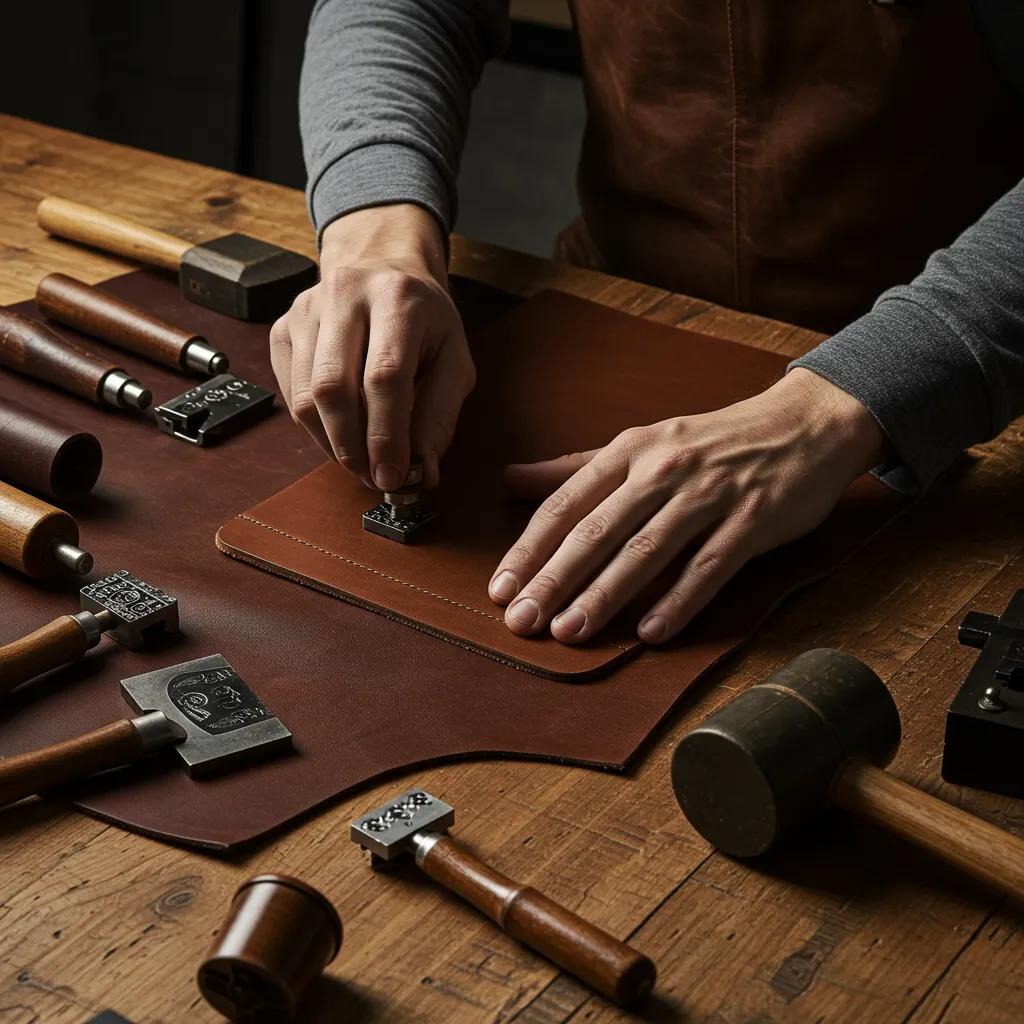
Leather Embossing Ideas: Patterns, Techniques and Custom options for Personalized Leather Goods
Leather embossing is the practical art of creating raised or recessed patterns on leather to add texture, identity and visual depth. It’s one of the most effective ways to make leather goods feel personal and unmistakable. In this guide we show how to choose patterns, compare core methods—blind, foil, heat and wet molding—and pick the right leathers and tools for durable, attractive results. Many designers and buyers hesitate over motif, scale and technique; this guide removes that guesswork with real-world examples and production-aware advice. You’ll find pattern suggestions for wallets, bags, jackets and belts, clear comparison tables for techniques and tools, and simple paths for monograms and logo work. We group designs into geometric, floral and animal textures so you can map design intent to manufacturing reality. After materials and methods, we point to inspiration sources and explain how to request bespoke or wholesale embossed pieces. Read on to move a design idea confidently from sketch to finished product.
Which Leather Embossing Patterns Are Most Popular — and Where Do They Work?
Popular embossing patterns fall into distinct families—geometric, floral, animal print, abstract and traditional motifs—each with its own visual language and ideal product pairings. Geometric repeats like grids and tessellations read cleanly at small scales for wallets or as large panels on jackets. Floral motifs give an artisanal, decorative feel that suits handbags and skirts. Animal-impression textures such as crocodile or snake emulate exotic skins and are often used for statement bags and belts where bold texture signals luxury. Scale and repetition matter: micro-embossing keeps small accessories subtle, while full-panel embossing turns outerwear into a focal piece. Use the quick list below to orient design choices and typical applications.
Popular embossing pattern categories and typical uses:
- Geometric patterns: modern, repeatable textures for wallets and jacket panels.
- Floral motifs: decorative, handcrafted details for handbags and skirts.
- Animal textures: bold, statement surfaces for bags, belts and select apparel.
- Abstract and cultural motifs: storytelling patterns for limited or bespoke collections.
These families guide early sketches and sample decisions; next we look closer at geometric options that work especially well for contemporary lines.
Which Geometric Leather Patterns Work Best for Modern Embossing?
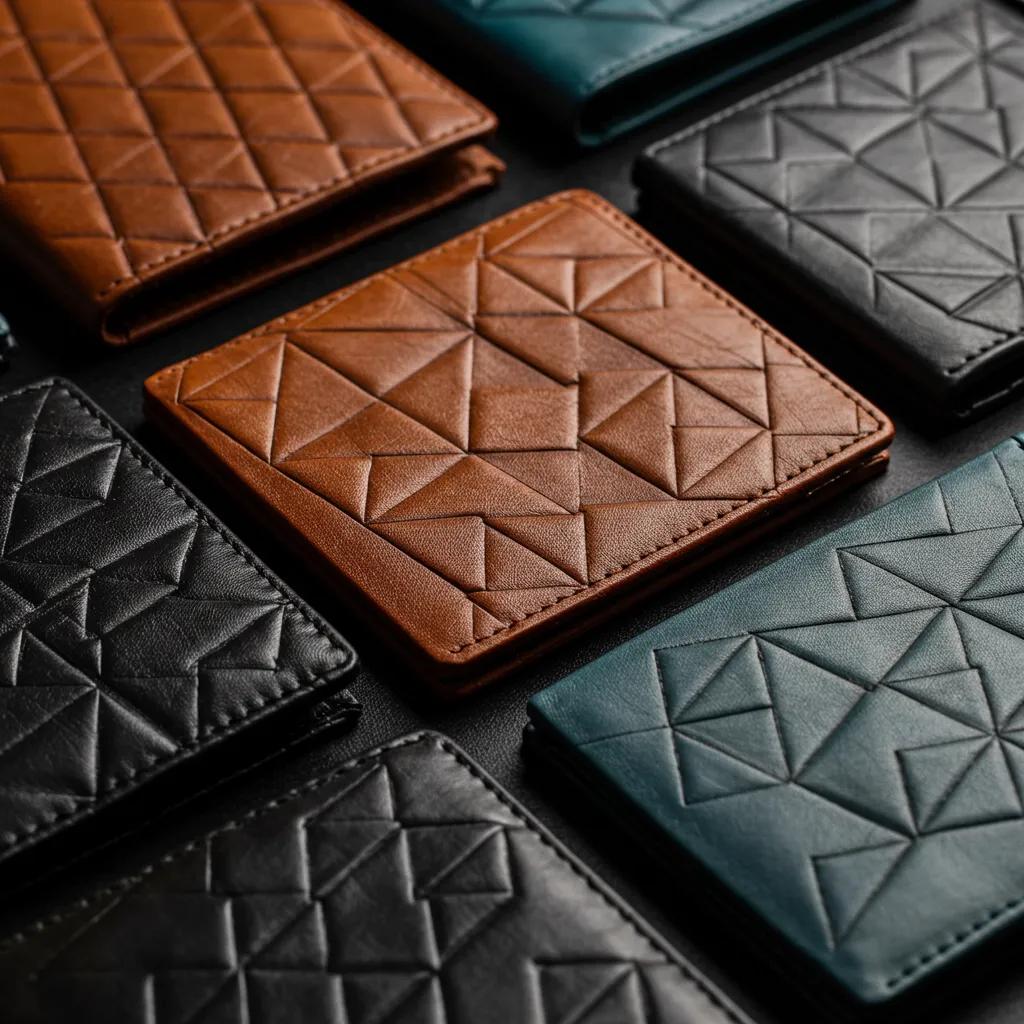
Geometric embossing uses ordered motifs—grids, honeycombs, Celtic knots and tessellations—to create structure and rhythm. It scales from micro-texture on small goods to full-panel statements on outerwear. Grid and honeycomb repeats add subtle tactility and grip on wallets and small accessories; larger tessellations or interlocking knots become decorative focal panels on jackets and bags. Match motif density to product size: dense repeats read as texture on small pieces, while open motifs need more surface to show clearly. For finishes, matte aniline or semi-aniline dyes emphasize embossed shadows; metallic foils can pick out raised lines for a contemporary accent. Aligning motif scale and finish early helps turn a geometric sketch into an accurate embossing spec for production.
How Do Floral and Animal-Print Designs Improve Leather Products?
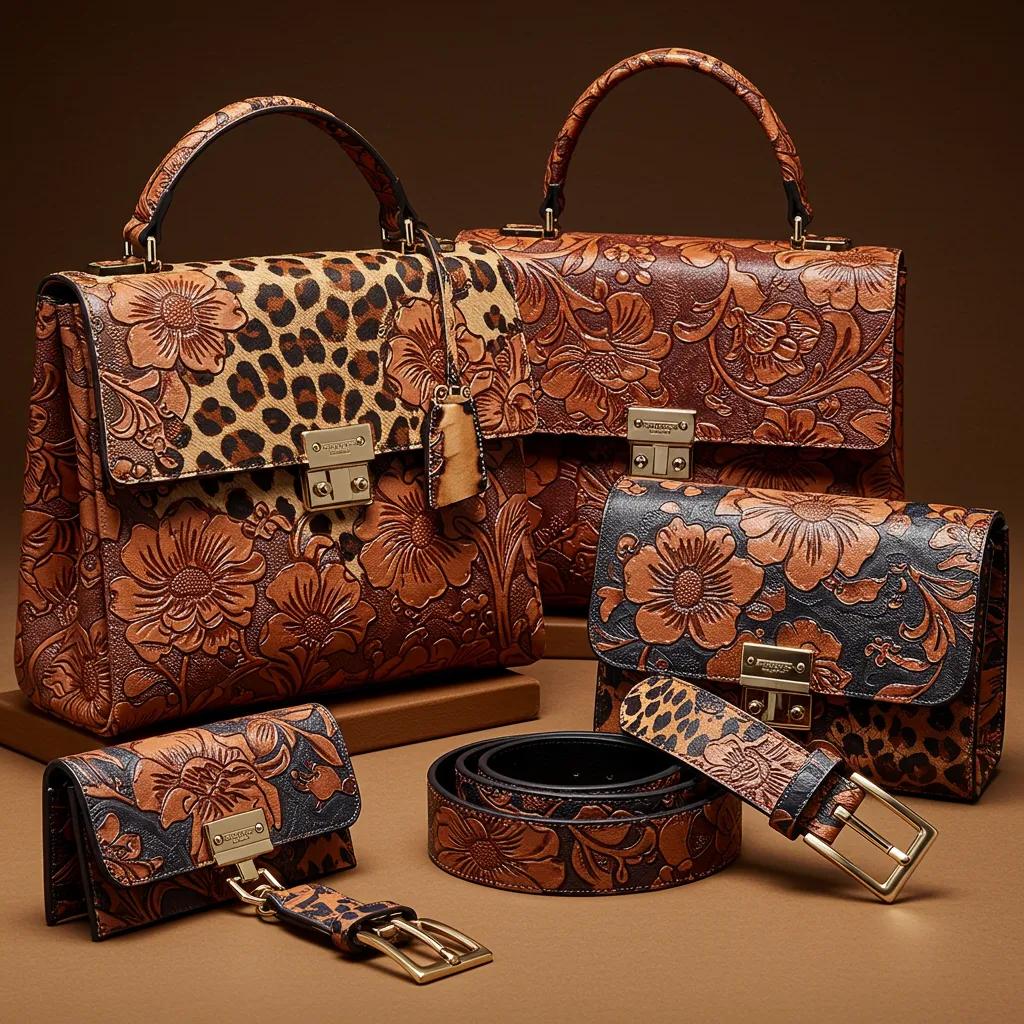
Floral embossing lends a handcrafted, ornamental character that elevates perceived craftsmanship on handbags, skirts and accessories. Animal-print textures mimic exotic skins to add visual drama and luxury. Subtle floral patterns—stylized vines or repeat blossoms—work well on wallets and belt accents and pair nicely with hand-waxed or lightly antiqued finishes that reveal relief. Animal textures require careful leather and finish choices: realistic croc or snake impressions need crisp grain and often corrected or embossed base leathers for clarity and wear resistance. Consider function when choosing between realistic texturing and stylized florals: everyday items benefit from shallower embossing and durable finishes, while showpieces allow deeper impressions and selective foil highlights. These finish choices lead into selecting the right embossing technique, which we cover next.
What Are the Main Leather Embossing Techniques for Custom Work?
The chosen technique defines look, depth and durability. Common methods include blind embossing, foil stamping, heat embossing and wet molding—each follows distinct workflows and produces different outcomes. Blind embossing presses a die into leather without added color for a subtle, elegant impression ideal for monograms and understated branding. Foil stamping applies metallic or colored foils with heat to create high-contrast logos and luxe accents. Heat embossing and wet molding enable deeper impressions and three-dimensional shaping; wet molding, in particular, forms complex 3D shapes for aprons, structured bags and sculpted panels. The table below compares techniques, recommended applications and typical durability so you can choose the right method for your design and use case.
| Technique | Best For (product types) | Visual outcome / durability |
|---|---|---|
| Blind embossing | Wallets, belts, subtle logo placement | Tonal, refined depth; durable on top-grain and vegetable-tanned leather |
| Foil stamping | Luxury bags, gift items, logos | High-contrast metallic finish; foil can show wear if not protected |
| Heat embossing | Jackets, large panels, decorative patches | Deeper, crisp impressions; long-lasting on properly cured leathers |
| Wet molding | Aprons, sculpted bags, 3D panels | Three-dimensional shaping; outcome depends on leather moisture and finish |
This comparison makes trade-offs between aesthetics and durability clear; next we zoom in on blind embossing to explain why it’s so widely used for subtle personalization.
How Does Blind Embossing Produce Subtle, Lasting Impressions?
Blind embossing gives a crisp, tonal impression by pressing a metal die into leather without adding color. The result is refined branding or patterning that sits within the leather’s natural tone. It works especially well on vegetable-tanned and top-grain leathers, which accept fine detail and develop a pleasing patina over time. Common uses include initials, small logos and decorative borders on wallets and journals. Blind embossing holds up well when paired with wax or oil finishes that preserve the impression while allowing the leather to age naturally—making it a favorite for heirloom-quality pieces. Understanding blind embossing helps designers choose between integrated tonal branding and visible metallic accents for a product’s long-term look.
What Are the Advantages of Foil, Heat and Wet Molding Techniques?
Foil stamping boosts brand visibility by applying metallic or colored foils to an embossed area, producing striking logos and decorative details that read at a glance. Heat embossing uses controlled temperature and pressure for sharper edges and deeper relief than blind embossing, making it suitable for large panels and statement outerwear. Wet molding shapes leather while hydrated to lock in three-dimensional forms after drying—ideal for contoured aprons, shaped bag components and decorative reliefs. Consider production costs and lead times: foil dies and custom molds increase tooling expense, while wet molding adds drying and finishing time. Match technique to budget, wear expectations and design intent.
How Can You Customize Leather Goods with Embossing?
Customization ranges from simple initials to full-surface bespoke motifs, giving both individual shoppers and wholesale clients flexible paths to add identity. Monograms and initials are affordable, quick-turn options for single items. Custom logo stamping and custom dies support brand identity for small runs and wholesale where consistency matters. File requirements and lead times vary: monograms usually need placement notes and font choices, while logo embossing for retail SKUs typically requires vector artwork and die discussion. Use the service table below to choose the right personalization route for your needs and scale.
| Service Option | Minimums / Suitability | Lead Time / File Requirements |
|---|---|---|
| Monograms | Individual orders; wallets, belts, bags | Short lead time; provide placement and preferred font |
| Logo embossing (foil or blind) | Small runs and retail SKUs | Vector artwork recommended; die creation adds lead time |
| Custom die production | Wholesale branding across product lines | Higher tooling cost; ideal for repeatable, consistent branding |
These options guide buyers from simple personalization to full die production. Next, we explain how Pakistan Leather supports wholesale and custom embossing requests from a manufacturer’s perspective.
Pakistan Leather is a manufacturer and exporter based in Lahore, Punjab, Pakistan, producing a wide range of leather garments and goods suitable for embossing — including women’s and men’s leather jackets, biker jackets, vests, skirts, dresses, bags, wallets, card holders, aprons, belts and promotional items. We offer customization like bespoke monograms, logos and patterned embossing on hand-stitched products, supporting both direct retail customers and wholesale/export orders. For wholesale runs, we advise preparing clear artwork (vector logos) and discussing die creation and lead times with our sales team to ensure consistent branding across batches. Planning a custom order? Outline desired product types, preferred embossing technique and quantities to start a quotation and sample discussion.
Which Tools and Materials Matter Most for Leather Embossing?
Choosing the right leather and tools determines embossing clarity and longevity. Essential materials include vegetable-tanned and top-grain leathers; tools range from handheld stamps and mallets to hydraulic or heat presses for industrial work. Vegetable-tanned leather takes deep tooling and holds detail well, making it ideal for wet molding and tooling art. Top-grain and full-grain leathers work well for blind embossing and subtle logos thanks to their stable surfaces and attractive ageing. Professional shops use custom dies, hydraulic presses and foil rolls; hobbyists get good results with hand stamps, mallets, casing tools and small heating plates. The table below lists recommended tools and when to use them.
| Tool/Material | Attribute (size/type) | Value/Recommendation (pro-level vs DIY) |
|---|---|---|
| Vegetable-tanned leather | Firm, accepts deep tooling | Pro-level choice for tooling and wet molding |
| Top-grain leather | Smooth, durable surface | Suitable for pro and DIY blind embossing and small goods |
| Custom dies | Metal, laser-engraved | Pro-level for repeatable logos and foil stamping |
| Heat or hydraulic press | Adjustable pressure/temperature | Pro-level for foil and deep embossing; not recommended for DIY without training |
| Hand stamps & mallet | Portable, varied motifs | DIY-friendly for samples and small runs |
Matching materials and tools to the chosen technique reduces rework and raises final quality. Next we outline the leather types that best suit different embossing approaches.
Which Leather Types Work Best for Embossing?
Vegetable-tanned leather is ideal for tooling, deep impressions and wet molding because its tannins and firm structure capture crisp detail and patina attractively. Top-grain leather offers a smoother surface for subtle blind embossing and foil accents. Full-grain leather keeps its natural texture and is durable for high-wear items; it can take light embossing while preserving character. Corrected-grain or coated leathers can accept animal-impression embossing with consistent repeat but may lack the depth and aging character of natural-grain leathers. Exotic leathers behave differently—always test samples, since grain structure and finish affect emboss clarity and dye response.
What Tools Do You Need for Professional and DIY Embossing?
Professional embossing setups use custom dies, hydraulic or heated presses, foil rolls and finishing presses to ensure consistent impressions over runs. DIY projects can achieve satisfying results with hand stamps, mallets, casing tools and small electric heat plates. Hand-stamping depends on correct moisture and pressure—casing the leather to the right dampness improves transfer—while presses standardize pressure and temperature for repeatability and speed. Safety and upkeep matter: keep dies clean, calibrate presses, and wear heat-resistant gloves when handling hot equipment. If you’re scaling from hobby to small-batch production, investing in a small mechanical press and commissioning a die for your logo usually pays off in consistency and lower labor costs.
How Do Patterns and Techniques Affect Quality and Style?
Embossing choices shape perceived value, functional durability and brand expression. Matching technique, depth and finish to product function creates a coherent quality signal and user experience. Deep impressions and wet molding produce sculptural, tactile pieces that attract attention but can be more vulnerable at edges without robust finishes; shallow blind embossing offers long-term subtlety and resilience for everyday items like wallets. Foil stamping raises luxury cues and visibility, though foils can abrade on high-contact items unless protected. The table below summarizes how style choices relate to durability and aesthetic positioning to help place products in luxury, mid-market or everyday segments.
| Style/Technique | Durability Impact | Aesthetic Positioning |
|---|---|---|
| Shallow blind emboss | High durability for daily use | Subtle, premium and understated |
| Deep emboss / wet molding | Medium durability; needs strong finishes | Statement, sculptural and artisanal |
| Foil stamping | Surface-level wear risk | High-luxury, gifting and brand-forward items |
| Textured animal emboss | Varies with base leather and finish | Luxury, bold fashion accents |
Knowing these trade-offs helps you pick embossing treatments that match a product’s intended lifespan and market position. Next we cover branding specifics: placement, scale and expected ROI.
Why Does Embossing Matter for Branding and Personalization?
Embossing reinforces brand identity by embedding logos and monograms directly into the material, creating a tactile cue that speaks to craftsmanship and longevity. A well-placed, proportionally sized embossed logo raises perceived value without overpowering the design—for example, subtle debossed initials on a wallet flap signal personalization and premium finish. Embossed motifs also tell a story: traditional or cultural patterns can communicate origin and artisan technique across a collection. For brands, using a consistent embossing approach across SKUs builds recognition and helps customers associate texture and placement with quality, supporting price and loyalty.
How Do Different Embossing Styles Affect Durability and Appearance?
Shallow impressions resist surface abrasion and keep legibility on frequently handled items, while deeper reliefs create dramatic light-and-shadow but need stronger finishes to avoid edge wear. Foil accents give immediate contrast and work well for gifting or seasonal collections, but may require occasional care or protective coatings on high-contact surfaces. Simulated exotic textures demand compatible base leathers and finishes to maintain both look and structure over time. Choosing the correct finish—wax, oil or polymer topcoat—directly influences how an embossed pattern will age and what maintenance schedule is required for its intended use.
Where to Find Inspiration and Examples for Embossing Designs?
Inspiration comes from pattern libraries, industry galleries, craft archives and fashion trend sources that show scale, finish and technique pairings. Combining visual references with production notes helps ensure designs are producible. Curated galleries and case studies demonstrate how patterns read on real products, offering close-ups of emboss detail, contextual shots for scale, and notes on finishing techniques—these reduce ambiguity when moving from sketch to production. For practical ideation, explore pattern libraries for repeat motifs, study artisan floral tooling for hand-stitched nuance, and review brand-logo placements to learn proportion. Below are useful sources and what to look for in each.
- Pattern libraries: repeat motifs and file-ready templates for surface designs.
- Industry galleries: production photos that show scale, finish and real-world behavior.
- Craft archives and reference books: historical motifs and tooling traditions for unique storytelling.
Galleries and case studies help you filter design choices by showing wear, finish behavior and production notes. Next we highlight trends to spark fresh directions for 2025.
What Embossing Designs Are Trending for 2025?
In 2025 we see a move toward subtle personalization, mixed-technique treatments and sustainable material storytelling. Designers increasingly combine blind embossing with selective foil accents or overlay textures to create layered, wearable effects. Minimal geometric micro-embossing remains popular for modern accessories, while vintage floral tooling returns for artisanal handbags and limited editions. Mixed techniques—such as wet molding with selective foil highlights—deliver sculptural form alongside luxury accents, appealing to buyers who want distinct but wearable pieces. Always test trends on samples to confirm scale and finish translate well to the chosen leather, and consider sustainability when selecting leathers and dyes.
How Do Galleries and Case Studies Help You Choose the Right Pattern?
Galleries and case studies show real products under realistic lighting, revealing how emboss depth, finish and scale interact. Close-ups show edge crispness; context shots show how a pattern reads from a distance. When reviewing imagery, look for product-type context, wear examples and production notes about the technique used—these details indicate whether a design will hold up in daily use or needs extra finishing. For wholesale clients, request production samples or short pre-production runs to test impression durability and finish behavior. Case studies that document manufacturing steps and outcomes reduce risk when scaling a design, ensuring your intent aligns with manufacturing realities.
Pakistan Leather maintains our product galleries with example imagery of embossed jackets, bags, wallets, belts and promotional items that buyers can use as references when planning custom or wholesale embossing projects. These images clarify placements and finishes and can be used to request similar patterns or discuss adaptations for specific lines. Always ask for close-up shots and sample swatches to confirm emboss clarity and finish outcomes before approving production; that ensures final pieces match the intended aesthetic and durability.
For bespoke inquiries or wholesale estimates, Pakistan Leather welcomes quote requests and customization discussions. Please outline desired product types, embossing style (blind, foil, wet molding) and estimated quantities to get started. Our direct manufacturer relationship supports tailored solutions for single bespoke items or larger export and wholesale orders made in Lahore, Punjab, Pakistan. Preparing artwork and sample expectations in advance speeds die creation and production planning.
Frequently Asked Questions
What is the difference between blind embossing and foil stamping?
Blind embossing presses a die into leather without adding color, creating a subtle, tonal impression that reads as refined and understated—ideal for monograms and everyday items. Foil stamping applies a metallic or colored foil to the embossed area, producing a high-contrast, attention-grabbing finish suited to premium products and gift items. Choose blind embossing for longevity and subtlety, foil for visibility and luxury impact.
Can I use any type of leather for embossing?
Not all leathers respond the same. Vegetable-tanned leather is preferred for deep tooling and wet molding because it holds crisp detail. Top-grain leather is a reliable choice for subtle blind embossing and foil accents. Full-grain leather keeps natural texture and wears well for daily items. Corrected-grain or coated leathers accept embossing but tend to lack the depth and aging character of natural-grain leathers. Always match leather type to the intended technique and product use—and test samples when in doubt.
How do I choose the right embossing pattern for my product?
Consider product type, audience and desired style. Geometric patterns suit modern accessories; floral motifs fit artisanal bags and garments; animal textures work for bold statement pieces. Scale matters: small items call for micro-embossing, larger items can carry bolder repeats. Review galleries and case studies to see how patterns read on real products, and request samples before full production.
What are the common mistakes to avoid in leather embossing?
Common mistakes include choosing the wrong leather for the technique, incorrect moisture during embossing, and impressions that are too deep or too shallow for the product. Designs that are out of proportion to the product size also fail to read correctly. Prototyping and testing reduce these risks and help you find the right balance of depth, finish and placement.
How can I maintain embossed leather products?
Clean embossed leather with a soft, damp cloth and avoid harsh chemicals. Condition regularly with a product suited to the leather type to preserve suppleness and prevent cracking. Keep protective coatings intact on embossed areas to limit wear. Store items in a cool, dry place away from direct sunlight to prevent fading and drying out.
What customization options are available for leather embossing?
Options range from initials and monograms to complex logos and full-surface bespoke designs. Individuals can request single-item personalization, while businesses can commission custom dies for consistent branding across larger orders. Discuss design specs, file requirements and lead times with the manufacturer to choose the best path for your order size and detail level.
Where can I find inspiration for my leather embossing designs?
Look to pattern libraries for repeat motifs and file-ready templates, industry galleries for production photos that show scale and finish, and craft archives for historical motifs and tooling traditions. Trend reports and case studies help you understand current styles and how designs behave in real-world use. Combine visual references with technical notes to ensure your designs are creative and producible.
Conclusion
Embossing is a practical, impactful way to personalize leather goods—boosting aesthetic appeal and perceived value through carefully chosen patterns and techniques. By understanding methods, materials and finishing, designers can create durable, high-quality pieces that reflect individuality and craftsmanship. Whether you want a simple monogram or a complex logo, the right approach elevates your leather goods. Contact us to explore customization options and bring your embossing ideas to life.


