
Cultural Significance of Leather
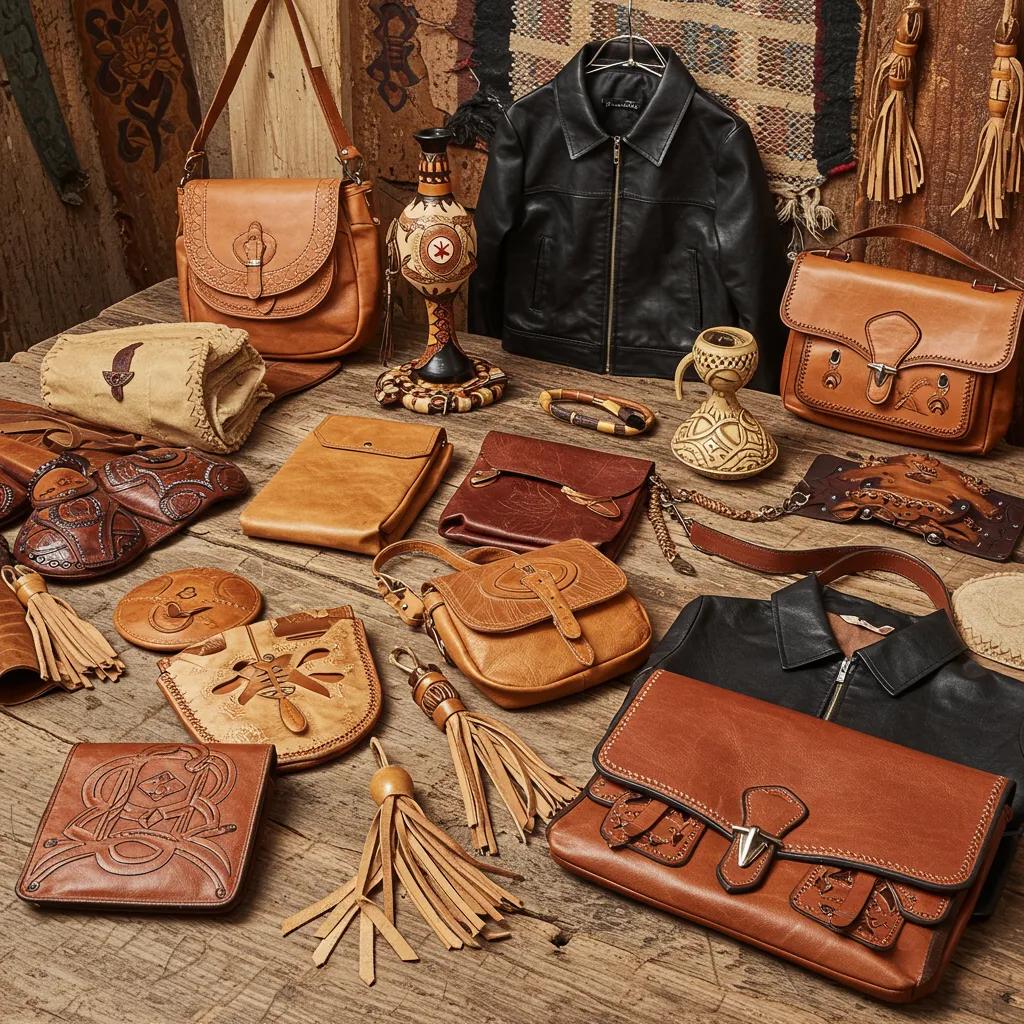
Leather’s Cultural Story: History, Traditions, Symbolism and Art
Leather has been both tool and symbol across human history—protecting the body, signalling status, and carrying craft traditions. This article walks through leather’s cultural meanings, from early tanning methods to modern design and art. You’ll learn how choices in material, tooling and dyeing encode identity and ritual, and how those techniques feed today’s fashion and manufacturing. We connect practical methods—tanning, tooling, hand-stitching, Pantone color matching—with social uses like regalia, trade and storytelling so collectors, designers and buyers can judge provenance and craft quality. Along the way we highlight global traditions and specific practices in Pakistan, and note contemporary makers such as Pakistan Leather (operating under Atlanta Enterprises), who blend artisan skills with custom production. First, we define leather’s core cultural roles and offer concrete examples that make those roles visible.
What is leather’s cultural importance worldwide?
When we talk about leather’s cultural significance, we mean the social, symbolic and practical meanings attached to animal hides—meanings shaped by durability, touch and the craft needed to turn raw hide into finished goods. Leather’s symbolic power comes from its utility (protection, warmth) combined with labor-intensive techniques—tanning, tooling, carving—that mark items as status, lineage or ritual objects. Across continents, leather appears in clothing, harnesses, ritual items and decorative arts; reading these objects helps us interpret both museum pieces and contemporary fashion. Below are the main cultural roles leather plays around the globe.
- Heritage and continuity: Leather pieces often hold ancestral motifs and techniques that pass cultural knowledge from one generation to the next.
- Protection and utility: Properly tanned hides serve as armor, footwear, saddlery and durable workwear.
- Status and identity: Decorative tooling, rare hides and custom colors can signal rank, trade or group affiliation.
- Artistic expression: Carving, painting and stitched ornament turn leather into a canvas for stories and symbols.
These roles explain why leather serves as both everyday material and curated artifact, and they set the stage for a look at the historical techniques that keep those meanings alive.
How does leather communicate heritage, status and identity?
Leather carries heritage and status because its production locks in specific skills, motifs and materials communities associate with identity. Ceremonial pieces—cloaks, belts or saddle flaps—often display tooling patterns and dyes handed down inside families or guilds, so an object becomes a bearer of communal memory. Rarity of hide or fine hand-stitching can elevate an item into a status marker; modern motorbike leathers and tailored coats echo older prestige garments in a contemporary register. The material’s tactile qualities—grain, patina, repaired marks—also keep personal histories visible: worn leather can read like a biography. Learning to spot these features helps buyers and conservators assess provenance and authenticity.
Why do traditional and modern societies value leather?
Leather is valued for its durability, adaptability and sensory appeal, layered with symbolic meanings formed by craft and use. Practically, leather resists wear, insulates and can be shaped into protective forms. Aesthetically, it accepts carving, dyeing and polishing and develops a patina that many find desirable. In modern luxury, designers highlight hand-stitching, bespoke fits and custom colors to reference artisan heritage. The result is a material that links practical needs and design ambitions—central to everything from rugged goods to high fashion. Recognizing these factors explains why communities and industries continue to invest in tanning, tooling and skill transmission.
Leather’s Role in Fashion: History, Artistry, and Symbolism
The co-author and I are pleased to explore leather’s close relationship with clothing and fashion. Tracing how clothing functions helps explain leather’s recurring appeal: it is a material of adornment, protection and identity across eras. Fashion treats leather both as timeless wardrobe anchor—think iconic bags and jackets—and as a vehicle for storytelling. Whether in luxury houses or accessible labels, leather pieces carry codes and references designers use to create desire. Understanding these creative systems clarifies leather’s place in the fashion economy and its power as a tool for narrative and innovation.
Leather and The World of Fashion, 2024
Leather’s lasting presence in fashion reflects its ability to convey status and artistry, linking historical craft with present-day trends.
What is the history of leather craftsmanship and how has it evolved?
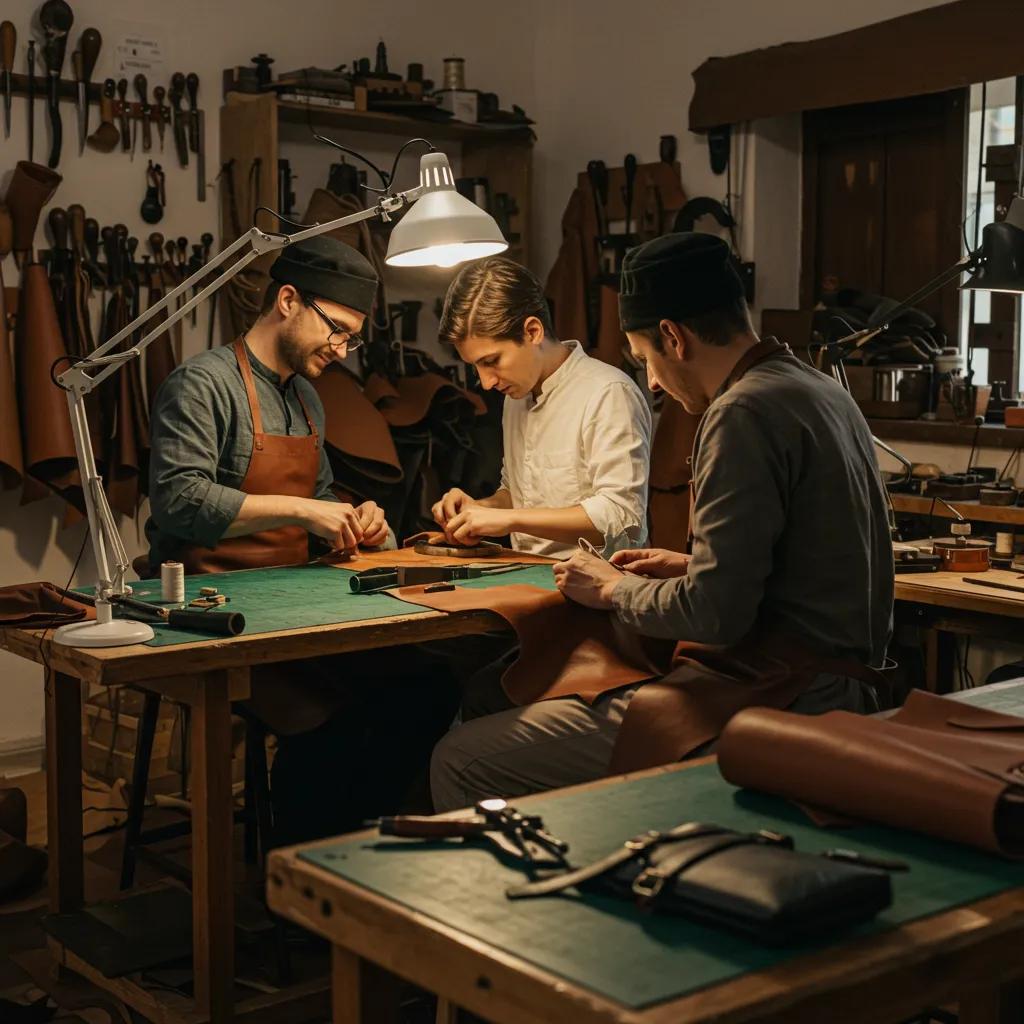
Leather craftsmanship follows a clear arc: simple hide preparation in prehistory, refined tanning techniques in antiquity, guild-regulated production in the medieval period, industrial mechanization, and today’s artisanal revival that reclaims hand skills for design and heritage. Technological shifts—new tannins, tools and production scales—changed both the look of leather and the social structures around it. Each stage preserved or reshaped certain aesthetic and functional possibilities. This history explains why some stitches, finishes and motifs still carry cultural weight and prepares us for technical comparisons between past and present methods.
- Ancient innovations: Early peoples used brain, smoke and plant treatments to soften and preserve hides for clothing and shelter.
- Medieval codification: Guilds set standards, specialized tools and decorative techniques that defined regional styles.
- Industrial shift: Mechanization and chemical tanning scaled production and standardized hides, changing artisanal labour.
- Artisanal revival: Contemporary makers reintroduce hand-stitching, vegetable tanning and bespoke tooling to reclaim craft value.
These milestones show how technological and social change shaped today’s mix of mass-produced and handcrafted leatherwork, and they lead into examples of ancient methods and their modern counterparts.
How did ancient civilizations shape leather techniques?
Ancient cultures developed core leather processes—smoke drying, brain tanning and vegetable tanning—that solved the basic problem of preserving perishable hide while keeping it flexible and strong. Makers in Mesopotamia, Egypt and South Asia used plant tannins and fat emulsions to produce footwear, containers and armor, and local decorative methods like stamping and inlay reflected regional motifs. These techniques left physical traces—stitch patterns, motif repertoires and ritual uses—visible in archaeological and ethnographic records. Contemporary artisans often reference those methods when aiming for historical finishes, underlining the continuity between past and present practice.
What role did medieval guilds and artisanal traditions play?
Guilds in the medieval era formalised skills through apprenticeships, quality controls and shared decorative vocabularies, producing distinctive regional leatherwork—saddlery, bookbinding and embellished garments. They preserved tooling, embossing and hand-dyeing methods and became custodians of stylistic languages tied to trade specializations. Many of these practices survived in village workshops and later inspired revival studios that emphasize hand-stitching and bespoke finishes. Understanding guild organisation helps explain why modern handcrafted leather still carries both technical specificity and cultural authority. The table below compares historic and modern approaches.
| Tanning / Production Method | Characteristic | Cultural Role |
|---|---|---|
| Brain or smoke tanning (ancient) | Uses animal-based agents and smoke to preserve hides; minimal chemical input | Embedded in ritual and domestic life; produces flexible, breathable leather |
| Vegetable tanning (traditional/medieval) | Plant tannins yield durable, firm leather suited for saddlery and footwear | Supported guild crafts and long-lasting utilitarian goods; accepts tooling and dyeing |
| Industrial chrome tanning (modern) | Fast chemical process producing uniform hides at scale | Enabled mass markets and standardised fashion; reduced artisanal variation |
| Artisanal hand-finishing (revival) | Hand-stitching, tooling, Pantone-matched color development | Links heritage motifs to bespoke goods and high-end fashion |
This comparison highlights trade-offs between scale, uniformity and cultural specificity, and it leads into how regions express leather traditions today.
How are leather traditions expressed across cultures?
Leather traditions reflect local techniques, symbolic uses and material choices shaped by environment and social life. Local fauna, available tanning agents and cultural narratives determine whether a society focuses on harnesses, ceremonial garments or puppets. Surveying these differences shows how leather carries distinct cultural meanings and how trade and exchange have hybridised methods over time. The next sections look at indigenous and tribal practices and compare Asian and European approaches to illustrate this variety.
What are distinctive leather practices among indigenous and tribal cultures?
Indigenous and tribal leatherwork often centers on ceremony, storytelling and multifunctional use. Techniques such as rawhide stretching, sinew lacing and smoke tanning combine with beadwork, quillwork or painted motifs to encode origin stories and spiritual meanings. Objects like drum skins, masks and regalia act as portable memory banks activated in rituals that renew social bonds. Preservation projects and artisan-led documentation efforts are increasingly important to keep these skills and the stories they carry alive for future generations.
Tatar Leather Mosaic: Art, Design, and Tradition
Research on Tatar footwear and leather mosaic shows a strong continuity in decorative practice. Recurrent motifs, consistent composition and stable colour choices point to a long-standing folk tradition where craftsmen adopted only those innovations that fit into an established visual language. Over centuries, leather mosaic evolved while preserving its distinctive methods and stylistic unity—an example of how folk techniques refine rather than abandon core practices.
From Ancient Traditions to Modern Design: Interpretation of Some Ornaments on Leathercraft Items, 2023
Tatar leather mosaic illustrates how local traditions preserve stylistic continuity and historical meaning in decorative leatherwork.
How do Asian and European leather traditions reflect cultural values?
Asian leatherwork often emphasises fine finishing, subtle dyeing and ceremonial uses—examples include lacquered or colour-matched accessories and courtly garments. European traditions historically focused on protection and utility—saddlery, armour and guild-bound decorative arts—developing strong tooling vocabularies for equestrian gear and bookbinding. Trade and colonial encounters generated hybrid styles, so contemporary makers frequently blend techniques from both heritages to produce items that work across fashion and function. Understanding these parallels helps designers and buyers select approaches that respect cultural provenance.
What are the traditional leather art forms and their meanings?
Carving, tooling, dyeing, painting, figurine-making and puppetry turn leather into a durable medium for stories and symbolism. Technique acts like language: stamp sets, motifs and dye palettes convey myths, lineage or social role. The benefit is a tactile, visual medium that can be worn, displayed or performed. Below we describe core techniques and how motifs function as narrative devices, then review performance arts that use leather as storytelling material.
- Carving and tooling: create relief patterns and pictorial scenes that narrate lineage or myth.
- Dyeing and painting: apply region-specific colour vocabularies linked to ritual seasons or identity.
- Figurines and puppetry: make leather into animated storytelling tools used in ceremonies and theatre.
These categories show how leather serves surface and performative roles; the next sections examine methods and performance traditions in more detail.
How are carving, tooling and dyeing used as cultural expression?
Carving and tooling are done on wet, vegetable-tanned leather to form bas-relief patterns; dyeing uses natural pigments or modern colour matching to reach regionally meaningful palettes. Artisans prepare the tanned hide, transfer a design and use bevelers, pear shaders and stamps to sculpt motifs. Dyes—historically plant-based—are layered and sealed to increase depth. Motifs vary—geometric, floral or figurative—and each family carries cultural meaning: heraldry, clan marks or cosmological signs. Today’s makers often combine traditional tooling with Pantone-led color development to translate heritage patterns into contemporary accessories that still register as culturally resonant.
What role do leather figurines, puppetry and painted panels play in heritage?
Leather figurines, puppetry and painted panels are mobile narrative tools central to ritual performance and oral history in many cultures. Making them requires pattern cutting, precise stitching, jointed construction and surface painting, so each piece embodies both technical skill and narrative knowledge. Puppetry traditions rely on leather’s flexibility and durability to bring characters to life in festivals and educational contexts. Preserving these forms protects intangible heritage by keeping both the performances and the underlying craft alive; modern cultural projects often document techniques and stories to ensure intergenerational transmission.
What is the cultural significance of leather in Pakistan?
In Pakistan, leather plays a strong cultural and economic role. Local hide availability, artisanal skills (hand-stitching, tooling) and provincial motifs shape product categories and designs. Regional centres specialise in items that reflect local stitches, dye palettes and functional needs, building a manufacturing base that can turn artisan techniques into export-quality goods. This mix of tradition and production capacity gives Pakistan a distinctive place in both domestic markets and international trade.
How do Pakistani leather crafts show regional identity?
Pakistani leather crafts express regional identity through stitch types, stamped patterns and hide choices that align with local culture and climate. Certain stitch patterns and motifs echo textile traditions and can signal provincial origin. Softer sheep and goat leathers are common for garments and bags in cooler areas, while cow and buffalo hides suit heavy-duty workwear. Artisans often add embroidery, metalwork or painted motifs that reflect folk narratives, making each piece a layered cultural object. Recognising these markers helps designers and buyers choose products that authentically represent a region’s aesthetic and practical needs.
How does Pakistan Leather preserve and innovate traditional craft?
Pakistan Leather (operating under Atlanta Enterprises) preserves traditional craft by combining hand-stitched techniques and artisanal tooling with modern manufacturing and export capability. The company produces high-end leather garments and goods—jackets, bags, coats and motorbike jackets—while keeping hand-finishes that reflect heritage aesthetics. Pakistan Leather also offers customization through Pantone color matching and a choice of hides (sheep, goat, cow, buffalo), helping artisans’ motifs translate into market-ready collections. For wholesale and export buyers seeking pieces that balance tradition with reliable production standards, Pakistan Leather provides a direct route from craft to commerce; interested buyers can request samples or production details from the company.
The table below maps product categories to traditional influences and regional manufacturing details useful for buyers and designers.
| Product Type | Traditional Influence | Regional / Manufacturing Detail |
|---|---|---|
| Leather Jackets | Hand-stitching, tailored cuts | Sheep or goat hide for a supple hand; tooling or stitched motifs echo local patterns |
| Leather Bags & Wallets | Tooling, edge finishing | Vegetable-tanned panels take carving and Pantone-dyed accents for bespoke colorways |
| Motorbike Jackets | Reinforced seams, protective design | Heavy cow or buffalo hide options and hand-stitched reinforcements for durability |
| Belts & Aprons | Decorative stamping, utilitarian form | Thick vegetable-tanned leather suited to tooling and long-lasting wear |
How are sustainable and ethical practices shaping leather’s cultural legacy?
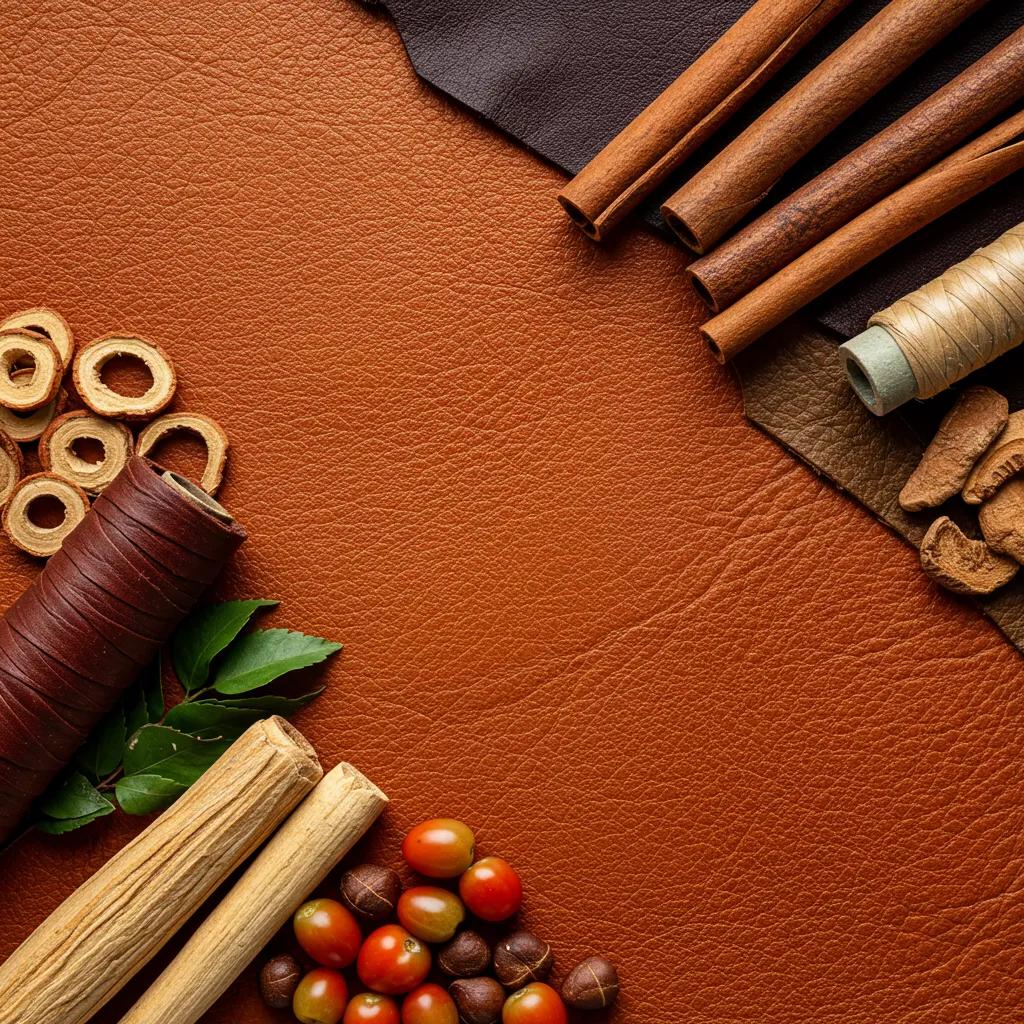
Sustainable and ethical practices—vegetable tanning, transparent sourcing, recycling and traceability—are reshaping leather’s cultural legacy by aligning craft preservation with environmental and social responsibility. Using plant-based tanning and clearer sourcing reduces chemical impact and supports artisan livelihoods in ways that keep traditions viable. The result is a more resilient cultural economy where heritage and sustainability reinforce one another. Below we outline how specific practices affect both material quality and cultural continuity.
Vegetable tanning and related practices offer clear environmental and cultural advantages:
- Reduced chemical pollution: Plant tannins lower hazardous effluent compared to chrome processes.
- Heritage-friendly finishes: Vegetable-tanned leather develops patina and holds tooling, preserving decorative traditions.
- Economic resilience for artisans: Traceable supply chains and upcycling projects create new income streams and protect skills.
These points lead into a focused definition of vegetable tanning and a comparison of sustainable practices that show their environmental and cultural impacts.
What is vegetable tanning and why does it matter culturally?
Vegetable tanning uses plant-derived tannins—bark, leaves and fruit extracts—to stabilise collagen in hides, producing firm, long-lasting leather that responds well to tooling and patination. It’s historically important across many craft cultures because it holds impressions and ages in a readable way, making it ideal for heritage leather arts. Environmentally, vegetable tanning cuts reliance on heavy metals and harsh chemicals, lowering wastewater toxicity and enabling safer small-batch production for artisan workshops. Because the leather ages characteristically, vegetable tanning also aids conservation and keeps cultural motifs legible on functional and ceremonial objects.
How do ethical sourcing and recycling support leather’s future?
Ethical sourcing, traceability and recycling/upcycling extend leather’s lifecycle and strengthen craft communities. Traceability lets buyers choose hides from regulated, humane sources; recycling remakes offcuts into bags or patchwork panels, reducing waste and creating artisan income. These practices help small workshops access higher-value markets while aligning cultural preservation with environmental stewardship. Manufacturers offering multiple hide options (sheep, goat, cow, buffalo) and vegetable tanning can position themselves as partners in preserving craft skills and ecological balance. Buyers interested in sample specifications or custom sustainable runs should contact specialised producers who list material and finishing options.
This comparison shows how certain methods reduce environmental harm and support long-term cultural continuity in leatherwork.
| Sustainable Practice | Method | Environmental / Cultural Benefit |
|---|---|---|
| Vegetable tanning | Uses plant tannins instead of mineral chrome | Reduces toxic effluent; preserves tooling-friendly surfaces |
| Ethical sourcing | Traceability and regulated procurement | Supports humane supply chains and artisan livelihoods |
| Recycling / Upcycling | Reuses offcuts and restores vintage pieces | Cuts waste while generating artisan income |
| Material choice diversification | Using sheep, goat, cow and buffalo hides | Matches regional needs and conserves local practices |
Backing these practices helps protect craft skills and environmental quality for future generations.
Frequently Asked Questions
What are the environmental impacts of leather production?
Leather production can have significant environmental impacts—especially from tanning, which often uses harmful chemicals. Traditional options like vegetable tanning are more eco-friendly, relying on plant materials that reduce pollution. Industrial chrome tanning can lead to contaminated wastewater and a higher carbon footprint. Sustainable measures—ethical sourcing, traceability and recycling—are increasingly adopted to limit these effects while supporting artisan communities.
How can consumers identify high-quality leather products?
To judge quality, look for full-grain leather (it keeps the hide’s natural surface), consistent, tight stitching and clean, even edges. High-quality pieces often show natural markings rather than artificial embossing. Reputable brands provide details about hide origin and tanning methods—information that helps verify durability and ethical standards.
What are the main differences between vegetable-tanned and chrome-tanned leather?
Vegetable-tanned leather is treated with plant tannins, resulting in firmer leather that develops a rich patina and accepts tooling well—preferred for artisanal work. Chrome-tanned leather uses mineral salts and chemicals for faster, softer results and greater uniformity, which suits mass production. Vegetable tanning is generally more environmentally friendly, while chrome tanning offers speed and consistency.
How does leather craftsmanship vary across cultures?
Craft varies with local resources and traditions. Asian leatherwork often prioritises refinement and ceremonial use, while European traditions frequently emphasise protection and utility. Indigenous practices commonly combine functional techniques with storytelling and symbolism. These differences reflect how communities adapt leatherworking to climate, fauna and cultural needs.
What role does leather play in contemporary fashion trends?
Leather bridges utility and luxury in modern fashion. Designers use its durability and tactile appeal across garments and accessories. Leather’s association with status and craftsmanship keeps it central to collections. At the same time, the rise of sustainable fashion is increasing demand for ethically sourced and artisan-crafted leather goods.
How can traditional leather techniques be preserved in modern manufacturing?
Preservation means integrating artisanal methods—hand-stitching, tooling, vegetable tanning—into modern workflows. Training programs, brand storytelling and collaborations between designers and artisans help keep skills alive. Manufacturers can combine hand-finishes with efficient production so heritage techniques remain economically viable.
What are the benefits of supporting sustainable leather practices?
Supporting sustainable practices reduces environmental harm, preserves traditional craftsmanship and sustains local economies. Methods like vegetable tanning and ethical sourcing lower pollution and promote humane supply chains. Choosing sustainable leather helps ensure artisans earn fair wages and that craft techniques survive into the future.
Conclusion
Leather’s cultural significance is wide-ranging: it preserves heritage, expresses identity and supports artistic practice across many societies. By understanding the craftsmanship and sustainable choices behind leather goods, consumers and buyers can make informed decisions that honour tradition and promote ethical production. Discover our curated leather collections that reflect these stories and skills—join us in celebrating leather’s craftsmanship and enduring cultural legacy.


