
Common Stitching Problems
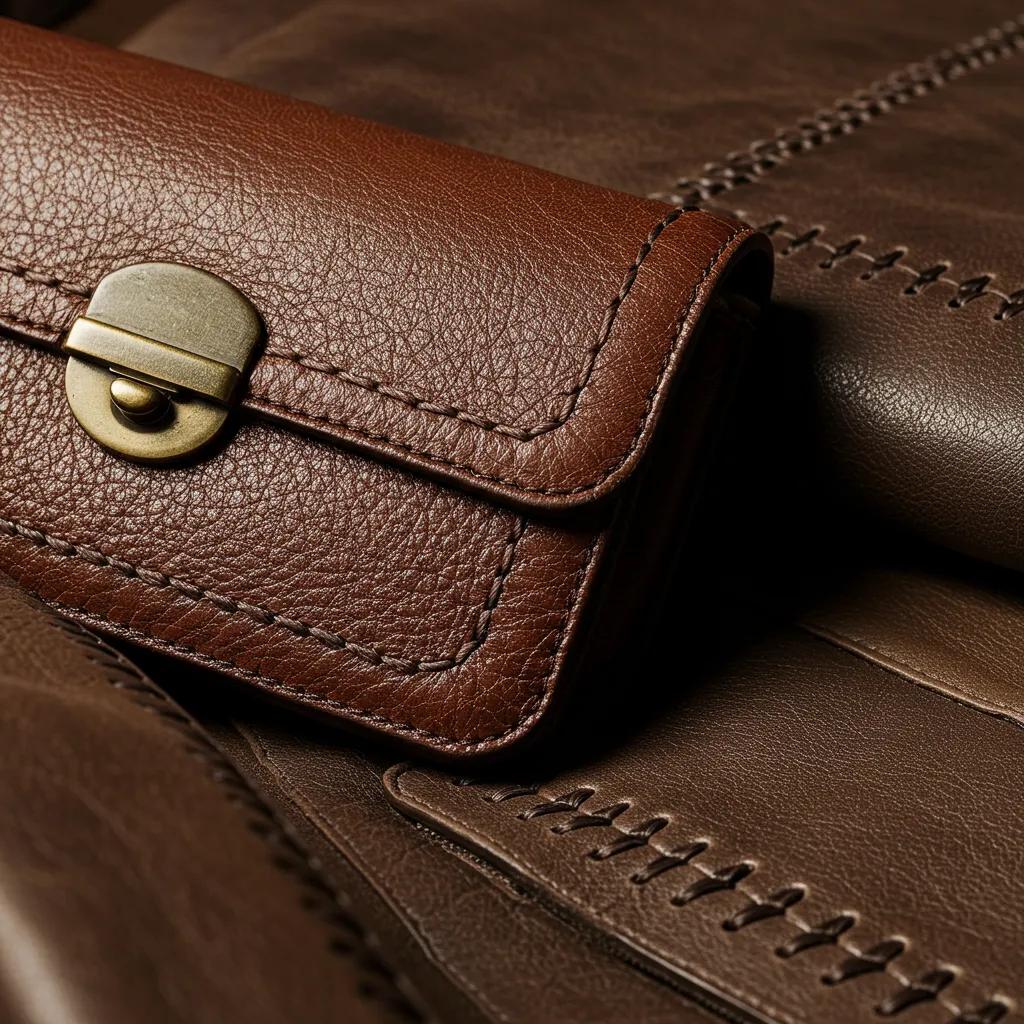
Leather Stitching Issues: How to Spot, Prevent and Repair Common Stitching Defects
Stitching defects—whether visible flaws or structural failures in seams—cut a piece’s lifespan and harm its appearance. They happen when stitch formation, material choice, or production controls don’t match the design and intended use. Correct stitching keeps load-bearing seams sharing stress, preserves clean lines on high-end jackets and bags, and prevents unraveling that shortens service life. In this guide we show you how to identify the most common stitching faults, explain the material and mechanical causes, and offer practical repair methods for both DIY and professional work. You’ll also learn machine-level troubleshooting, routine care to extend life, and which stitch types, threads, needles and tools work best for sheep, goat, cow and buffalo leathers. Continue for quick diagnostic checklists, step-by-step repairs, side-by-side comparisons of threads and machines, and maintenance tips that reduce returns and keep goods performing longer.
Pakistan Leather puts craftsmanship and preventative production at the heart of our promise. We combine hand-stitched detail and careful material selection to cut common stitching failures. As an e-commerce resource and exporter of premium leather jackets and bags, we follow hand-stitch standards, match thread and needle precisely, and use in-line inspections to lower defect rates for wholesale and export customers. That manufacturing perspective frames the prevention strategies below; after that we return to practical, neutral guidance to help you diagnose, fix and avoid stitching problems at home or in production. Next, find the most frequent stitching defects and the quick visual signs that identify each one.
What Are the Most Common Leather Stitching Problems?
Leather goods tend to show a predictable set of stitching faults caused by material choices, machine setup or operator technique. Recognizing the issue quickly helps you decide whether to reinforce, repair or replace a seam. Uneven stitches, loose stitches, skipped stitches, broken thread and puckering are the defects you’ll see most often—each has a clear visual signature and a usual root cause. Knowing these problems lets you focus troubleshooting and link the fix directly to manufacturing or care steps. The list below summarizes the common defects and quick cues for fast diagnosis, then we look more closely at uneven seams and loose stitching.
Common stitching problems and how to spot them:
- Uneven stitches: Stitch length varies along the seam, giving an irregular look that usually points to feed or pattern-alignment problems.
- Loose stitches: Stitches that form loops or gaps—often a sign of tension imbalance or a poor thread-to-leather match.
- Skipped stitches: Missing stitches in a run, frequently caused by the wrong needle or feed issues.
- Broken thread: Threads that snap under load or abrasion, typically a matter of insufficient thread strength or wear resistance.
- Puckering: Leather gathers or pulls along the seam, indicating incorrect stitch density, seam allowance or needle damage.
These quick ID cues make it easier to choose the right repair or prevention path. The next two sections dive deeper into the root causes and visual signs of uneven seams and loose stitching.
Which Stitching Defects Cause Uneven Leather Seams?
Uneven seams show variable stitch length, misaligned stitch rows or seam waviness that alters panel shape. These issues commonly come from feed control problems, miscut panels or operator alignment errors. When stitch length varies, tension is no longer shared evenly and the area becomes a stress concentrator that invites failures later. On jackets, uneven seams are most visible on curved panels and can change fit lines; on bags they appear as wavy edges that affect appearance and closure. To diagnose, inspect feed dogs, presser foot choice, seam allowances and panel alignment during assembly. Correct diagnosis points to the right fix—adjust feed or presser foot, re-cut or re-align panels, or re-stitch with consistent stitch length—to restore both form and function.
Why Do Loose Stitches Occur in Leather Goods?
Loose stitches happen when upper and lower thread tensions are out of balance or when thread and stitch type don’t suit the leather’s thickness and flexibility, creating loops or gaps. Common causes include incorrect machine tension, low-strength thread, or a stitch choice that allows slippage under load (for example, a wide lockstitch with low stitch density). Abrasion at high-friction points, weak terminations without proper backstitching or bartacks, and insufficient reinforcement on load-bearing joins also let stitches loosen over time. Simple checks—gently tug the seam, look for gaps in the seam allowance, and inspect the back of the stitch line—help you decide between local reinforcement, re-stitching or a design change. Fixing loose stitches means matching tension, thread and stitch density to the leather and its intended use.
How Can You Fix Loose Leather Stitches and Uneven Stitching?
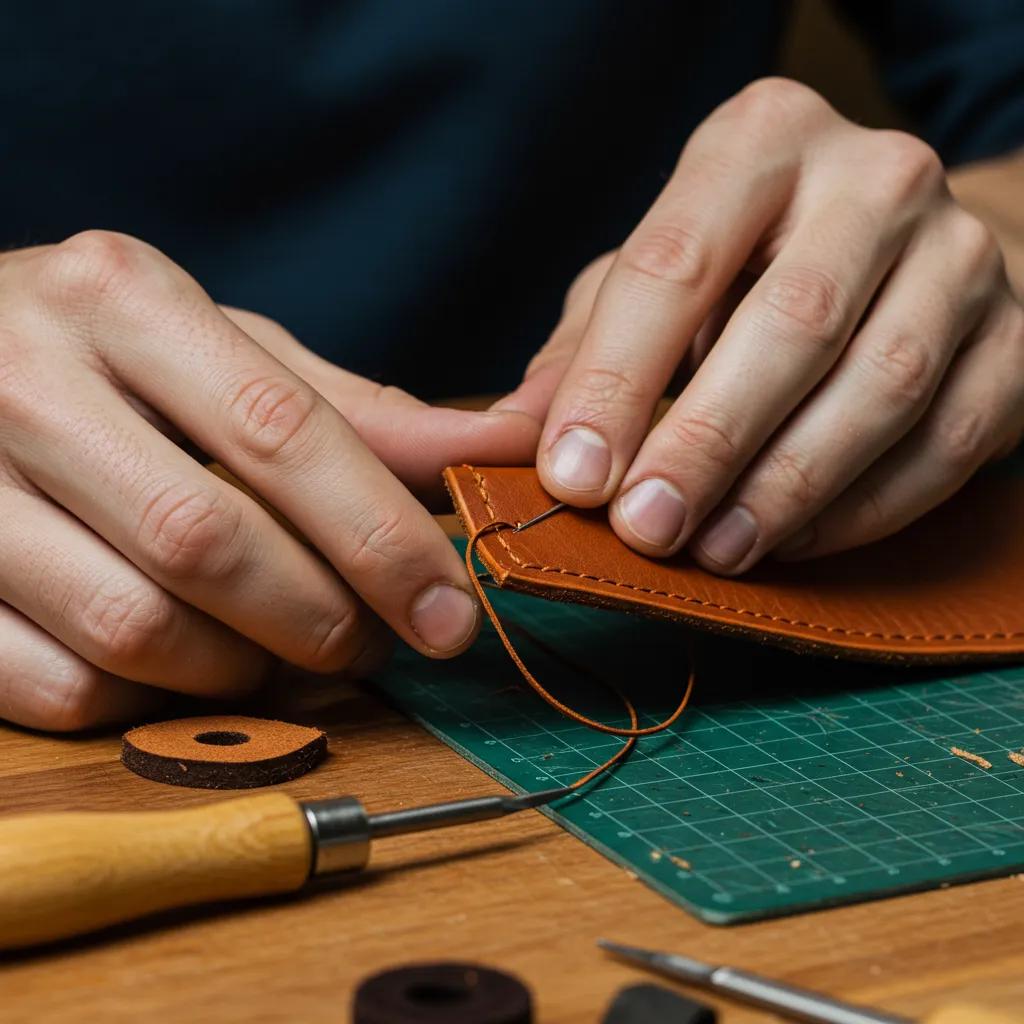
Repairs range from temporary stabilizing to full re-stitching with the right tools. The correct choice depends on how the seam is used and the item’s value. Minor loose stitches can be stabilized with a knot or local re-stitch; structural seams—shoulder straps or jacket shoulders—often need professional re-seaming to restore strength and appearance. For cosmetic uneven stitching, replacing only the affected segment and easing panels to remove puckers can bring back clean lines without compromising structure. Below are practical repair options, the materials you’ll need, and criteria to help decide DIY vs professional service.
Tools and materials for common repairs:
- Essential tools: leather needle, bonded polyester or nylon thread, an awl for realigning holes, and a curved needle or saddle-stitch awl for hand repairs.
- Temporary fixes: small amounts of leather-safe adhesive or a backstitch with a secure knot to stabilize a loose section until proper repair is done.
- Re-stitching: carefully remove damaged stitches, realign panels, and stitch using the correct stitch density and tension to match the original design.
Choose DIY for minor, low-load or hidden repairs; seek a professional for high-load seams, visible fashion pieces or when original seam geometry must be preserved. The following sections outline specific repair methods and corrective techniques for jackets and bags.
What Are the Best Methods to Repair Loose Leather Stitches?
The most reliable repairs reinforce the seam while protecting the leather: re-stitch with bonded polyester or nylon, use saddle stitching on high-stress seams, and reinforce terminations with bartacks or backstitching. Start by removing failed stitches carefully, then inspect the holes—if they’re stretched, use an awl to realign the stitching path and reduce puckering. For hand repairs, saddle stitch gives independent, interlocked stitches that resist unraveling; for machine repairs, choose the right stitch length and adjust tension to prevent recurrence. Adding bartacks, small backing patches or adhesive-backed stabilizers can extend service life without sacrificing a clean finish.
How to Correct Uneven Leather Stitching on Jackets and Bags?
Begin by determining whether the issue is in the stitch line or the panel geometry—if panels are miscut or seam allowances are wrong, you’ll need re-cutting or repositioning rather than a local re-stitch. For jackets, ease curved panels and re-establish consistent seam allowance to restore silhouette and avoid stress points. For bags, remove the affected section and re-stitch with consistent stitch length and proper clamping to correct waviness. Use guides, clamps or temporary basting to keep panels aligned while stitching. When uneven stitching is caused by technique, retraining and tighter process controls stop repeats and improve batch consistency.
What Leather Sewing Machine Problems Lead to Stitching Defects?
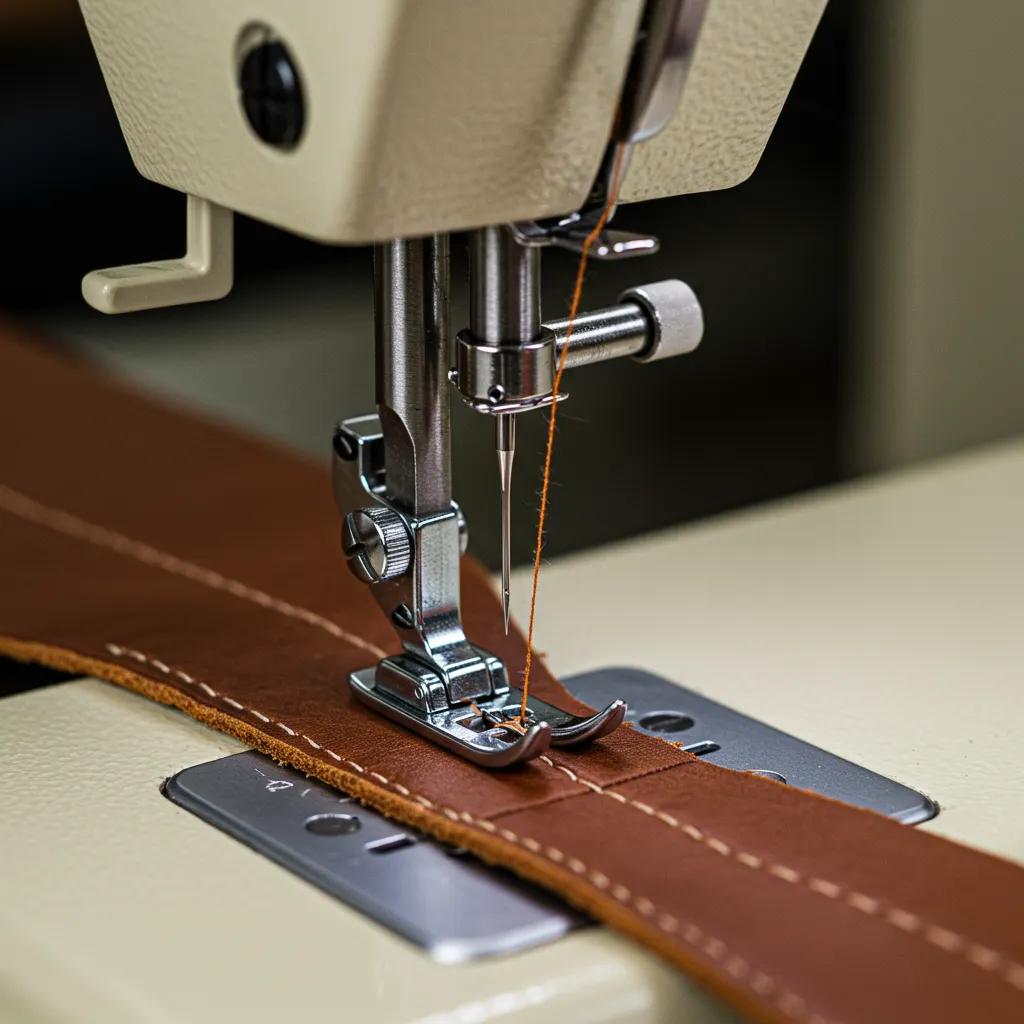
Machine issues are a major source of production and home-sewing defects. Common culprits include wrong tension, incorrect needle type, worn feed mechanisms and unsuitable presser feet. These mechanical problems directly affect stitch formation and produce loose stitches, skipped stitches or inconsistent stitch length when parts are misadjusted or worn. Preventive maintenance, correct setup for the leather thickness and routine inspection of feed dogs and needles reduce machine-caused defects. The sections below explain how tension influences stitching and list frequent machine errors with practical avoidance steps.
Start machine maintenance and setup with tension calibration, needle checks and feed-dog cleaning; these keep stitches consistent and lower defect rates. Understanding tension balance leads to specific symptoms and adjustments technicians can use to produce reliable stitch quality across leather types. After the tension overview, the next section covers other common machine faults and preventive practices.
The sewing machine and operator technique heavily influence the quality of leather garments, so proper setup and upkeep are essential for functional and aesthetic results.
Sewing Machine Impact on Leather Garment Quality
Sewing machines are a key factor in garment quality, and leather demands special sewing techniques. This paper examines methods for sewing leather fabrics to achieve higher quality and efficiency, and evaluates how machine and thread choices affect the functional and aesthetic outcome of leather clothing.
Effect of sewing machine and thread type on the quality of leather garments, 2015
How Does Sewing Machine Tension Affect Leather Stitching Quality?
Tension controls how top and bobbin threads lock inside the leather. Too much upper tension can pucker or cut the leather; too little lets the bobbin thread loop and produces loose stitches. Test tension with a seam sample using the same leather and thread: a balanced stitch locks near the middle of the leather with no visible loops on either face. Adjust tension little by little and re-test until stitches sit flat and the stitch lock is centered, then check with a gentle load or flex test to confirm stability for wear. Correct tension reduces skipped stitches and extends stitch life, and it ties directly into needle choice and stitch-density settings covered next.
Intro to common machine errors and how to avoid them:
- Incorrect or worn needles: fit leather-specific needles and change them on schedule to prevent skipped stitches and perforation.
- Feed dog or walking foot problems: choose the right presser foot and keep feed dogs clean and synchronized to hold stitch length steady.
- Wrong presser foot pressure: set pressure to leather thickness to avoid stretching, compressing or dragging the material while sewing.
What Are Common Machine Stitching Errors and How to Avoid Them?
Typical machine errors include dull or mis-sized needles, contaminated feed dogs, incorrect presser feet and wrong stitch-length settings—each causes predictable faults like skipping, puckering or thread breakage. Avoid them by keeping a needle-change routine, cleaning bobbin and feed areas of debris and glue, using a walking foot for thick or multi-layer leather, and setting stitch length to suit material thickness so you don’t over-perforate. Run a seam sample before production and log settings for repeatable results. Regular servicing and operator training catch problems early and keep product quality steady.
| Machine Component | Common Problem | Practical Fix |
|---|---|---|
| Needle | Skipped stitches or perforation | Fit a leather-specific needle and replace regularly |
| Feed mechanism | Uneven stitch length | Clean feed dogs; use a walking foot or adjust feed timing |
| Tension assembly | Loose or tight stitches | Calibrate tension using seam samples and adjust gradually |
How Does Pakistan Leather Prevent Common Stitching Problems Through Craftsmanship?
Pakistan Leather focuses on prevention through selective hand-stitching, material choice and continuous in-line checks to reduce returns and extend product life for retail and wholesale clients. Our approach combines hand-stitched work where needed and machine processes matched to each leather—sheep, goat, cow and buffalo—selecting stitch types and threads to suit flexibility and load. Quality checkpoints such as stitch sampling, final visual inspections and reinforcement at stress points measurably lower stitching defects and support export-grade consistency. Below is a simple mapping of common manufacturing checkpoints, what we inspect and the durability benefits you can expect.
| Manufacturing Checkpoint | Inspection Attribute | Benefit / Expected Tolerance |
|---|---|---|
| Hide selection | Uniform thickness; defect-free areas | Reduces weak points and skipped stitches |
| Stitch sampling | Stitch length, density and tension | Ensures consistent stitch formation across batches |
| Final inspection | Seam integrity and termination reinforcement | Lowers returns from unraveling or broken seams |
Why Is Hand Stitching Superior for Preventing Loose and Skipped Stitches?
Saddle hand stitching creates independent, interlocked stitches so a single failure won’t cause progressive unraveling like some machine lockstitches can. Each hole is locked by two threads, spreading load and increasing redundancy—this resists thread breakage when seams flex. For premium jackets and bags where longevity and reparability matter, hand stitching at key seams reduces skipped stitches and gives a seam structure that’s easier to repair. That’s why manufacturers often combine hand and machine techniques to balance throughput with durability.
What Quality Control Measures Ensure Durable Leather Stitching?
Good QC starts with hide selection—avoiding thin or scarred areas—followed by stitch sampling under load to validate tension and density, and final seam checks to verify terminations and bartacks. Pull-tested samples expose weak thread or insufficient stitch density before full production continues, saving cost and protecting reputation. Visual and tactile final inspections catch abrasion, puckering and failed terminations that machines may miss; those findings feed operator training and machine setup improvements. Together these measures form a closed-loop quality system that reduces defects and meets wholesale and export standards.
Which Materials and Tools Are Best for Durable Leather Stitching?
Choosing the right thread, needle and stitch type prevents breakage and keeps seams strong across leather types. The correct combination depends on tensile strength, UV/moisture resistance and recommended stitch density for the item. Bonded polyester and nylon are industry favorites for their strength and abrasion resistance; linen and waxed linen remain popular for traditional hand-stitching because of their feel and handling. Needle choice—wedge or chisel for thicker hides, finer points for thin leathers—reduces skipped stitches and needle trauma. The table below compares common thread types and where they perform best.
| Thread Type | Key Attribute | Recommended Application |
|---|---|---|
| Bonded polyester | High tensile strength; UV and moisture resistant | Daily-use bags, straps and load-bearing seams |
| Nylon | Good abrasion resistance; flexible | Heavy-use items that see movement |
| Linen (waxed) | Traditional hand-stitch feel; low stretch | Hand-stitched seams and decorative topstitching |
What Are the Best Threads for Preventing Leather Stitch Breakage?
To avoid stitch breakage choose threads with high tensile strength and low elongation. Bonded polyester and heavy-duty nylon are standard for bags and load-bearing seams because they withstand UV and moisture. Match thread thickness (Tex or denier) to stitch density and hole size—thicker thread needs fewer stitches per inch and larger needles to avoid over-perforation. For hand work, waxed linen balances handling and abrasion resistance while keeping a classic look. The right thread reduces in-use failures and preserves appearance and strength.
How Does Needle Selection Impact Stitching Quality on Different Leathers?
Needle choice affects stitch formation and the risk of leather damage. Wedge or chisel-point needles separate fibers cleanly for thick hides; round or finer points suit thin sheep and goat leathers to avoid tearing. Increase needle size with leather thickness to avoid tearing and skipped stitches—using too fine a needle in thick leather causes wear on the needle and more skips. For machine work, pair leather-specific presser feet with correct needle sharpness to ensure clean penetration and limit puckering. Matching needle, thread and leather is key to clean, durable stitch lines.
| Tool | Attribute | Application |
|---|---|---|
| Leather needle (wedge) | Clean fiber separation | Thick cow and buffalo hides |
| Fine point needle | Minimal perforation | Thin sheep and goat leathers |
| Awl | Hole alignment and easing | Hand-stitch prep and repair |
How Can You Care for Leather Stitching to Extend Product Longevity?
Regular care shields stitching from abrasion, moisture and overload by preserving the leather beneath and preventing forces that wear thread. Simple routines—gentle cleaning, occasional conditioning, proper storage and sensible load management—go a long way. Inspect high-stress terminations and address issues early to avoid larger repairs. The list below gives daily and periodic habits that protect stitch lines; following that we explain when to choose professional repair.
Daily and periodic care practices that protect stitching:
- Clean gently: brush or wipe surface dirt with a soft brush or damp cloth so grit doesn’t abrade thread fibers.
- Condition sparingly: use a conditioner suitable for the leather type to keep it supple and avoid brittleness that stresses seams.
- Avoid prolonged moisture: let wet items dry slowly at room temperature to prevent thread weakening and leather distortion.
- Manage loads: don’t overfill bags or overload seams—spread weight to avoid concentrated stress on a single stitch row.
What Daily Care Practices Prevent Stitching Wear and Tear?
Daily care reduces abrasion and keeps leather flexible: remove grit, condition occasionally to retain suppleness, and avoid exposing seams to direct heat or long sun that can dry threads. Rotate frequently used items to spread wear across seams rather than stressing a single area. Store items in dust bags or covers to keep contaminants off stitch lines and inspect terminations and bartacks monthly to catch early wear. Small, regular habits preserve thread strength and leather structure and cut down repair needs.
When Should You Seek Professional Repair for Leather Stitching Issues?
Seek professional repair for structural seam failures, repeated thread breaks, large-area puckering or when the item’s value or warranty calls for expert restoration. Professionals can saddle-stitch critical seams, replace thread with factory-grade materials, and recreate original seam geometry. If minor fixes fail repeatedly or damage affects function—strap detachment or shoulder seam failure—get professional service promptly to stop further leather damage. Pakistan Leather provides repair guidance and support channels for owners and wholesale partners seeking maintenance or restoration that aligns with manufacturing standards. For persistent or complex defects, professional re-stitching restores strength and preserves value.
- Signs to seek repair: repeated thread breaks, structural seam failure, heavy puckering or broad stitching loss.
- Expected outcomes: restored seam strength, matched thread and stitch appearance, and professional reinforcement at stress points.
- Next steps: document the affected area, avoid further use that stresses the seam, and contact product support for repair guidance.
This guidance links ownership care back to manufacturing best practices and points to repair options that preserve premium leather goods.
Frequently Asked Questions
What are the signs that leather stitching needs professional repair?
Seek professional repair when you see repeated thread breaks, structural seam failure, significant puckering, or large areas of missing stitching. If temporary fixes keep failing or functionality is impaired—examples include strap detachment or shoulder seam separation—an expert can re-stitch with high-grade materials and restore original seam geometry.
How can I prevent leather stitching defects during the manufacturing process?
Prevent defects by selecting appropriate materials, setting up machines correctly, and running regular QC checks. Use the right thread and needle for each leather type, calibrate tension, keep feed mechanisms clean, and implement in-line inspections and stitch sampling. Training operators on best practices keeps quality consistent across batches.
What maintenance routines can extend the life of leather stitching?
Extend stitching life with gentle cleaning, occasional conditioning and smart load management. Remove dirt with a soft brush or damp cloth, use conditioners suited to the leather, avoid prolonged moisture exposure and don’t overfill bags. Regular checks of high-stress areas help you catch problems early.
What types of thread are best for leather stitching?
Bonded polyester and heavy-duty nylon are top choices for their tensile strength and resistance to UV and moisture—ideal for daily-use items and load-bearing seams. For hand-stitching, waxed linen offers a classic look with good handling and abrasion resistance. Match thread strength and thickness to the application for best results.
How does needle selection impact leather stitching quality?
Needle selection affects how cleanly the thread passes through leather. Use wedge or chisel-point needles for thick hides and round or fine points for thin leathers to avoid tearing. Match needle size to leather thickness—too fine a needle in thick leather causes skips and extra wear. Proper needle choice helps produce neat, durable stitch lines.
What are the common causes of skipped stitches in leather sewing?
Skipped stitches usually come from the wrong needle, incorrect tension or contaminated feed dogs. A needle that’s too fine for the leather thickness can also cause skips. Regular cleaning, correct needle-thread pairing and seam-sample testing are key to preventing skipped stitches.
When is it appropriate to use hand stitching over machine stitching for leather goods?
Hand stitching is best for high-end pieces or critical seams where durability and reparability matter. Saddle stitching locks each hole with two threads so a single failure won’t unravel the seam, and it allows precise control over stitch density and placement. For cosmetic repairs or bespoke work, hand stitching offers control that machines sometimes can’t match.
Conclusion
Spotting and fixing common stitching problems keeps your leather goods looking and performing their best. By learning the signs—uneven stitches, loose seams, skipped stitches and puckering—you can choose the right repair or prevention step and protect both form and function. For valuable or complex repairs, professional restoration preserves the item’s appearance and service life. Explore our leather-care products and expert services to keep your pieces in top condition with the same standards we use in production.


