
Applications for Bonded Leather
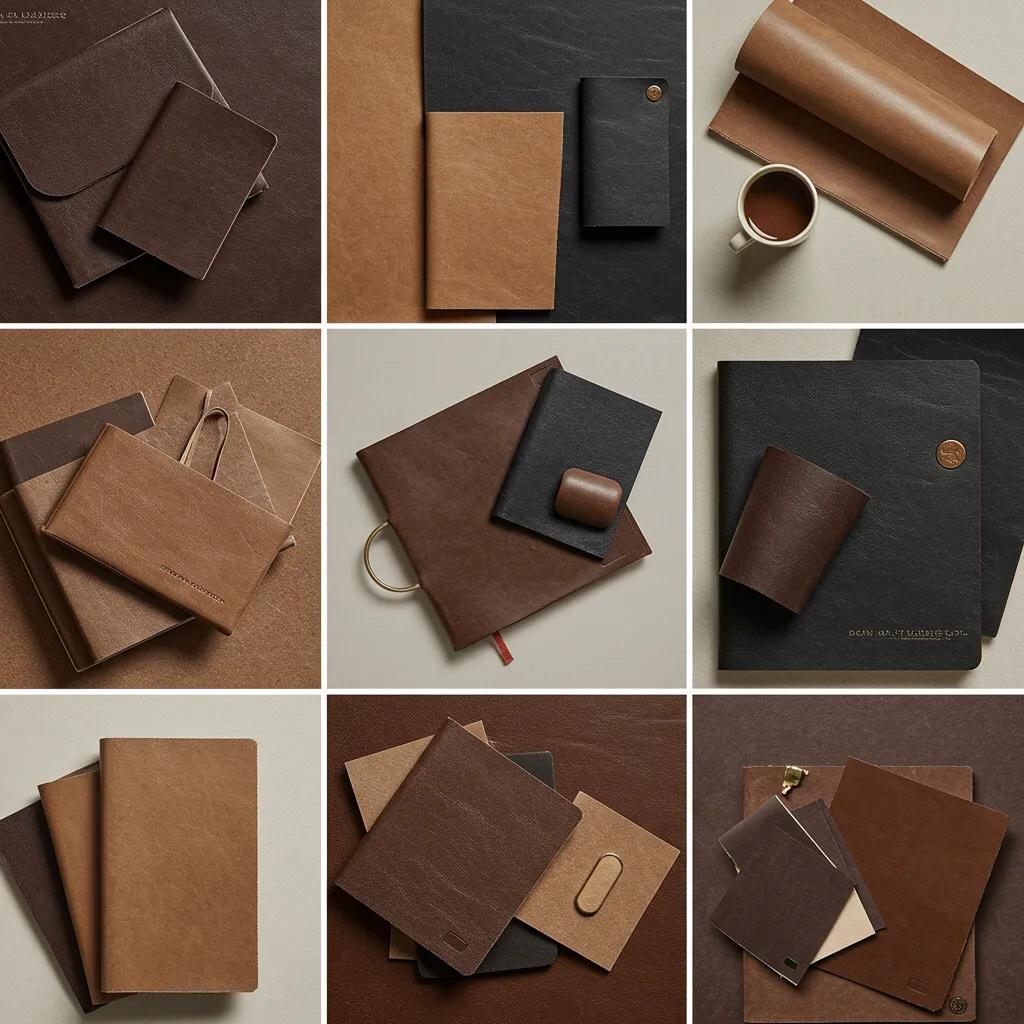
Where Bonded Leather Fits: Uses, Benefits and How It Compares
Bonded leather is a reconstituted sheet made from shredded leather fibers mixed with synthetic binders and a finished surface. It’s chosen when the look of leather is needed at a lower cost. This guide describes what bonded leather is, how it’s made, and why designers and buyers pick it for furniture, accessories, book covers and promotional items. We answer common questions—Is it “real” leather? How long does it last? How should you care for it?—and offer clear comparisons to genuine and faux leather, realistic durability expectations, and simple maintenance steps. You’ll find practical detail on composition, manufacturing stages, typical applications, advantages and limits, and buyer guidance for both consumers and wholesale purchasers. The sections that follow cover definition and production, common uses, direct comparisons, pros and cons, care instructions, and how Pakistan Leather positions bonded leather alongside its genuine-leather range.
What Is Bonded Leather and How Is It Made?
Bonded leather is a composite material made by binding shredded leather fibers with a polymer binder, applying a backing, and finishing the surface so it resembles full-grain leather. The process turns leather offcuts into a uniform sheet that can be embossed and colored consistently at lower cost. Performance depends on fiber content, binder chemistry, backing thickness and finish quality. Knowing these elements helps buyers judge suitability and predict wear patterns such as surface cracking or peeling. Below we look more closely at the materials involved.
What Materials Compose Bonded Leather?
Typical bonded leather contains shredded leather fibers, a polyurethane or latex binder, a fabric or paper backing, and a pigmented or embossed finish to mimic grain. Fiber content can range from lower blends (10–30%) to higher mixes (30–60%); the binder and backing determine strength and flexibility. The backing—usually woven fabric or heavy paper—adds tensile strength and stability, while the pigmented finish evens color and resists stains. When assessing quality, favor higher leather content, robust binder formulations and durable finishes—these reduce peeling and extend usable life. Next, we summarize components and their roles.
Introductory table describing bonded leather components and roles.
| Component | Typical Composition Range | Role |
|---|---|---|
| Shredded leather fibers | 10–60% by weight | Provides natural leather particles for appearance and texture |
| Polyurethane/latex binder | 20–50% by weight | Bonds fibers into a cohesive sheet; affects flexibility and durability |
| Fabric/paper backing | 10–40% by weight | Adds tensile strength and dimensional stability |
| Embossed/pigmented finish | Thin coating layer | Simulates grain, provides color and surface protection |
How Is Bonded Leather Manufactured?
Production starts with shredding leather waste, blending fibers with binders, forming and pressing the mix onto a backing, then applying finishes and embossing for texture and color. Key quality checks include even fiber distribution, complete binder cure, strong adhesion to the backing and a cohesive finish—failures in any step show up as early peeling or delamination. Differences such as solvent-cure versus water-based binders, binder loading and finishing chemistry affect flexibility, abrasion resistance and heat sensitivity. When you evaluate suppliers, ask for fiber percentage, binder type, finish thickness and inspection protocols—these details predict real-world durability and separate careful manufacturing from cost-cutting shortcuts.
What Are the Common Applications of Bonded Leather?
Bonded leather is used where a leather-like look is needed with lower material cost and consistent appearance across batches. Common applications include furniture and upholstery in low-to-moderate traffic areas, fashion accessories that favor appearance and price, and bookbinding or promotional items where printability and uniform color matter. Designers choose bonded leather when precise color matching and embossing are priorities because finishes can be controlled reliably. The sections below cover furniture, accessories and promotional/bookbinding uses in more detail.
Below are core use-cases where bonded leather is commonly chosen:
- Furniture and upholstery in low-to-moderate use areas such as guest seating and decorative pieces.
- Fashion accessories like wallets, small bags and belts where appearance and cost take precedence over decades-long wear.
- Bookbinding and promotional merchandise that require consistent appearance, branding and affordable bulk pricing.
These categories highlight trade-offs between looks, cost and expected lifespan; next we zoom into furniture and upholstery use.
How Is Bonded Leather Used in Furniture and Upholstery?
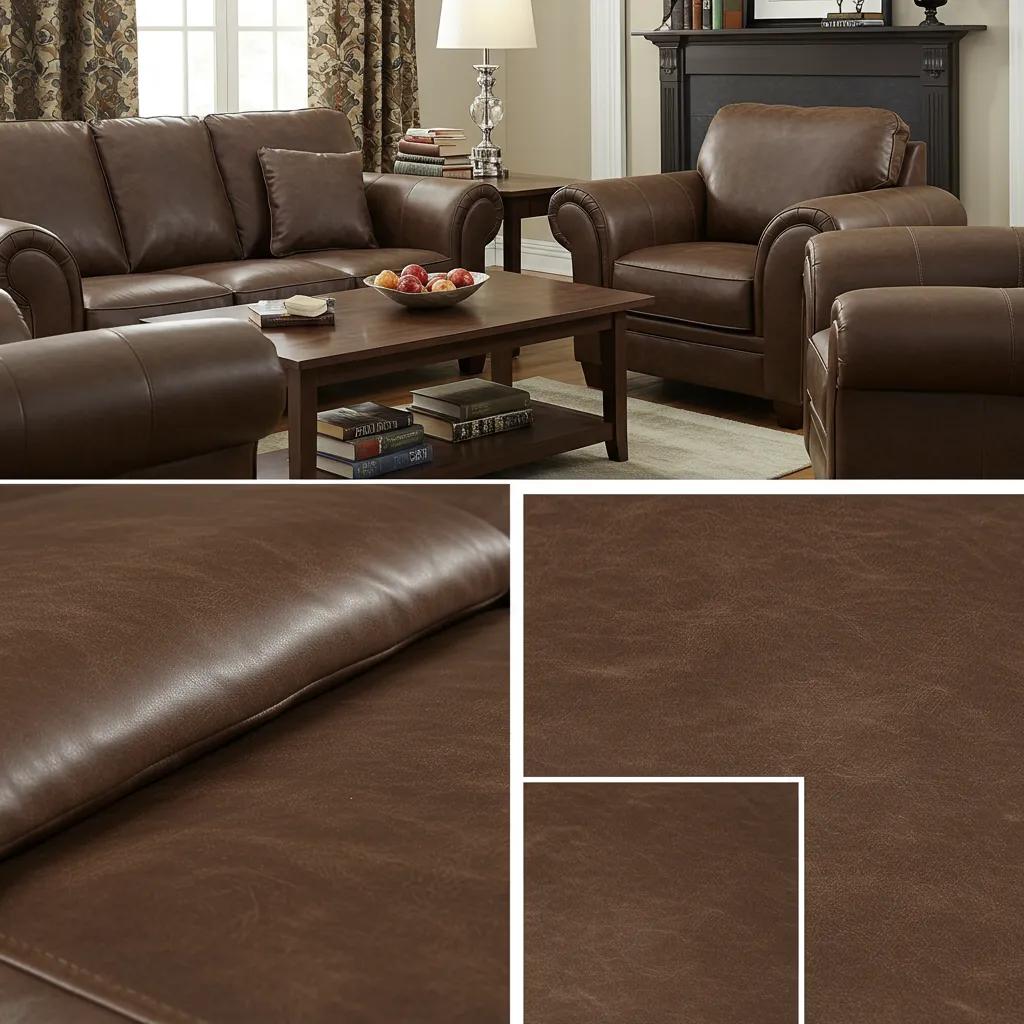
In furniture, bonded leather commonly covers sofa panels, chair arms, headboards and office seating in settings with light or controlled use. It delivers a smooth, uniform surface that takes embossing and holds color well, but it is more vulnerable to surface wear, peeling and edge cracking than genuine leather under heavy daily use. Bonded leather is best for decorative sofas, visitor seating, accent pieces or budget-minded contract projects that accept moderate replacement intervals. To extend life, choose thicker finishes, protective coatings and designs that reduce abrasion on high-contact areas.
What Fashion Accessories Are Made from Bonded Leather?
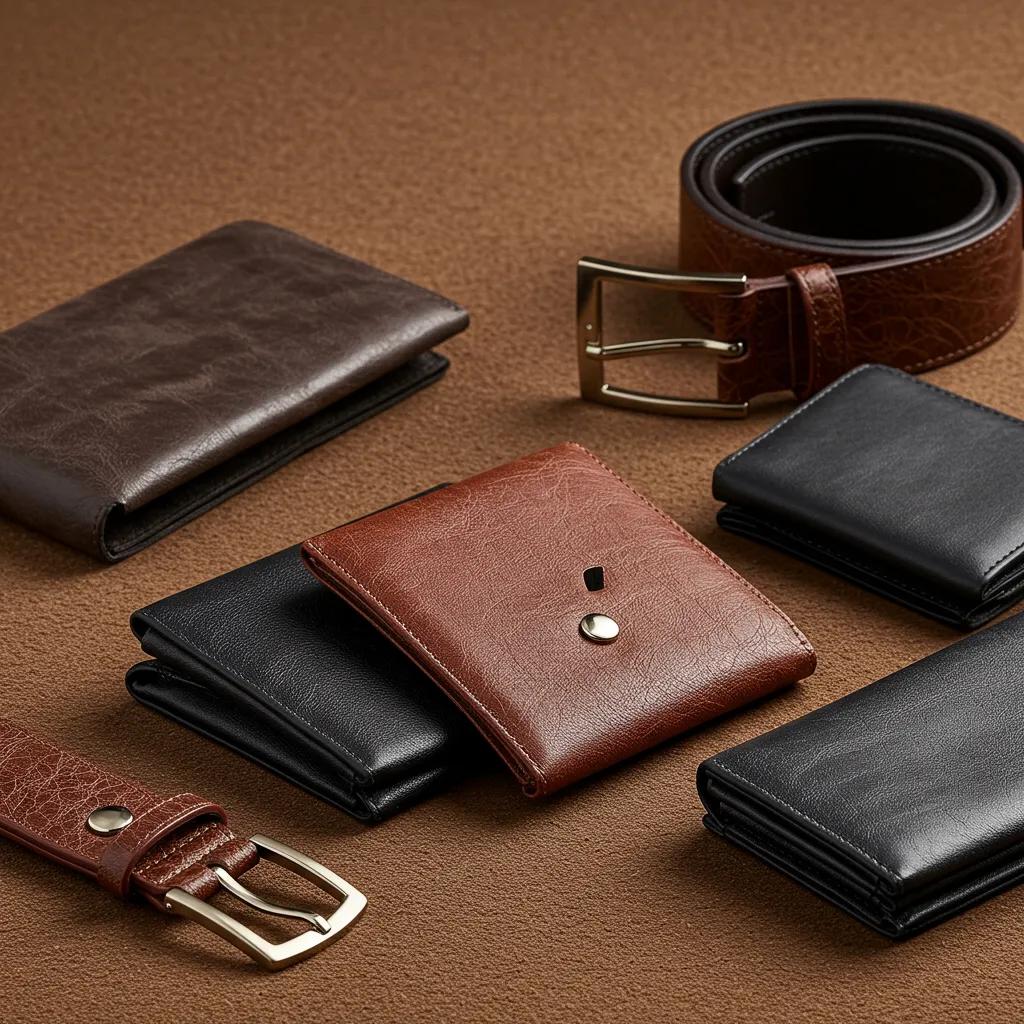
Bonded leather suits wallets, card holders, small clutches, belts and budget handbags where visual appeal and lower cost matter more than decades-long durability. The material accepts embossing, printing and Pantone-matched colors, which helps create coordinated collections and predictable finishes across production runs. For items with moderate handling—card holders or seasonal belts—bonded leather is an economical way to achieve a leather-like look at stable production cost. Expect higher-wear daily items to show surface wear sooner than genuine leather; for seasonal lines and giveaways, bonded leather often makes sense.
Which Promotional and Bookbinding Items Use Bonded Leather?
Book covers, conference folders, branded card holders, keychains and promotional coasters frequently use bonded leather because it supports clear embossing and cost-effective bulk runs. Pakistan Leather offers bonded-leather promotional options that focus on affordability and a consistent finish for events and corporate gifting—typical examples include card holders, keychains and folders produced in customizable quantities. The stable surface allows clean logo embossing or hot-stamping, and lower material cost often makes bonded leather the pragmatic choice for short-term campaigns. When planning branded items, balance affordability and expected lifespan against the campaign’s visibility and turnover.
Short summary: Bonded leather’s predictable finish and embossing strength make it a good choice for branded materials and bookbinding where consistent appearance and lower unit cost matter most.
How Does Bonded Leather Compare to Genuine and Faux Leather?
Bonded leather sits between genuine leather and faux (PU/PVC) leather in cost, environmental story and performance. It reuses leather scraps but includes synthetic binders; faux leather is fully synthetic and can resist delamination better in some cases. In durability, genuine leather usually outlasts both bonded and faux leather and is repairable, while bonded leather can convincingly mimic grain at a lower price with the added benefit of using leftover material. The table below compares lifespan, cost, appearance and environmental factors across the three types to help you choose.
Comparison table: Bonded vs Genuine vs Faux
| Material Type | Durability (Typical Lifespan) | Cost Level | Appearance & Feel |
|---|---|---|---|
| Bonded leather | 2–7 years depending on quality | Low to medium | Good initial leather-like look; surface may peel over time |
| Genuine leather | Decades with proper care | High | Natural grain, patina, repairable surface |
| Faux leather (PU/PVC) | 5–10+ years depending on quality | Medium | Very uniform finish; can be durable but fully synthetic feel |
What Are the Durability and Lifespan Differences?
Durability follows from composition: genuine leather is a continuous natural hide that can be conditioned and repaired; faux leather is a synthetic sheet often water-resistant but less breathable; bonded leather is a composite whose surface binder can fail. Typical lifespans are roughly 2–7 years for bonded leather (quality-dependent), 5–15+ years for higher-grade faux leather, and multiple decades for genuine leather with proper care. Failure modes differ: bonded leather often peels to reveal the backing, faux leather may crack with repeated flexing, and genuine leather develops patina and surface marks while remaining structurally sound. Choose based on expected service life and replacement plans.
How Do Cost and Appearance Differentiate Between Bonded and Genuine Leather?
Bonded leather sits in an economical tier, offering a convincing appearance through pigmented finishes and embossing. Genuine leather is pricier but offers authentic grain, suppleness and attractive aging. Techniques like embossing and layered finishes let bonded leather imitate high-end looks initially, but the tactile subtleties and natural variation of genuine leather are hard to reproduce. Pick bonded leather when initial cost and consistent appearance matter more than long-term patina and repairability; choose genuine leather when you invest for longevity and natural aging.
What Are the Environmental and Material Differences Compared to Faux Leather?
Bonded leather’s main environmental benefit is reusing leather scraps, which reduces solid waste from hide processing, but its binders and finishes contain synthetic polymers that complicate recycling. Faux leather is fully synthetic and relies on petrochemicals, raising lifecycle concerns, though some high-quality PU options are engineered for longer life and easier cleaning. Overall sustainability depends on full lifecycle analysis: bonded leather reduces waste but creates composite materials that are harder to recycle; faux leather avoids animal inputs but depends on plastics. Buyers focused on sustainability should request supplier disclosures about fiber sourcing, binder chemistry and end-of-life options.
What Are the Advantages and Disadvantages of Bonded Leather?
Bonded leather brings clear benefits—lower cost, uniform appearance and an upcycling element—along with trade-offs like shorter lifespan, peeling risk and limited repairability. The choice should consider expected use intensity, desired product life and whether initial appearance outweighs longevity. Below is a concise pros/cons overview followed by a practical impact table.
Key advantages and disadvantages summarized in brief list form:
- Advantage — Cost-effectiveness: Lower material cost enables affordable production of leather-like goods.
- Advantage — Consistent Finish: Uniform color and embossing support reliable branding and repeatable designs.
- Disadvantage — Durability Limits: Prone to peeling and cracking under heavy use or poor finishing.
- Disadvantage — Repair Challenges: Surface damage is often difficult to repair invisibly.
These points serve as practical decision criteria for consumers and wholesale buyers evaluating bonded leather across product categories.
| Feature | Advantage / Disadvantage | Practical Impact |
|---|---|---|
| Cost | Advantage | Enables lower unit prices for promotional and decorative goods |
| Appearance Uniformity | Advantage | Consistent branding and color matching across batches |
| Longevity | Disadvantage | Shorter service life; may require earlier replacement |
| Repairability | Disadvantage | Limited repair options; surface damage is often permanent |
This table helps procurement teams decide which trade-offs matter most and explains why bonded leather is often specified for short-to-medium lifecycle items.
Pakistan Leather’s in-house production and hand-stitching capabilities let us offer tailored finishes and Pantone color matching for bonded-leather promotional runs and samples. Buyers can request specific embossing, precise color development and consistent bulk finishes—choices that reduce visual risk while accepting the material’s durability limits.
What Are the Key Benefits of Using Bonded Leather?
Bonded leather’s main benefits are affordability, reliable appearance and the reuse of leather scraps—appealing to budget-conscious designers and procurement teams. For promotional merchandise or short runs, it lets you emboss clear logos and match Pantone colors while keeping unit costs low—ideal for event giveaways and branded corporate items. Its finish and embossing versatility make it useful when a leather-like look is desired without the expense of full leather. Use these strengths to specify bonded leather for appropriate products and production sizes.
What Are the Common Drawbacks and Limitations?
The main drawbacks are surface durability, potential peeling and limited repair options, all of which shorten expected life compared with genuine leather. There’s also an environmental trade-off: binders and finishes complicate recycling even though fiber reuse cuts raw waste. For heavy-use furniture or heirloom accessories, bonded leather is a poor long-term choice; for disposable or mid-life promotional items it often performs well. Weigh these limits against cost savings and planned replacement cycles before specifying bonded leather.
How Should You Care for and Maintain Bonded Leather Products?
Bonded leather needs gentle, regular care to slow surface wear and extend usable life. Focus on avoiding harsh solvents, direct heat and prolonged sunlight. A simple routine—dusting, mild soap cleaning and occasional protective treatment—can delay peeling and preserve the finish. Below are actionable daily and periodic care steps, plus quick do/don’t rules and stain-response tips.
Routine maintenance list introduction: the list below outlines basic cleaning and care actions to protect bonded leather surfaces.
- Daily dust and wipe: Use a soft, dry cloth to remove dust and prevent grit abrasion.
- Weekly gentle clean: Wipe with a damp cloth and mild pH-neutral soap; avoid soaking the material.
- Monthly inspect and spot-treat: Check seams and edges for early peeling and address stains promptly with mild cleaners.
Regular light cleaning reduces abrasive wear and builds habits that prevent premature failure. The short do/don’t list below highlights common pitfalls.
- Do keep bonded leather out of direct sunlight and away from heat sources to protect the finish.
- Do use mild, water-based cleaners and always test first in an inconspicuous spot.
- Don’t use solvents, alcohol-based cleaners or bleach—these dissolve binders and finishes.
- Don’t machine-wash or saturate bonded leather items; excess moisture weakens adhesives.
What Are the Best Cleaning Tips for Bonded Leather?
Begin with a light dusting, then spot-clean with a soft cloth dampened in mild, pH-neutral soap solution; rinse with a clean damp cloth and dry immediately to avoid moisture wicking into the backing. For spills, blot—don’t rub—and test any cleaner on a hidden edge first. Avoid oil-based leather conditioners meant for genuine hides, as they can discolor or patch the finish; use protectants formulated for pigmented synthetics only when recommended. Inspect seams and edges regularly so small lifting or cracking can be caught early and managed before it spreads.
How Can You Extend the Lifespan of Bonded Leather Items?
Prevention works best: keep furniture away from direct sun, rotate cushions and use arm covers to reduce concentrated abrasion, and choose designs that limit stress on edges and seams. For accessories, avoid overstuffing and reduce rubbing against rough surfaces; for promotional items, plan replacement cycles that match campaign life. Minor peeling can sometimes be temporarily stabilized with edge sealing or localized adhesive—still, plan for replacement rather than long-term repair in high-wear situations. Combined with careful cleaning and storage, these measures provide the best balance of appearance and realistic longevity.
Why Does Pakistan Leather Focus on Genuine Leather While Acknowledging Bonded Leather Uses?
We prioritize genuine leather craftsmanship—hand-stitched detailing and a selection of hides—because durability and natural finish matter to many customers. At the same time, we recognize bonded leather’s role for lower-cost promotional items and short-lifecycle goods. This balanced position lets Pakistan Leather advise buyers objectively: recommend genuine leather for high-value products and bonded leather for branded giveaways or affordable sample runs. Our in-house production and quality controls support both approaches and help buyers match material choice to performance and budget goals.
What Are Pakistan Leather’s Quality Standards and Customization Options?
Pakistan Leather operates as an e-commerce and information hub backed by manufacturing expertise in premium leather garments and made-ups—jackets, bags, coats, dresses, trousers and accessories—emphasizing hand-stitched finishes. We work with sheep, goat, cow and buffalo hides and offer custom color development from Pantone books to match client branding precisely. Clients can specify grain treatments, stitching styles and color shades while we maintain production oversight. Hand-stitched assembly supports perceived quality even in smaller runs. These options let buyers align look and branding with market requirements and budgets for both genuine and bonded-leather items.
How Does Pakistan Leather Address the Market for Bonded Leather Promotional Items?
Pakistan Leather maps bonded leather to practical promotional SKUs—card holders, keychains and conference folders—that benefit from consistent finishes and bulk affordability. We offer Pantone color matching and repeatable embossing for clear branding. For wholesale buyers, our production model supports custom runs with logo hot-stamping, selected finishes and hand-stitched assembly if required, balancing cost and perceived quality for event merchandise and corporate gifts. Discuss expected usage and turnover with us so material choice, finishing and unit cost align with campaign goals and replacement timelines.
This final section ties technical and commercial perspectives together, helping buyers select the material and finish that meet aesthetic, functional and budgetary needs across furniture, accessory and promotional categories.
Frequently Asked Questions
What is the lifespan of bonded leather compared to other materials?
Bonded leather typically lasts about 2 to 7 years, depending on quality and use. Genuine leather can last for decades with care, while higher-quality faux leather often lasts 5 to 10 years or more. Bonded leather’s shorter life is mainly due to its composite surface, which can peel under heavy wear. Match material choice to expected use and replacement plans.
Can bonded leather be repaired if damaged?
Repairing bonded leather is difficult because of its layered structure. Unlike genuine leather, which can be conditioned and repaired, bonded leather often suffers surface damage that is hard to fix invisibly. Small cosmetic fixes may be possible but are not usually long-term. For high-wear items, plan for replacement rather than repair.
How does bonded leather perform in high-traffic areas?
Bonded leather is best for low to moderate traffic areas. In busy homes or heavy-use offices it may show wear—peeling or cracking—so for high-traffic furniture or accessories consider genuine leather or high-quality faux materials that better withstand daily stress.
What maintenance is required for bonded leather products?
Maintain bonded leather with regular dusting and gentle cleaning using a damp cloth and mild, pH-neutral soap. Avoid harsh chemicals, prolonged sun exposure and direct heat. Check items monthly for early signs of peeling or edge wear. A simple routine preserves appearance but won’t make bonded leather as long-lived as genuine leather.
Is bonded leather environmentally friendly?
Bonded leather reuses leather scraps, reducing solid waste from hide processing, which is an environmental plus. However, the synthetic binders and finishes make recycling more complicated. Compared with fully synthetic alternatives, bonded leather trades reduced waste for composite materials that are harder to recycle. Ask suppliers for lifecycle information if sustainability is a priority.
What are the best uses for bonded leather products?
Bonded leather is ideal where a leather look is needed at a lower cost: low-traffic furniture, fashion accessories like wallets and belts, and promotional items such as conference folders and branded merchandise. Its embossing and color-matching strengths make it especially useful for branded products. For items needing long-term durability, genuine leather or higher-grade synthetics are better choices.
Conclusion
Bonded leather offers a practical mix of affordability, consistent appearance and the benefit of reusing leather scraps—making it useful for budget-minded designers and buyers. Its reliable finish and embossing options support branding and short runs, especially for promotional goods. At the same time, know its limits: reduced durability and limited repair options compared with genuine leather. Use this guide to pick the right material for your needs, and explore Pakistan Leather’s bonded and genuine-leather ranges to find the balance of cost and quality that suits your project.


