
Timeless Vintage Leather Styles
Timeless Vintage Leather: Classic Jackets, Retro Style, and Bespoke Designs
Vintage leather endures because it marries shape, touch, and durability. In this guide we explain why retro leather remains prized, how signature jacket types achieve their classic character, and which materials and finishes determine both appearance and lifespan. You’ll find clear descriptions of biker, bomber, and cafe racer jackets, practical outfit pairings to modernize retro pieces, and why hand-stitched customization matters for authentic vintage results. We also compare hides—lambskin, cowhide, goat, buffalo—outline vegetable-tanning effects, and walk through how to buy genuine vintage-style leather from makers or wholesalers. Together these chapters blend style history, material know-how, styling tips, and buying steps so you can choose, care for, or commission vintage leather that fits your look and lasts.
Most Popular Vintage Leather Jacket Styles
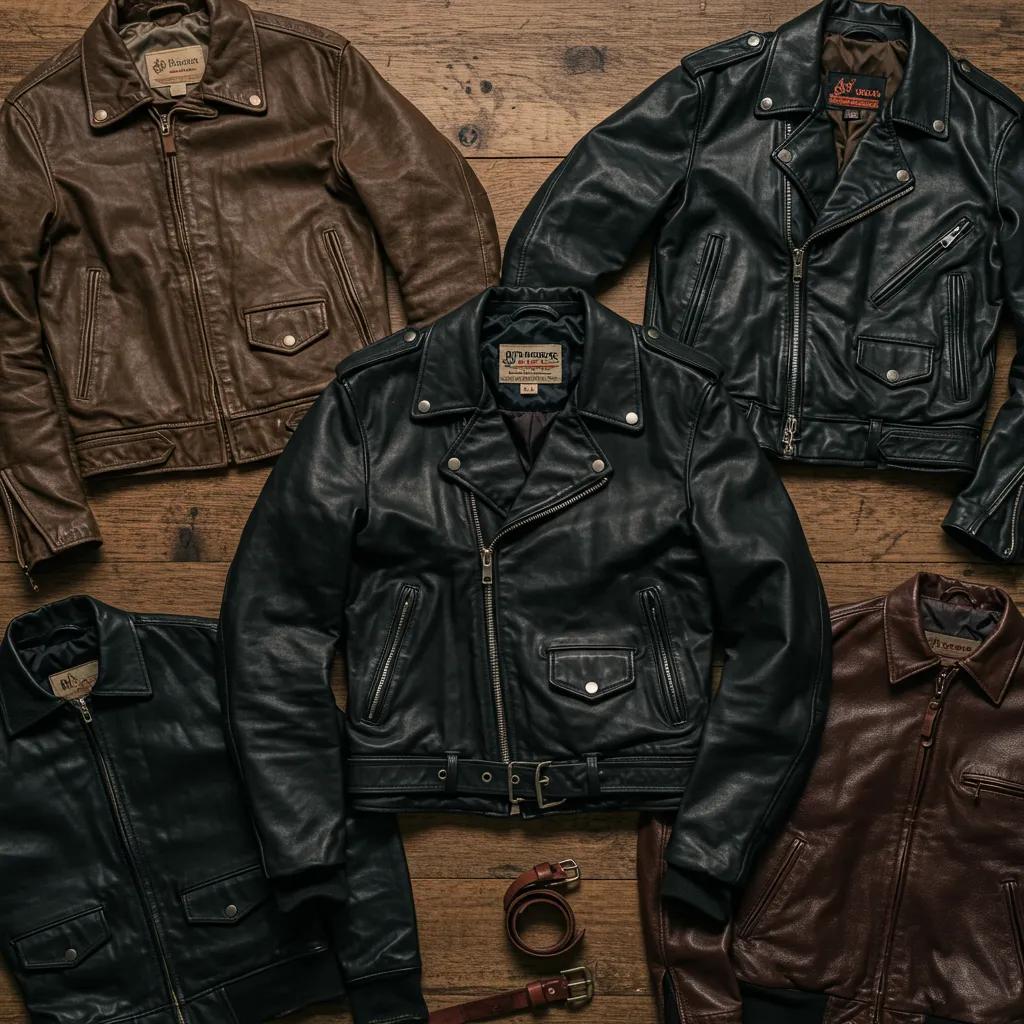
Classic leather jackets are defined by clear silhouettes that balance function with style. Small design choices—collar shape, zipper placement, pocket layout, and hardware—create each jacket’s distinct look and practical benefits. Knowing those details helps you pick the right jacket for your wardrobe goals, whether that’s a rugged, ride-ready feel or a clean, city-ready profile. Below are the core styles and the design cues that make them recognizably vintage, plus a note on finishes and materials that enhance each type.
- Biker Jacket: Asymmetrical zipper and belted hem give wind protection and a bold, aggressive presence on or off the bike.
- Bomber Jacket: Ribbed cuffs and hem with a boxy, insulating cut—originating in flight wear—add casual polish and layerable warmth.
- Cafe Racer Jacket: Slim, minimalist lines with a snap collar and centered zipper for streamlined movement and easy layering.
- Distressed / Patina Jacket: Surface treatments and controlled aging soften color and reveal character for that lived-in vintage look.
Each silhouette responds to specific finishing and material choices; the section that follows breaks down component features and how they shape fit and function.
Key Features That Define Biker, Bomber, and Cafe Racer Jackets
Break a jacket into its parts—collar, closure, pockets, hardware, and cut—to understand why it reads as a particular style. Bikers lean on asymmetrical zips and heavy hardware to block wind and secure a snug fit, often with a belted hem and multiple pockets. Bombers use ribbed cuffs and hem with a fuller torso to trap warmth and offer quick access pockets. Cafe racers keep things minimal: a band or snap collar, centered zipper, and sparse pockets maintain a slim profile that layers easily. These component choices affect movement, layering, and the outfits each jacket pairs with; we build on that in the styling section.
How Distressed and Patina Finishes Add Vintage Appeal
Distressing and patina alter a leather’s surface to tell a story of use and time. Distressing creates scratches, abrasions, and contrast for an intentionally worn look; patina forms gradually through oils, light, and handling, producing a sheen and depth unique to the wearer. Some finishes change water resistance or softness slightly; visually, they decide whether a piece feels rugged, refined, or heritage. Basic care—gentle cleaning, conditioning, selective polishing—keeps patina developing well rather than letting finishes degrade. Your chosen hide will strongly influence how patina behaves.
How to Style Retro Leather for a Timeless Look
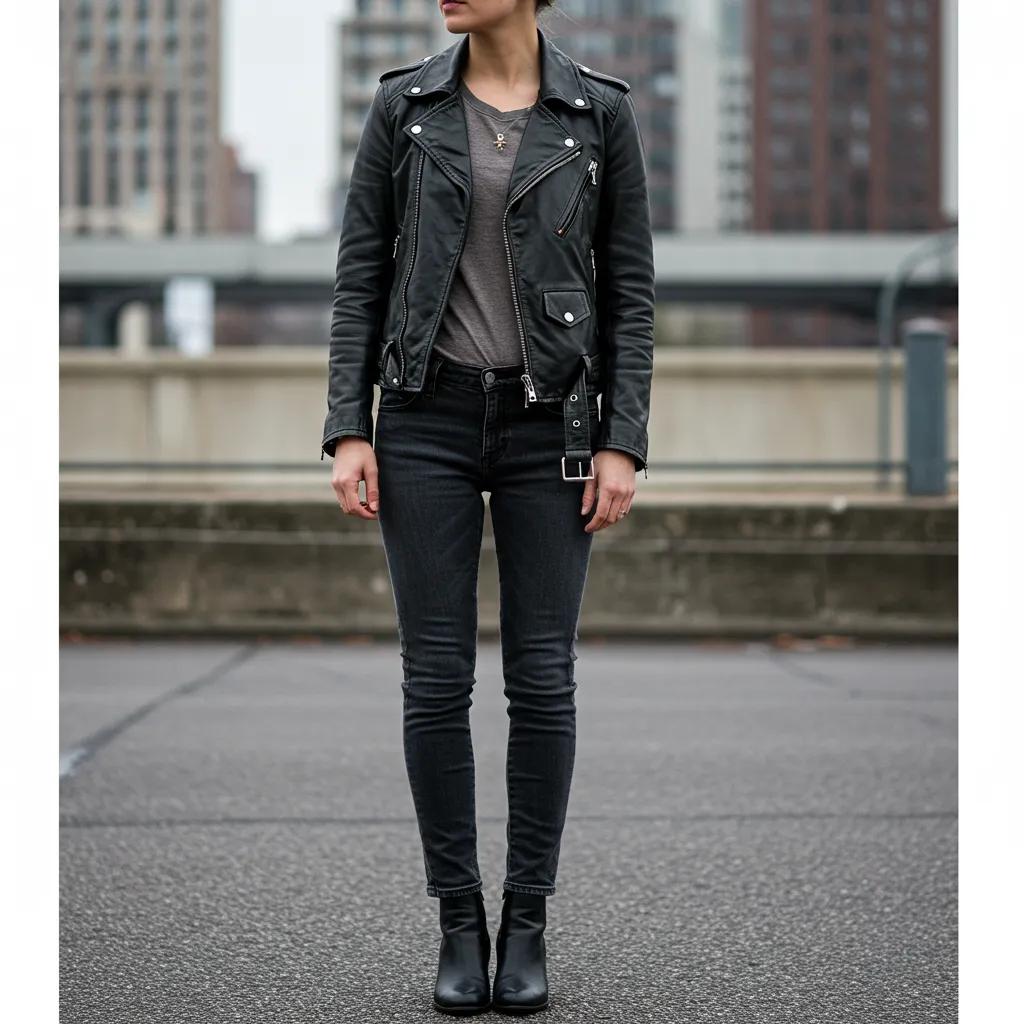
Styling vintage leather is about balance: pair a statement jacket with simple, well-fitted basics so texture and silhouette stand out without competing elements. Contrast is the device—slim cafe racers work with tapered trousers, while boxy bombers suit relaxed jeans and layered knits. Below are outfit templates and accessory ideas that let leather jackets, bags, and belts fit naturally into modern wardrobes while keeping an authentic vintage spirit. These recipes take you from choosing a style to wearing it confidently every day.
- Casual Weekend: Fitted tee, slim jeans, and a vintage biker jacket—practical layering with rugged ease.
- Smart-Casual: Button-up shirt, chinos, and a leather bomber—textural contrast that stays relaxed yet polished.
- Layered Winter: Knitted sweater, wool overcoat, and a leather jacket underneath for warmth and vintage depth.
- Urban Minimal: Monochrome palette, cafe racer, and sleek boots to emphasize clean lines and silhouette.
Outfit Ideas That Complement Vintage Leather Jackets and Accessories
Think of the jacket as the focal point, and build the outfit to echo or balance its character. A distressed brown jacket pairs naturally with earth-toned knits and rugged boots; a black cafe racer shines with crisp shirts and tapered trousers. Mixing textures—denim with nappa lambskin, wool with vegetable-tanned cowhide—adds visual richness. Practical details such as layering for warmth, fit for mobility, and matching hardware color (brass vs. silver) keep the look cohesive and functional. The next section explains how accessories lock in a retro aesthetic through material and hardware choices.
How Leather Bags, Wallets, and Belts Finish a Retro Look
Accessories are the finishing touch that ties a vintage outfit together. Match a tote or satchel’s finish to your jacket for a deliberate set, or contrast textures—smooth lambskin wallet against a distressed jacket—to add interest. Keep hardware consistent: brass gives warm, vintage notes; matte silver reads more modern. Function counts too—belt width, edge finish, and wallet construction affect longevity and daily comfort. Thoughtful accessory choices make an outfit feel curated, not accidental.
Why Choose Custom Leather Jackets for a Vintage Edge?
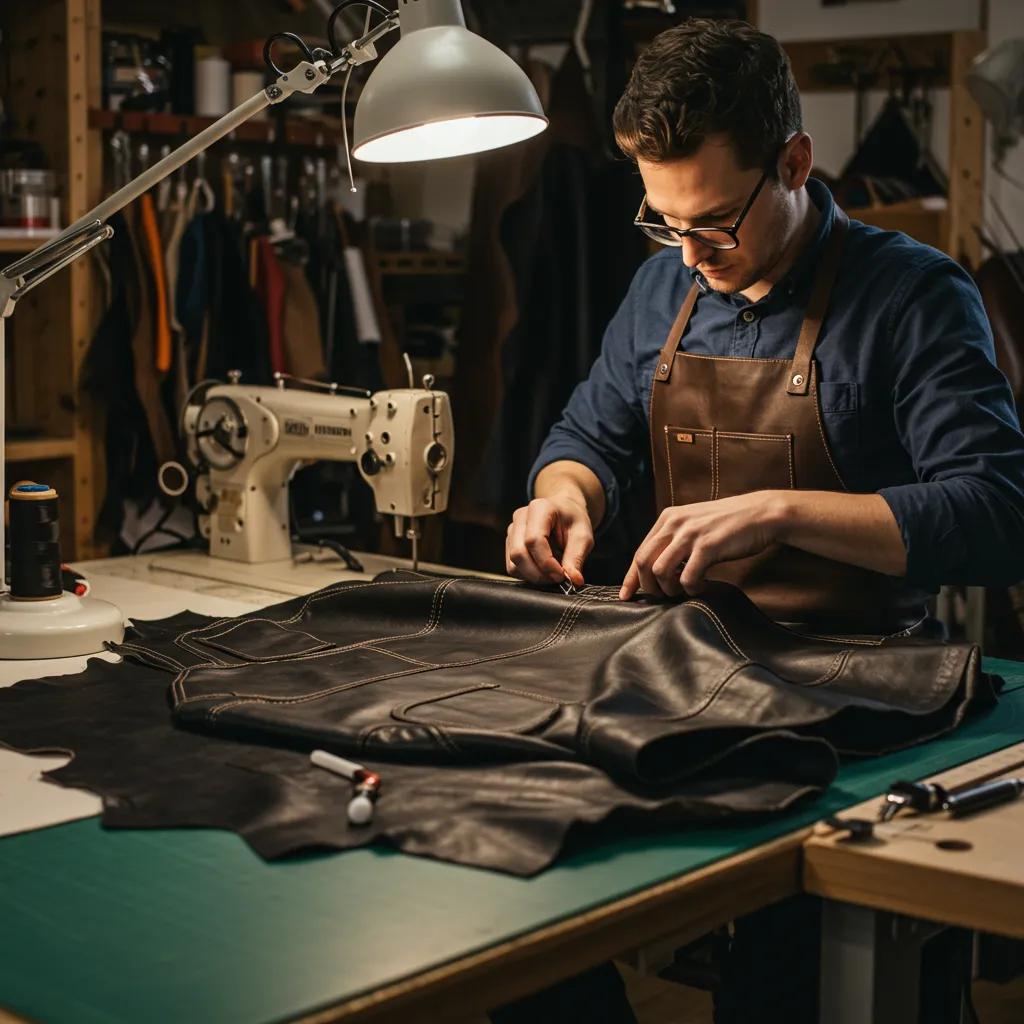
Custom jackets let you blend historic design cues with precise fit and finish—something off-the-rack pieces rarely match. Customization changes both function—fit, reinforcement, lining—and the visual story through stitch density, zipper choice, and surface finish. These options influence lead time and cost, so comparing them up front sets clear expectations before you order. Below is a practical comparison of common customization choices, their stylistic effect, and typical trade-offs to weigh before commissioning a jacket. After that we describe how hand-stitched processes and materials shape the finished vintage look.
| Customization Option | Impact on Style | Typical Trade-offs / Lead Time |
|---|---|---|
| Stitching density & visible hand-stitch | Creates a handcrafted, heritage feel; visible seams add character | More labor and cost; longer production time |
| Zipper type (asymmetrical vs centered) | Asymmetrical zippers define biker silhouettes; centered zips suit cafe racers | Alters wind protection and closure complexity |
| Lining choices (quilted vs lightweight) | Quilted linings add warmth and bulk; lightweight linings preserve a slim profile | Heavier linings increase weight and lead time |
| Finish (distressed vs polished) | Distressed finishes build vintage patina; polished finishes look newer | Distressing requires more hands-on work; finish affects aging |
This comparison helps map choices to appearance and manufacturing considerations, and it leads into a step-by-step look at how a hand-stitched bespoke jacket is made.
How Pakistan Leather Crafts Bespoke, Hand‑Stitched Jackets
Pakistan Leather operates as a manufacturer and exporter focusing on custom, hand-stitched leather garments and accessories, with an emphasis on craftsmanship and material choice. The bespoke workflow starts with a design brief and patterning—silhouette, measurements, finishes—then moves to cutting, hand-stitching panels, installing hardware, and final finishing. Hand stitching boosts seam integrity and allows visible seam treatments that enhance a vintage look. Hide choices—sheep, goat, cow, buffalo—decide texture and aging behavior. Visual evidence such as production photos or short videos is recommended when evaluating bespoke work and helps in wholesale or export discussions.
Best Leather Types and Colors for Personalized Vintage Jackets
Match hide and color to how you’ll wear the jacket. Softer leathers and lighter tones suit slim, fashion-forward cuts; heavier hides and darker shades favor rugged wear and longer life. Lambskin is soft and drapes beautifully for cafe racers and slim bombers; cowhide is sturdy and ideal for biker jackets that need abrasion resistance and a bold patina. Goat leather balances grain and flexibility; buffalo delivers pronounced grain and toughness for utility styles. Color choices—distressed brown, classic black, warm tan—shape how patina develops, so factor maintenance and wear patterns into your decision.
Why Work with Pakistan Leather for Timeless Vintage Styles?
Pakistan Leather is a manufacturer-exporter specializing in premium leather garments and bespoke, hand-stitched production. Their core advantages include skilled hand-stitching, a broad range of hides (sheep, goat, cow, buffalo), and capacity for both individual bespoke pieces and bulk export orders. These strengths suit buyers who want true vintage character with factory-level control over materials and finishes. Below are specific value points and practical next steps for engaging a manufacturer on custom or wholesale work.
- Hand-stitched Craftsmanship: Visible stitchwork strengthens seams and adds heritage appeal.
- Material Variety: Multiple hide options support diverse vintage finishes.
- Wholesale & Export Capability: Factory setup supports single bespoke pieces and bulk orders.
- Customization & Control: Direct collaboration lets you specify finishes, linings, and hardware.
These points highlight manufacturing advantages and lead naturally into quality assurance and wholesale/export services.
How Pakistan Leather Maintains Quality and Hand‑Stitched Standards
Quality for hand-stitched leather relies on skilled craft, careful material selection, and staged inspections during production. Hand-stitching distributes stress across seams for longevity and enables visible seam treatments prized in vintage pieces. Offering sheep, goat, cow, and buffalo hides makes it possible to match leather traits to the intended silhouette and finish. Standardized finishing protocols manage patina development and surface durability. Production imagery or short videos validate workmanship, and structured product data (product and organization schema) improves online transparency for buyers.
Wholesale and Export Services for Vintage Leather
Pakistan Leather can handle bespoke single orders as well as wholesale and export production, making them a practical partner for brands or retailers seeking private-label manufacturing. Typical next steps for wholesale engagement include requesting samples, confirming material and finish options, specifying quantities or private-label details, and discussing lead times and export logistics. Ask about bulk pricing, minimum order quantities, and sample policies—these operational details determine whether the partnership meets your launch or replenishment needs. For international buyers, working with a manufacturer-exporter simplifies quality control and provides direct access to material and finish choices.
How Leather Materials Affect Style and Durability
Leather type and tanning method set the baseline for how a vintage piece looks and ages. Variables—softness, durability, weight, and patina behavior—shape immediate aesthetics and long-term character. Use supple hides for fashion-forward jackets, heavy hides for motorcycle-ready gear, and midweight hides for versatile outerwear. The table below compares common hides by grain and softness, durability, and patina tendencies to guide your selection. After that we cover vegetable tanning and its effect on vintage appearance and lifespan.
| Leather Type | Grain / Softness | Durability / Weight | Patina Behavior |
|---|---|---|---|
| Lambskin | Ultra-soft, fine grain | Lightweight, less abrasion resistance | Subtle, elegant patina over time |
| Cowhide | Coarser grain, firm feel | Heavy, high abrasion resistance | Rugged, contrasting patina with age |
| Goat | Medium grain, flexible | Moderate durability, lighter than cowhide | Even, refined patina that emphasizes grain |
| Buffalo | Pronounced grain, very sturdy | Heavy, highly durable | Textured patina that highlights grain depth |
This overview clarifies which hides suit slim vintage silhouettes versus rugged, long-wearing designs, and sets up the role of tanning in final appearance.
Characteristics of Lambskin, Cowhide, Goat, and Buffalo
Each hide balances comfort, protection, and aging in its own way. Lambskin offers luxurious hand-feel and drape for slim-fitting jackets but trades some abrasion resistance for softness. Cowhide is the durable archetype for biker jackets—heavy, protective, and rewarding with a bold patina. Goat leather sits between those extremes with fine grain and flexibility; buffalo brings pronounced texture and toughness for utility-focused pieces. Choose a hide that matches your style goals, use case, and maintenance willingness.
Vegetable Tanning and Its Effect on Vintage Leather
Vegetable tanning uses plant tannins to produce leather that responds to handling and environment by developing a natural patina and richer color depth. Compared with chrome tanning, vegetable-tanned leather is firmer at first, allowing tooling and finish work, and it ages with mellowing and darkening that enhance vintage character. Care is straightforward—regular cleaning and conditioning preserve suppleness and promote even patina—though vegetable-tanned pieces can be more sensitive to prolonged moisture without a proper finish. For an organic aging process and authentic vintage feel, vegetable tanning is often preferred.
Where to Buy Authentic Vintage Leather Jackets and Accessories
Authentic vintage-style leather is available through several channels, each serving different buyer priorities: direct manufacturers for bespoke and wholesale work, specialty makers for limited runs, retail and resale for immediate finds, and vetted vintage sellers for archival pieces. The right channel depends on whether you value customization, lead time, price, or provenance. The table below compares purchase channels and their strengths, followed by verification steps and buying tips to confirm material authenticity and manufacturing credibility before you commit.
| Purchase Channel | Best for | Value |
|---|---|---|
| Direct Manufacturer | Custom pieces and bulk / wholesale orders | Full control over materials and finishes; export support |
| Custom Makers / Bespoke Studios | One-off tailored designs | Precise fit and unique finishes; higher per-unit cost |
| Retail / Resale | Immediate purchase and ready-to-wear vintage | Quick access; condition and authenticity vary |
| Vetted Vintage Sellers | Historical, archival pieces | True aged patina and provenance; limited sizes |
This comparison helps you decide when to work with a manufacturer versus buying ready-made or true vintage, and it leads into practical verification tips.
How to Find Genuine Custom and Wholesale Vintage Leather Online
Use a verification checklist to find reliable providers: read product descriptions for leather type, tanning method, stitch details, and finishes; ask for close-up photos of stitching and hardware to assess workmanship. For custom and wholesale orders, request material samples, lead-time estimates, and production photos or short videos showing hand-stitching and finishing. Confirm export readiness, minimums, and sample policies to reduce risk and ensure the final goods match expectations.
Benefits of Buying Direct from Manufacturers Like Pakistan Leather
Buying direct offers clear advantages: more customization, transparent pricing for bulk orders, and direct quality control during production. Working with a manufacturer-exporter lets you specify hides—sheep, goat, cow, buffalo—and finishes that achieve the vintage look you want while aligning production with brand requirements. Wholesale buyers benefit from better unit pricing and streamlined export logistics; individual customers can commission hand-stitched bespoke pieces that honor historical designs with modern fit. A practical next step is to request samples, review production imagery, and outline specifications to begin a bespoke or bulk order conversation.
Frequently Asked Questions
What’s the difference between custom leather jackets and off‑the‑rack options?
Custom jackets are tailored to your measurements and design choices—materials, finishes, stitching, and hardware—so they fit and age according to your needs. Off‑the‑rack jackets offer convenience and lower upfront cost but may lack the same fit, material control, and handcrafted detail.
How should I care for my vintage leather jacket?
Keep it simple: wipe dirt with a soft, damp cloth, condition a few times a year with a suitable leather conditioner, and avoid prolonged sun or heavy moisture. If wet, air-dry away from heat. Regular, gentle care helps your jacket develop an attractive patina and prevents drying or cracking.
Why choose vegetable tanning over chrome tanning?
Vegetable tanning uses plant tannins and produces leather that develops a deep, natural patina and rich color over time. It’s firmer at first—good for tooling and finishes—and ideal when you want an organic aging process. It can require a bit more moisture care than chrome-tanned leather, but many prefer its heritage character.
Can vintage leather jackets be altered for a better fit?
Yes—many jackets can be adjusted by a tailor experienced with leather. Common alterations include sleeve length, waist, and hem adjustments. Major changes can affect the jacket’s original lines, so consult a leather-savvy tailor before committing to large modifications.
What should I check when buying a vintage leather jacket online?
Inspect the product description for hide type and tannage, study high-resolution photos of seams and hardware, check the seller’s return policy and reviews, and request extra close-ups if needed. For custom orders, ask for samples and production images to verify workmanship.
How do I choose the right leather type for my lifestyle?
Think about use and maintenance: lambskin for soft, fashion-forward pieces; cowhide for heavy-duty durability and bold patina; goat for balanced flexibility; buffalo for textured toughness. Choose a hide that matches how often and in what conditions you’ll wear the jacket.
Conclusion
Timeless vintage leather is about more than style—it’s a commitment to materials and craft. Knowing the differences between hides, finishes, and silhouettes helps you choose pieces that suit your life and age beautifully. Whether you buy ready-made, commission a bespoke jacket, or source vintage finds, thoughtful choices and proper care will keep your leather looking its best for years. Explore our curated selection of vintage leather jackets and accessories to start building a lasting wardrobe.


