
Top 3 Reasons Musicians Should Invest in a Durable and Stylish Leather Guitar Gig Bag
Musicians who travel and perform need reliable protection that also reflects their professional image, and a well-made leather guitar gig bag answers both demands with lasting value. This article explains the top three reasons to choose a leather gig bag—durability, elevated style, and touring practicality—by unpacking material science, protective features, and real-world touring use. Readers will learn how full-grain and crazy horse leathers behave on the road, which protective systems matter most for acoustic and electric guitars, and why a leather gig bag is a long-term investment when paired with proper care. Practical checklists, manufacturer-focused insights, and comparative EAV tables guide instrument owners and buyers through material selection, padding choices, and travel-ready features. The sections that follow cover durability (materials and patina), how leather elevates stage presence and brand identity, touring-focused ergonomics and hybrid designs, lifecycle ROI and care routines, musician priorities and case examples, a manufacturer credibility section highlighting Pakistan Leather’s verified capabilities, and technical notes on padded leather cases for instrument protection.
Why Is Durability the Most Important Benefit of a Leather Guitar Gig Bag?
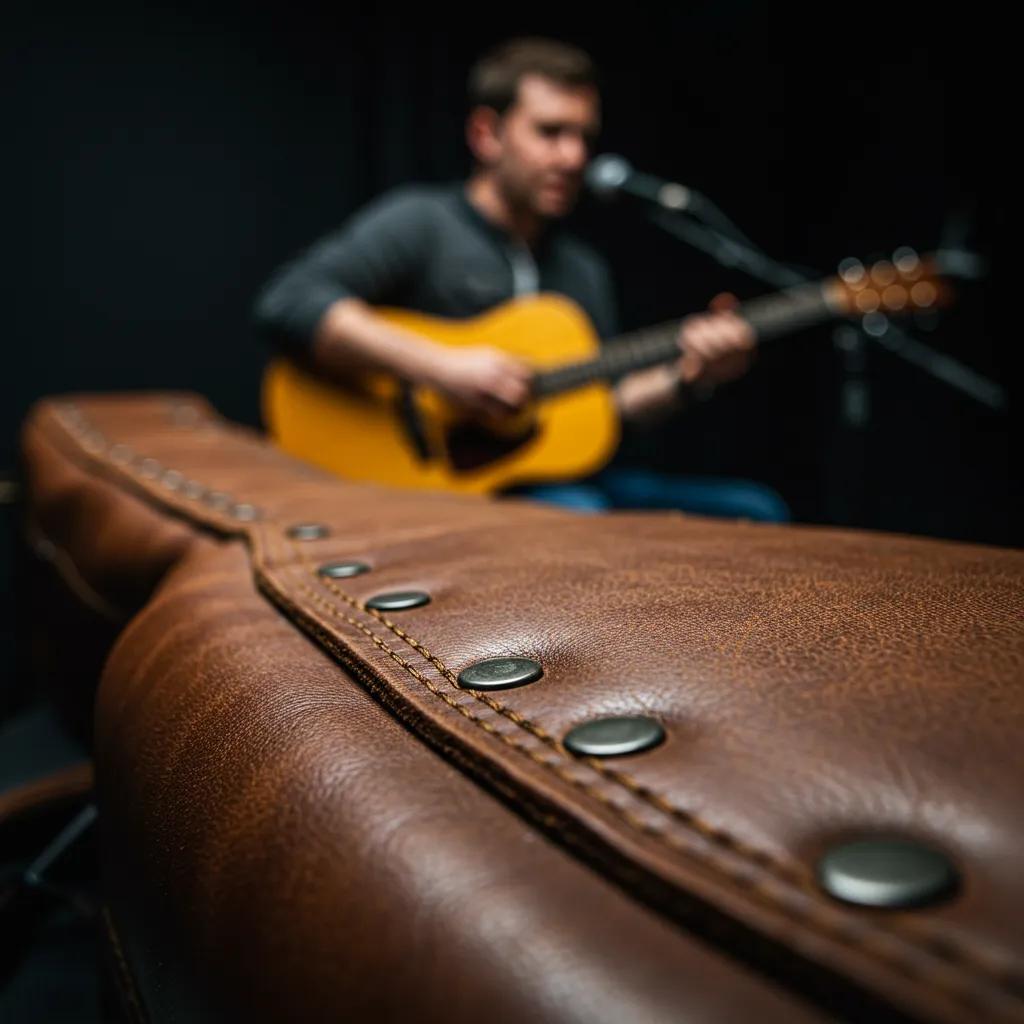
Durability is the primary benefit because a gig bag that resists abrasion, retains structural integrity, and protects an instrument during routine travel prevents costly repairs and downtime. Durable materials and construction reduce seam failure, abrasion through repeated contact, and internal deformation that can stress neck joints; the result is consistent instrument safety over years of use. High-quality leather combined with reinforced seams and appropriate internal padding forms a layered defense that manages both surface wear and impact energy, protecting wood, finish, and electronics. Understanding how specific leathers and construction techniques contribute to longevity helps buyers select a bag that fits their touring profile and risk tolerance.
Leather longevity depends on both material choice and construction methods, so the next subsection compares full-grain and crazy horse leathers and their on-road behaviors to inform material selection.
How Does Full-Grain and Crazy Horse Leather Enhance Gig Bag Longevity?
Full-grain leather preserves the hide’s natural grain and fiber structure, delivering the highest tear and abrasion resistance among common leathers used for instrument cases. This dense fiber matrix makes full-grain leather resistant to punctures and wear, and it also develops a deep, attractive patina as it absorbs oils and light use over time. Crazy horse leather is typically heavier and treated with waxes or oils to create a “pull-up” or distressed look that hides scuffs and emphasizes a rugged vintage aesthetic; its oily finish also helps repel minor surface marks and gives a forgiving appearance for frequent handling. Both leathers benefit from tight, reinforced seams and edge finishing to convert material strength into real-world durability, so material and construction must be chosen together.
Different leather types offer distinct trade-offs in durability, weight, abrasion resistance, and aging behavior to help musicians choose the best material for their use case.
| Leather Type | Key Attribute | Typical Performance |
|---|---|---|
| Full-grain leather | Maximum fiber integrity | High abrasion and tear resistance; develops rich patina |
| Crazy Horse leather | Oiled/waxed finish | Rugged, hides scuffs; pull-up effect creates vintage look |
| Cow leather | Durable midweight | Strong abrasion resistance; good for heavy-duty use |
| Buffalo leather | Thick, coarse grain | Exceptional toughness; heavier but highly abrasion-resistant |
| Goat/sheep leather | Lightweight, supple | Lower abrasion resistance; excellent for slim, lightweight bags |
This table clarifies how leather selection aligns with touring demands, helping readers prioritize weight, appearance, and resistance. The subsequent subsection explains protective design elements—padding, neck support, and reinforcements—that transform leather shells into truly protective gig bags.
What Protective Features Make Leather Gig Bags Ideal for Instrument Safety?
Protective features—right padding density, internal neck rest systems, reinforced heels, and sturdy hardware—convert an attractive leather exterior into an instrument-safe transporter. High-density foam layers absorb impact energy while softer inner liners cradle the instrument to prevent movement and protect delicate finishes; layered padding systems combine open-cell foams for shock absorption with closed-cell foams for structural support. Reinforced stress points and heavy-duty stitching at the heel and neck pocket prevent seam failure under load, and hardware choices (robust zippers, metal D-rings, reinforced handles) ensure longevity through repeated handling. Compared with standard nylon gig bags, leather bags with these features balance abrasion resistance, structural integrity, and a premium finish that sustains appearance through heavy use.
After understanding padding and reinforcement, it helps to consider how leather’s aging—the patina—affects both aesthetics and perceived value over time.
How Do Leather Gig Bags Develop a Unique Patina Over Time?
Patina forms as oils, light abrasion, and UV exposure alter the leather’s surface chemistry and texture, yielding a warm, individualized finish that many musicians prize. This aging process involves oil absorption into the leather fibers, slight surface wear that highlights grain patterns, and oxidation that deepens color; the cumulative effect makes each bag uniquely attractive and signals authentic use rather than premature failure. Proper care—periodic cleaning and targeted conditioning—encourages an even, attractive patina while preventing drying, cracking, or premature discoloration. Musicians who value a lived-in aesthetic find that patina increases a bag’s character and, in some cases, perceived resale desirability, which ties directly to the long-term investment case discussed later.
Understanding patina informs style decisions, which leads naturally to how leather gig bags elevate a musician’s professional image on and offstage.
How Does a Leather Guitar Gig Bag Elevate a Musician’s Style and Professional Image?
A leather gig bag elevates professional image by signaling craftsmanship, attention to detail, and timeless aesthetics that align with many musical genres and performance contexts. Leather’s tactile and visual qualities—grain depth, finish variations, and edge treatments—project a deliberate, quality-conscious identity that can influence audience perception and client impressions during studio sessions or corporate gigs. Customization options such as embossing, color selection, and hardware finishes let musicians align the bag’s look with their personal brand, while handcrafted details like hand-stitched seams reinforce a narrative of artisanal quality. For musicians who rely on visual cues as part of their branding, a leather gig bag is both a practical tool and a mobile brand asset.
The next subsection outlines available customization options that let performers personalize materials, finishes, and functional layout to match their aesthetic and practical needs.
What Customization Options Are Available for Personalized Leather Gig Bags?
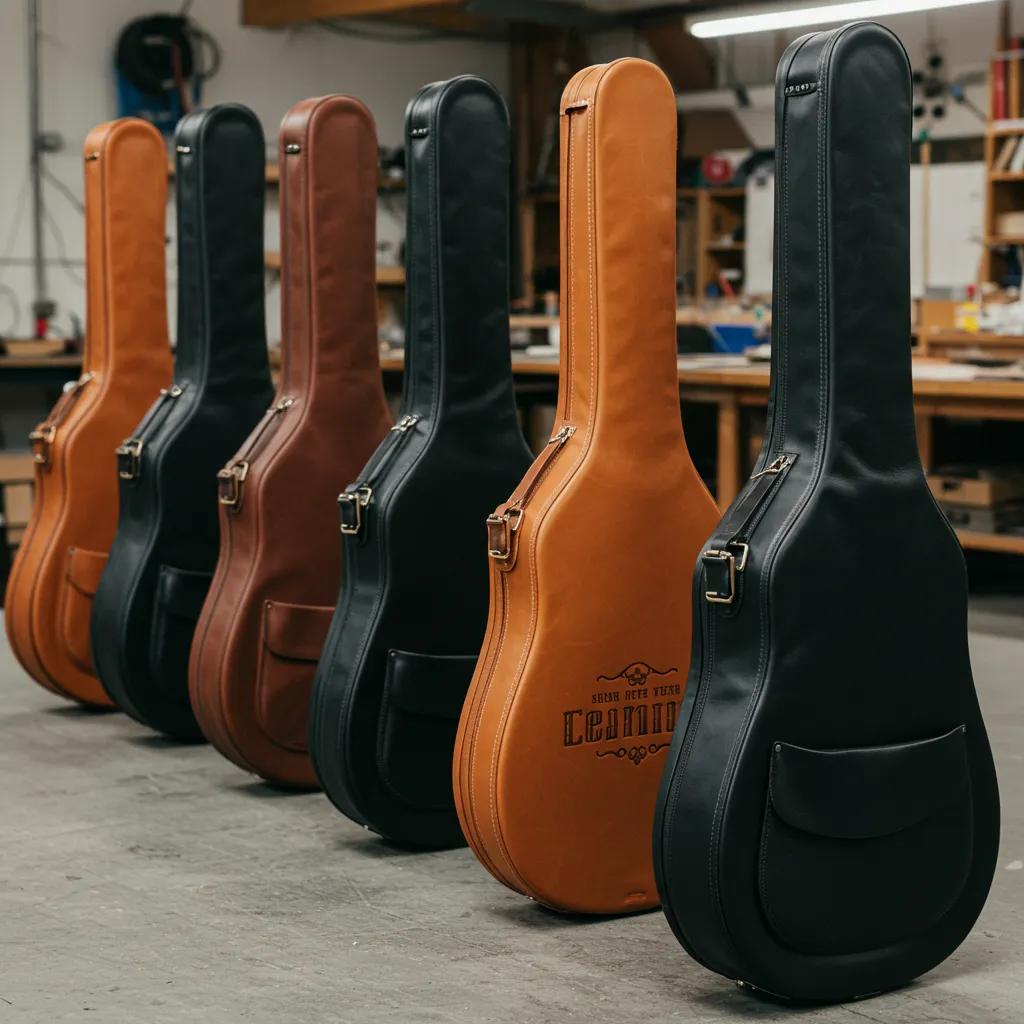
Customization options typically include leather type and color selection, hardware finishes, embossed logos or monograms, and bespoke internal layouts for instruments and accessories. Musicians can prioritize slim profiles and lighter leathers for walking gigs or opt for thicker hides with reinforced heels for heavy touring; choices in brass or matte-black hardware alter stage presentation, and personalized embossing or patches communicate brand identity. For B2B buyers and OEM partnerships, custom manufacturing and finish specifications enable co-branded products and bespoke order runs tailored to an artist’s or retailer’s design brief. Thoughtful customization balances visual intent with protective requirements to ensure the bag both looks and performs as expected.
With customization explained, the following subsection discusses why vintage and luxury leather finishes are favored by touring professionals for both practical and stylistic reasons.
Why Is Vintage and Luxury Leather Style Preferred by Touring Musicians?
Vintage and luxury leather finishes are popular because they retain stage presence while hiding the inevitable scuffs of road life, creating a cohesive aged aesthetic rather than showing patchy wear. Luxury finishes also reflect a musician’s investment in quality gear, which can influence managers, promoters, and endorsement opportunities by signaling professionalism and care. Practically, distressed or oiled finishes reduce the visibility of abrasion and minor impact marks, extending the time a bag looks presentable between maintenance sessions. The fusion of practical concealment and elevated appearance makes vintage-style leather a sensible choice for performers who want both resilience and a signature look.
Having covered style, the next subsection examines how a leather gig bag acts as a portable reflection of a musician’s identity and brand.
How Does a Leather Gig Bag Reflect a Musician’s Identity and Brand?
Design choices—from minimalist, unadorned leather to ornate embossing and colored stitching—communicate genre associations and personal aesthetics that help a musician present a consistent brand identity. A stripped-back, dark leather bag supports genres like indie or jazz with a professional, understated vibe, while ornate tooling or lighter colors can complement folk or Americana personas. Bands and endorsers can use custom branding options to match merchandise and promotional imagery, creating visual coherence across gear, stage visuals, and marketing materials. Selecting a bag that aligns with artistic identity should consider both aesthetic messaging and functional needs to ensure brand decisions do not compromise instrument protection.
Style and branding tie directly into touring practicality, so the next major section explores features that make leather gig bags ideal for touring musicians.
What Practical Features Make Leather Guitar Gig Bags Perfect for Touring Musicians?
Touring musicians need gear that reduces setup time, eases transit fatigue, and protects instruments across varied environments; leather gig bags integrate ergonomic straps, smart storage, and sometimes hybrid protection systems to address those needs. Well-designed strap systems distribute load across shoulders and hips to lower fatigue, while intelligently placed external and internal pockets keep tuners, cables, and small pedals accessible for quick stage changes. Hybrid designs that combine leather exteriors with rigid internal panels add protection for air travel without the bulk of a full hard case, balancing weight and resilience. The following subsections examine ergonomics, storage solutions, and hybrid designs to help touring musicians choose the right feature set.
The first practical element to consider is ergonomics—how strap and carry systems reduce strain during long treks between venues.
How Do Ergonomic Designs and Adjustable Straps Improve Comfort?
Ergonomic designs include adjustable backpack-style straps, padded lumbar or back panels, and well-placed handles to distribute weight and maintain posture during long carries. Adjustable straps allow musicians to position the instrument close to the body, reducing torque on the shoulders and minimizing sway while walking through crowded venues or transit hubs. Padded backing and reinforced strap anchoring points prevent pressure hotspots that cause discomfort over extended periods; stable strap mounts also reduce stress on bag seams. A compact ergonomics checklist—adjustability, padding thickness, anchor reinforcement, and quick-release options—helps touring musicians evaluate real-world comfort before purchase.
Comfort considerations naturally lead to evaluating storage and organization features that speed setup and protect accessories during tours.
What Smart Storage Solutions Do Leather Gig Bags Offer for Accessories?
Smart storage involves external quick-access pockets for picks, tuners, and set lists, padded internal pockets for pedals or fragile accessories, and organized cable compartments that prevent tangles and save setup time. Exterior pockets sized for sheet music or small devices make stage transitions faster, while internal modular compartments secure pedals, power supplies, or straps to prevent internal shifting. Some designs include removable organizers that let electric players carry pedals separately while acoustic players prioritize spare strings and capos in compact pockets. Thoughtful pocket placement also reduces stress on zippers and seams, improving the bag’s long-term durability while keeping essentials at hand.
After storage, hybrid protection options—combining leather aesthetics with rigid panels—address scenarios where higher impact resistance is needed without the full weight of a hard case.
How Do Hybrid Leather Gig Bag and Hard Case Designs Enhance Protection?
Hybrid designs integrate rigid panels or molded shells within a leather exterior to provide localized structural protection—especially around the headstock, heel, and body edges—while maintaining a slimmer overall profile than full hard cases. These hybrids use layered padding strategies where rigid inserts absorb high-impact loads and foam layers disperse remaining energy, balancing weight and protection for airport or road-case handling. The trade-off is slightly increased weight compared with soft gig bags but significantly improved impact resistance, making hybrids suitable for musicians who alternate between local gigs and occasional checked travel. Selecting a hybrid configuration depends on a musician’s travel frequency and acceptable weight-to-protection ratio.
With touring features covered, the next section presents the long-term investment rationale and lifecycle considerations for leather gig bags.
Why Is Investing in a Leather Guitar Gig Bag a Smart Long-Term Decision for Musicians?
Yes — investing in a quality leather gig bag is often a smart long-term decision because superior materials and construction extend usable life, reduce replacement frequency, and can enhance resale or brand value through patina and sustained appearance. Durable leathers combined with reinforced stitching and repairable hand-stitched seams allow targeted maintenance that keeps a bag serviceable for years, improving cost-per-year compared to cheaper replacements. Leather’s patina can increase perceived value and desirability, while straightforward maintenance routines—cleaning, conditioning, and proper storage—preserve structural integrity and function. The EAV table below summarizes lifecycle attributes to help musicians weigh initial cost against longevity and maintenance.
The following lifecycle comparison clarifies where initial investment pays off over time and why maintenance routines matter.
| Lifecycle Aspect | Attribute | Typical Outcome |
|---|---|---|
| Initial cost vs. longevity | Upfront investment | Higher initial cost, lower replacement frequency |
| Longevity (years) | Expected service life | Multi-year durability with periodic maintenance |
| Maintenance needs | Frequency & tasks | Regular cleaning/conditioning prevents cracking |
| Resale / brand value | Patina and condition | Well-maintained patina can raise perceived value |
This lifecycle table shows that maintenance and material choice directly influence long-term value and cost-effectiveness. The next subsection gives actionable maintenance steps to maximize lifespan.
How Does Proper Leather Care Extend the Life of Your Gig Bag?
Proper leather care extends lifespan through routine cleaning to remove dirt and salt buildup, periodic conditioning to replenish natural oils, and controlled storage to prevent deformation and moisture damage. A practical care routine includes wiping down after gigs, conditioning with a neutral leather balm every few months depending on use, and storing the bag in a cool, dry place with a padded support to maintain shape. Seasonal checks for seam integrity and hardware function catch small issues before they become failures, and targeted repairs at stress points preserve long-term performance. Following these steps turns maintenance into a small ongoing investment that significantly extends useful life.
Understanding care clarifies the comparison to hard cases — the next subsection weighs leather gig bags against hard-shell alternatives.
What Makes Leather Gig Bags a Better Investment Compared to Hard Cases?
Leather gig bags typically offer a better investment for daily commuters because they are lighter, more portable, and present a premium appearance while still providing solid protection for routine handling. Hard cases excel in extreme-impact scenarios like checked airline baggage, but for musicians who move frequently between venues on foot or in cars, the reduced weight and flexibility of a leather bag improve logistics and reduce fatigue. Resale and brand impact also favor leather when patina and craftsmanship add perceived value, whereas hard cases often show utilitarian wear rather than character. Choosing between the two depends on primary use: daily portability and image favor leather; maximum impact resistance for air travel favors hard shells.
Patina is a central factor in leather’s value proposition, and the next subsection revisits how it enhances character and desirability.
How Does the Patina Add Value and Character to Your Leather Gig Bag?
Patina signals authentic use, craft, and longevity; well-managed patina highlights grain and color depth while reflecting the owner’s story, which many collectors and musicians find desirable. Allowing controlled patina—through regular, minimal conditioning and avoidance of aggressive polishing—preserves the leather’s natural aging while preventing damage. A tasteful patina can differentiate a bag in resale markets or artist showcases, signaling that the instrument’s caretaker values longevity and craftsmanship. Balancing care and natural aging ensures the bag gains character without compromising protective performance.
Next we present perspectives from professional musicians that highlight prioritized features and real-world benefits.
What Do Professional Musicians Say About Using Leather Guitar Gig Bags?
Professional musicians typically report that protection, comfort, and style rank as their top priorities when selecting gig bags, with reliability on the road being the ultimate test of a design. Musicians note that well-distributed straps and quick-access storage speed stage setups, while durable exteriors reduce instrument wear and lower anxiety about transit damage. Real-world benefit summaries emphasize fewer repairs, faster load-ins, and consistent stage presentation, which collectively support touring routines and brand image. The next subsection links these priorities to concrete benefits observed by touring players, and introduces how custom manufacturing and hand-stitched construction support those outcomes.
The following subsection describes how custom, hand-stitched solutions have benefited touring players in practical ways, consistent with manufacturer capabilities.
How Have Touring Musicians Benefited from Pakistan Leather’s Custom Gig Bags?
Touring musicians benefit from custom-fit gig bags through tailored internal layouts that secure specific instrument shapes, minimizing internal movement and reducing stress on neck joints during transit. Hand-stitched construction supports reinforced seams at stress points, allowing targeted repairs and longer service life—qualities touring musicians value for reliability on the road. Pakistan Leather is a manufacturer and exporter known for custom manufacturing and hand-stitched products using diverse leather types; these capabilities enable bespoke solutions that match a musician’s instrument, aesthetic, and functional needs. Custom manufacturing reduces compromise between protection and appearance, making tailored gig bags a practical option for professionals.
Having seen custom benefits, the next subsection ranks which features musicians prioritize when choosing a leather gig bag.
What Features Do Musicians Prioritize When Choosing a Leather Gig Bag?
Musicians typically prioritize protection and fit first, followed by comfort (ergonomics), storage organization, and finally aesthetics and customization options that align with personal branding. Protection features such as neck rests, reinforced heels, and adequate padding are non-negotiable for those who cannot risk instrument damage, while ergonomic straps and well-anchored handles reduce fatigue during long carries. Storage and quick-access pockets speed setups and reduce the chance of lost accessories, and aesthetic choices finalize a musician’s presentation onstage. A short buying checklist helps readers translate these priorities into actionable selection criteria.
Musicians also need gear that supports travel and performance workflows, which the next subsection illustrates through common scenarios and tips.
How Do Leather Gig Bags Support Musicians’ Travel and Performance Needs?
Leather gig bags support travel and performance needs by combining durable exteriors with organized storage that keeps essential items accessible for quick set changes and by offering ergonomic features that reduce carry fatigue between venues. For airport transitions, hybrid-reinforced designs protect instruments during rough handling while still allowing a manageable carry weight for road crews. In-studio or backstage, quick-access pockets for tuners and picks reduce downtime, and a tidy internal arrangement prevents cables from damaging finishes. These real-world scenarios show how design decisions translate into tangible time savings and reduced instrument wear.
The next manufacturer-focused section highlights verified craftsmanship attributes and how they translate to product credibility.
How Does Pakistan Leather’s Craftsmanship Set Its Leather Guitar Gig Bags Apart?
Pakistan Leather is an e-commerce and lead-generation business based in Lahore, Punjab, Pakistan, operating as a manufacturer and exporter specializing in premium leather garments and goods; the company offers custom manufacturing, hand-stitched products, and supplies diverse leather types. These verified capabilities—hand-stitched construction, custom manufacturing, and access to multiple leather types—provide a credible foundation for producing gig bags that balance protection, aesthetic choice, and tailored specifications. Hand-stitched seams and bespoke interior layouts enable targeted reinforcement and fit solutions that support touring reliability, while domestic access to cow, buffalo, goat, and sheep leathers allows specification flexibility. For buyers seeking B2B OEM or custom B2C orders, these manufacturer strengths offer practical pathways to bespoke instrument transport solutions.
Following this manufacturer overview, the next subsection explains why hand-stitched construction matters for long-term quality and repairability.
What Makes Hand-Stitched Leather Gig Bags Superior in Quality?
Hand-stitched seams allow craftsmen to control stitch tension and placement precisely, producing tighter, more flexible seams that better resist concentrated loads at stress points like handles and neck pockets. This method facilitates easier targeted repairs compared to machine-only seams because individual stitches can be replaced without dismantling entire panels, extending service life for touring musicians. Hand-stitching also often uses heavier, waxed threads that withstand abrasion and moisture exposure better than lighter threads, improving seam durability. These construction choices translate material toughness into reliable, maintainable products that perform under repeated real-world use.
The following subsection maps the leather types Pakistan Leather supplies to musician needs, using an EAV comparison table as planned.
How Does Pakistan Leather Use Diverse Leather Types to Meet Musician Needs?
| Leather Type | Characteristic | Practical Value for Musicians |
|---|---|---|
| Sheep leather | Lightweight, supple | Ideal for slim, carry-on style gig bags; comfortable but less abrasion-resistant |
| Goat leather | Flexible, moderate strength | Good for fitted interiors and fine grain finishes; balances weight and durability |
| Cow leather | Midweight, durable | Strong abrasion and tear resistance; suited for touring and heavy use |
| Buffalo leather | Thick, coarse grain | Exceptional toughness for rugged use; best when maximum abrasion resistance is required |
This EAV mapping helps musicians prioritize leather selection based on weight, durability, and desired finish. The next subsection outlines Pakistan Leather’s customization services in factual terms to guide buyers seeking bespoke solutions.
What Custom Manufacturing Options Does Pakistan Leather Offer for Gig Bags?
Pakistan Leather offers custom manufacturing services for leather goods that include color and leather selection, bespoke internal layouts, and hand-stitched construction for tailored durability and appearance. These services enable brand-aligned finishes, OEM partnerships, and internal configurations optimized for acoustic, electric, or bass instruments. Buyers can specify functional features—pocket layouts, padding strategies, and hardware finishes—so that each bag meets the specific protective and aesthetic requirements of an artist or retailer. Interested B2B or B2C customers are encouraged to request a quote or inquire about custom options directly through Pakistan Leather’s official channels.
With manufacturer capabilities covered, the final major section explains technical benefits of padding, moisture resistance, and reinforcements for instrument protection.
What Are the Key Benefits of Padded Leather Guitar Cases for Instrument Protection?
Padded leather cases protect instruments by absorbing and dispersing impact energy, stabilizing internal fit to prevent movement, and guarding finishes from abrasion and moisture exposure. Layered padding strategies combine foam densities and structural inserts to manage varying risk levels—from daily commute bumps to occasional rougher transit—while leather exteriors provide abrasion resistance and visual resilience. Moisture resistance and breathable linings mitigate wood warping and electronics corrosion, and reinforced stitching and neck rest systems secure the instrument under impacts. The subsections below break down padding mechanics, moisture concerns, and structural reinforcement tactics to guide buyers toward effective protection strategies.
First, an explanation of how padding types and layers mitigate impact forces during transit.
How Does Padding Absorb Impact and Prevent Damage During Travel?
Padding absorbs impact by converting kinetic energy into compressive deformation, with higher-density foams offering better energy absorption for high-impact events while lower-density layers provide cushioning and comfort. Layered systems—an external structural insert, intermediate closed-cell foam for shock distribution, and softer open-cell foam for cradle cushioning—work together to reduce transmitted forces to critical points like the neck and headstock. Neck rest systems immobilize the instrument’s headstock to prevent torsion during drops, while contoured internal supports reduce point-loading on fragile areas. Selecting appropriate foam types and layer thickness depends on travel risk: thicker, denser layers for air travel; lighter, lower-density padding for daily carry.
Next, moisture resistance: why it matters and how leather treatments and linings help.
Why Is Moisture Resistance Critical for Leather Gig Bags?
Moisture is critical because wood instruments are hygroscopic—exposure to humidity changes can warp necks and soundboards, while electronics and metal parts can corrode; a bag that limits moisture swings protects instrument stability. Leather naturally breathes, so moisture management relies on treated surfaces, water-resistant coatings at seams, and breathable yet protective interior linings that wick moisture away from contact areas. Sealed zippers and flap covers reduce direct water ingress in wet weather, and desiccant use or humidity-control packs inside the bag helps stabilize conditions during travel. Prioritizing moisture resistance in both exterior treatment and interior materials is essential for protecting instrument longevity.
Finally, structural reinforcement and neck rest systems: how they improve safety and inspection tips for buyers.
How Do Reinforced Stitching and Neck Rest Systems Improve Safety?
Reinforced stitching concentrates durable thread and backing material at stress points—handles, strap anchors, and heel pockets—preventing seam failure and reducing the risk of sudden detachment during handling. Neck rest systems cradle the instrument at the headstock and heel, removing strain from the neck joint during impacts and preventing headstock stress fractures that can occur when a guitar shifts inside an unstructured bag. Buyers should inspect stitching density, thread type, and anchor reinforcements, and test fit with the instrument to ensure minimal internal movement. Regular inspection of seams and reinforcements allows early detection of wear that can be repaired before failure occurs.
This last technical detail completes the article content coverage required by the topical map and technical EAV comparisons. The content above balances material science, practical touring advice, stylistic and branding benefits, and verified manufacturer capabilities to help musicians make an informed investment in a leather guitar gig bag.


